DOHA, March 2, 2026, 23:20 (GMT+3)
- Drone attacks struck Ras Laffan and Mesaieed, forcing QatarEnergy to suspend LNG production, according to officials.
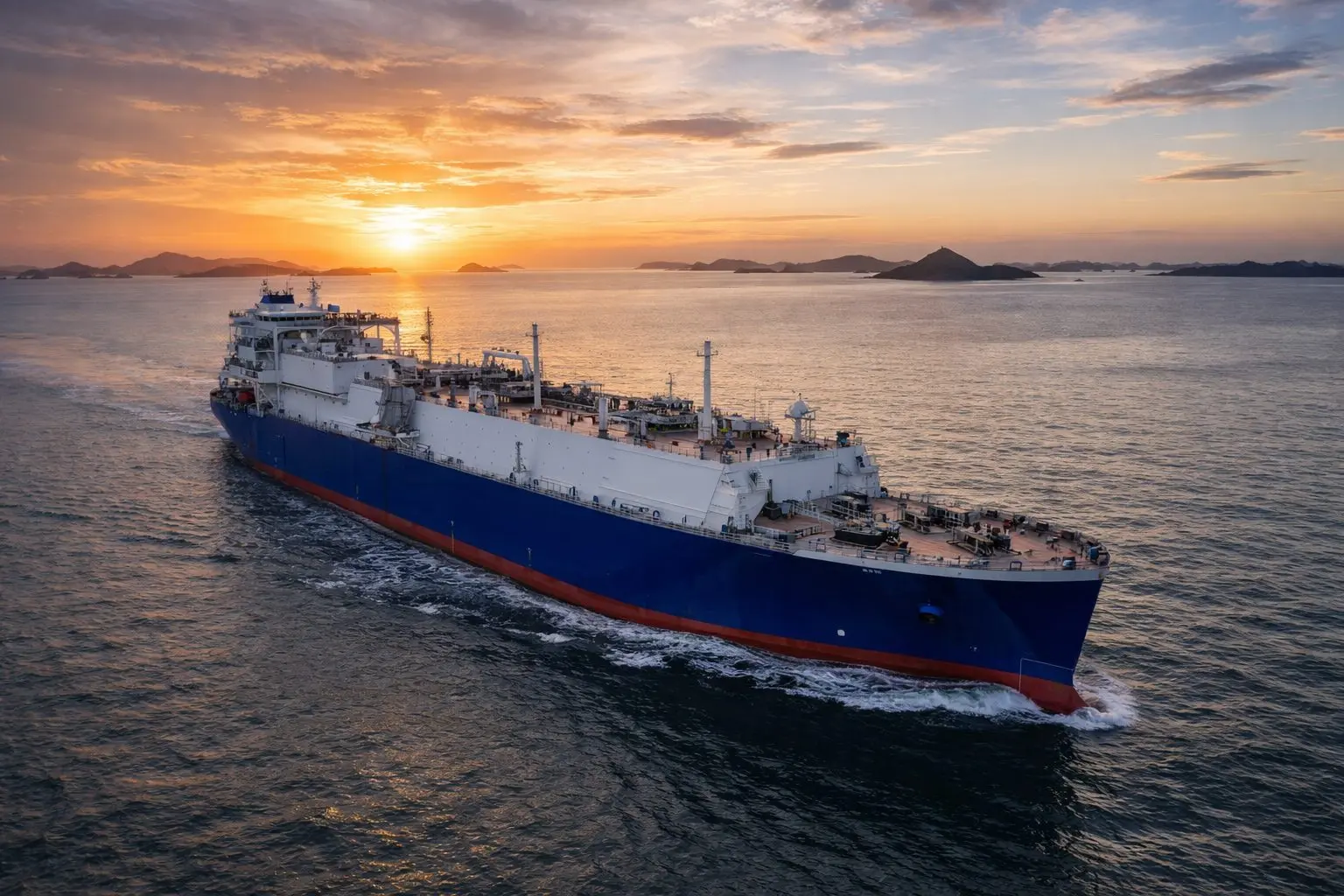
- Tankers gathered around the Strait of Hormuz, with insurers yanking war-risk cover and freight rates ratcheting higher.
- Analysts say if the disruption drags on, Brent could top $100 again, and gas flows to Europe and Asia may tighten.
QatarEnergy stopped producing liquefied natural gas after Iranian drones hit the Ras Laffan and Mesaieed sites, the company and Qatari officials said.
Qatar’s LNG system underpins the world’s gas trade, and every shipment relies on passage through the Strait of Hormuz—a chokepoint now facing even more strain as the conflict expands.
The timing coincides with ships and insurers taking another look at the viability of Gulf transits. War-risk insurance—coverage that protects against conflict-related losses—is getting pulled or seeing higher premiums, piling more pressure on a market that was already running thin.
Qatar’s defence ministry reported that two drones from Iran struck a water tank at the Mesaieed Power Plant and hit a power facility in Ras Laffan Industrial City. No human casualties, according to the ministry. Officials said damage evaluations are underway, with more information to follow.
European gas prices surged following the halt. Dutch day-ahead gas, the main next-day delivery barometer, shot up 41% to around 45 euros per megawatt hour. Over in the UK, day-ahead gas added about 40%, climbing to 110 pence per therm, according to the Guardian.
Traffic through the Strait of Hormuz has dropped off steeply, with tankers stacking up at anchor and costs ticking higher. Reuters said about 150 ships are stuck near the strait; five tankers have taken damage, and two people are dead. “A de facto close of the Strait of Hormuz” is how marine war-risk specialist Munro Anderson put it. https://www.reuters.com/business/energy/ir…
Marine insurers Gard, Skuld, NorthStandard, the London P&I Club, and the American Club have announced that war-risk cover will be canceled starting March 5, per notices posted March 1 on their sites. Shipbrokers now see spot rates for very large crude carriers running Middle East to China at a minimum of $12 million. LSEG’s Emril Jamil said rates were “rising exponentially” ahead of the attacks. https://www.reuters.com/world/middle-east/…
Everything depends on how long the disruption stretches out and whether tankers get moving again. Citi expects Brent to hold in the $80-to-$90 range over the next week, but says a drop to $70 is plausible if tensions subside. Wood Mackenzie, looking the other way, says oil could break above $100 should shipments stay stuck. Macquarie’s Vikas Dwivedi figures the world can stomach a closure for a week, maybe two. Once the third week hits, though, he warns the fallout “would escalate rapidly.” https://www.reuters.com/business/energy/oi…
According to Vortexa, about 20% of global LNG supply moves through the Strait of Hormuz, with over 90% of Qatar’s LNG exports relying on that route—a situation that puts Asian importers right in the firing line. “There’s no spare capacity in the LNG market, so the disruption could be immediate and immense,” said Claire Jungman, Vortexa’s director of maritime risk and intelligence. Jungman also pointed out that European Union storage levels are 35% under the five-year average. https://www.reuters.com/business/energy/as…
Qatar shipped 80.97 million metric tons of LNG in 2025, and Reuters says the Gulf producer has its sights set on boosting annual output to 142 million tons by 2030—up from the current 77 million. Most of that LNG, traders say, is already locked up in long-term contracts, so only a small portion is available for spot market deals if things get tight.
Energy facilities across the region have come under fire. Saudi Aramco halted some units at its Ras Tanura refinery—capable of processing 550,000 barrels a day—after a drone hit, taking no chances, according to Reuters. Israel’s Leviathan and Tamar gas fields shut down, and Iraqi Kurdistan producers also pulled output. Torbjorn Soltvedt of Verisk Maplecroft described the attack on Ras Tanura as “a significant escalation” for Gulf energy infrastructure. https://www.reuters.com/business/energy/sa…
Shipping and trading desks began halting cargoes at Hormuz even ahead of the Qatar shutdown. Hapag-Lloyd halted all vessel transits through the strait. CMA CGM told ships in the Gulf or en route to shelter in place, Reuters said. Kpler analyst Laura Page counted 14 LNG tankers that either slowed down, changed course, or stopped around the area.
European officials have their eyes on the gas fallout. The EU’s gas coordination group is set to convene Wednesday to gauge the situation. Maksim Sonin, an energy expert at Stanford University, told Al Jazeera he sees turbulence ahead but doesn’t expect a repeat of the 2022 gas crisis in Europe. However, Sonin noted, if infrastructure takes more hits, market pressure will escalate.