
KARRATHA, Australia, March 6, 2026, 17:20 AWST
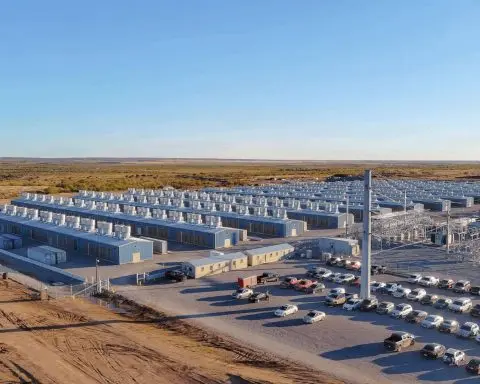
Rio Tinto plc and Western Australia’s government on Wednesday unveiled a 50:50 partnership to bring both phases of the A$1.1 billion Dampier Seawater Desalination Plant across the finish line. Once up and running, the facility is expected to deliver 8 billion litres annually to the West Pilbara Water Supply Scheme. Rio will handle plant operations.
Timing is key here. Rio points to years of weak rainfall and streamflow across the west Pilbara, which has squeezed recharge into the Bungaroo and Millstream aquifers. Those sources are critical for water supplies to towns, ports, and mines throughout the region.
This isn’t just a side note for Rio’s bottom line. In annual results out Feb. 19, Chief Executive Simon Trott highlighted “record iron ore production since April” out of Pilbara, and the company posted $10.9 billion in underlying earnings for 2025. Rio Tinto
The company says Stage 1 is already being built and should kick off with 4 billion litres in output beginning 2026. Work on Stage 2 is underway as well, slated to deliver initial water in 2027 and push total capacity up twofold.
The state pledged A$606 million for the project, expected to provide drinking water to over 10,000 homes across Karratha, Wickham, Roebourne and Point Samson. Industrial zones at Cape Lambert and the Burrup Peninsula are also set to benefit. Premier Roger Cook called the funding a move that would bring “billions of litres of water to local households and businesses.” Western Australian Government
Matthew Holcz, chief executive of Rio Tinto Iron Ore, called water “a scarce resource” in the Pilbara. The first phase, he said, will reduce Rio’s reliance on the Bungaroo aquifer—a water source he emphasized holds great significance for the Robe River Kuruma People. Rio Tinto
Rio and the state want the plant to pull less water from both Bungaroo and Millstream, aiming to safeguard key environmental and cultural areas. Water Corporation plans to continue working alongside Traditional Owners as the project moves forward.
Rio’s outlay comes as both it and BHP Group continue to rely on the Pilbara, despite stepping up efforts in copper. The two rivals in January struck a deal to jointly develop neighboring deposits there, aiming to mine as much as 200 million metric tons of iron ore—a move underscoring just how vital the Pilbara still is for each miner.
The fix isn’t coming overnight. Water Minister Don Punch pointed to shrinking rainfall, saying it’s tightening the squeeze on both surface and underground supplies. That means if the dry stretch drags on—or if construction hits a snag—the region’s move away from the aquifers could get pushed back.
Related articles: Stock Market