
Long Beach, California, May 11, 2026, 04:02 PDT
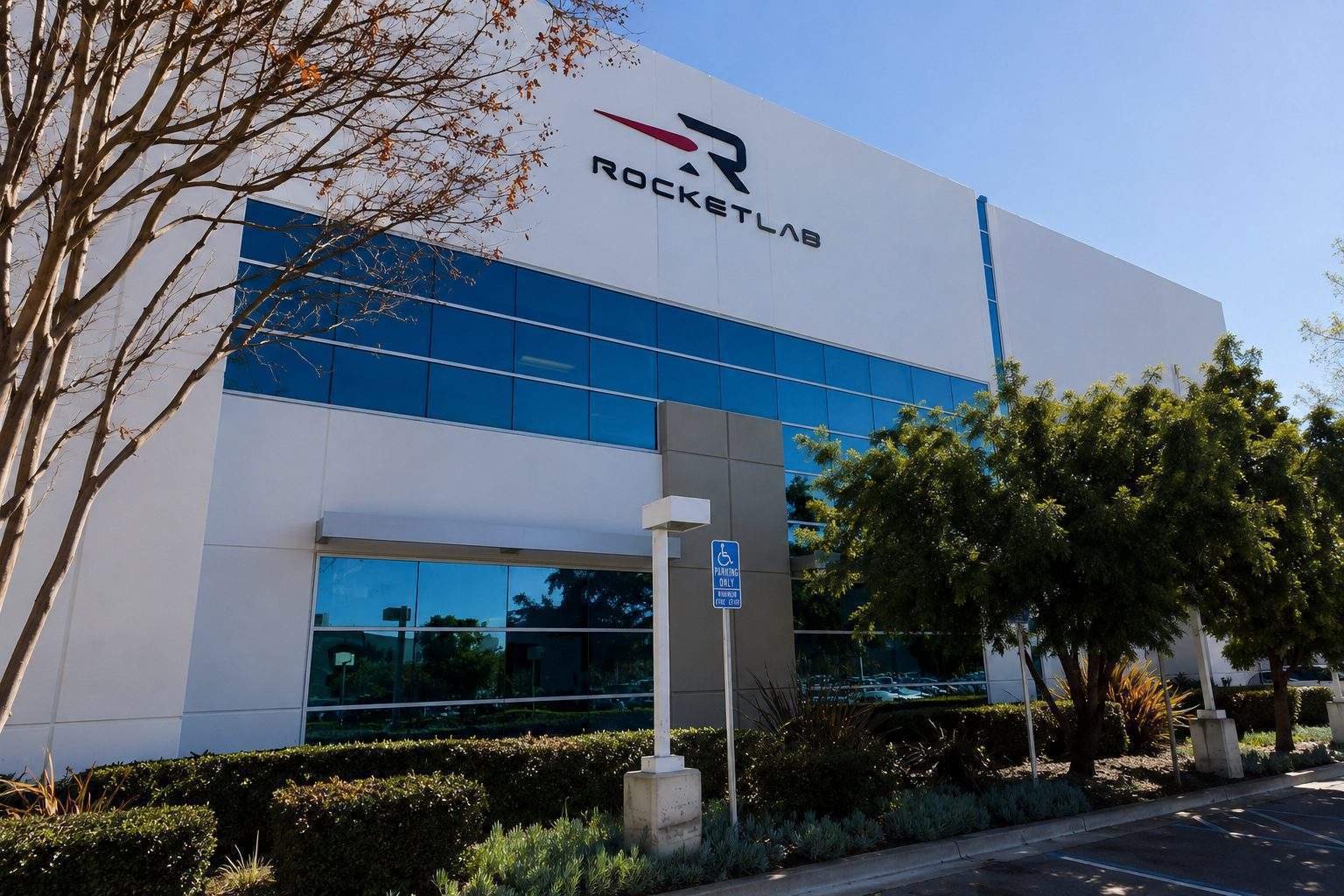
Rocket Lab stock shot up 34.3% on Friday, hitting a record $105.55 as investors reacted to the company’s strongest-ever first-quarter revenue and a swelling launch backlog. That rally happened ahead of Monday’s normal U.S. session.
This shift comes as Rocket Lab pushes to shed its image as just a small-launch outfit. The Long Beach company reported a 63.5% jump in revenue year-over-year, hitting $200.3 million. Backlog is now at $2.2 billion. For the second quarter, sales are projected to climb again, landing somewhere between $225 million and $240 million.
The order book’s quickly taking center stage here. Rocket Lab reported 31 new Electron and HASTE launch deals this quarter, along with five dedicated Neutron missions—lifting its manifest to more than 70 contracted flights. HASTE, a suborbital Electron variant, targets hypersonic testing at Mach 5 or higher.
The biggest new contract comes from an undisclosed client, locking in five Neutron launches and three Electron flights between 2026 and 2029. CEO Sir Peter Beck called it proof that “space industry needs more launch capacity”—a direct appeal as customers continue sizing up options alongside SpaceX’s Falcon 9. GlobeNewswire
Defense contracts are now a key pillar for Rocket Lab. The company landed a $30 million deal with Anduril Industries, which picked Rocket Lab’s HASTE vehicle to run three hypersonic test launches out of Virginia. First flight’s slated to happen inside a year. “One of the most complex problems in defense,” is how Anduril’s engineering chief Gokul Subramanian described hypersonics. GlobeNewswire
According to Aviation Week, Anduril’s tests are backed by its own funding and connected to a hypersonic vehicle project underway inside the company. On Rocket Lab’s earnings call, Beck put the earliest possible launch in November 2026, but he stopped short of sharing further details about the mission.
Rocket Lab said it’s teaming up with Raytheon for a U.S. Space Force project focused on space-based interceptor demonstrations—missile-defense tech meant to counter hypersonic and maneuvering threats. Brad Clevenger, Rocket Lab USA’s president, called the next wave of missile defense a “national security priority.” GlobeNewswire
Rocket Lab isn’t just building—it’s buying too. The company struck an agreement to acquire Motiv Space Systems, a California firm known for its space robotics and precision hardware, including solar array drive assemblies. Tight supplies of these parts can stall satellite production. Closing is slated for the second quarter.
It wasn’t just the revenue numbers driving Wall Street’s response. According to MarketBeat, TD Cowen bumped its price target up to $120 from $90, sticking to a buy rating. Craig-Hallum, for its part, shifted to a buy as well, setting a $98 target. Still, MarketBeat’s consensus target stood at $90—lower than where the stock closed on Friday. That gap highlights how quickly shares have outpaced certain analyst projections.
There’s a caveat here—Rocket Lab is still running at a loss, posting a $45.0 million net loss for the first quarter. Looking ahead, management expects an adjusted EBITDA loss between $20 million and $26 million in the second quarter. (Adjusted EBITDA, for the record, takes out interest, taxes, depreciation, amortization, and some other charges.) In its own filings, the company flags that delays or hiccups with Neutron could dent customer confidence, squeeze future revenue, or put liquidity at risk.
Neutron is the wild card here. Rocket Lab maintains that its medium-lift rocket should still fly for the first time later this year, though the company’s 10-Q flagged the usual risks—anything from engineering to testing or infrastructure could still slow things down.
Investors are leaning into backlog, defense contracts, and a more straightforward growth story right now. CFO Adam Spice put it out there: roughly 36% of the $2.2 billion backlog is expected to hit revenue in the coming 12 months. CEO Peter Beck, for his part, told investors the company remains “on track to beat last year’s launch record.” fool.com
Related articles: NASDAQ:RKLB