
New York, May 8, 2026, 13:11 EDT
- Sandisk shares bounced Friday, recovering from Thursday’s drop that was sparked by worries about near-term NAND demand.
- A familiar thesis drove the bounce: AI memory supply is still tight, and the company’s latest guidance stays well above last year’s numbers.
- A sharp run-up in memory chip prices could fizzle out sooner than investors are betting.
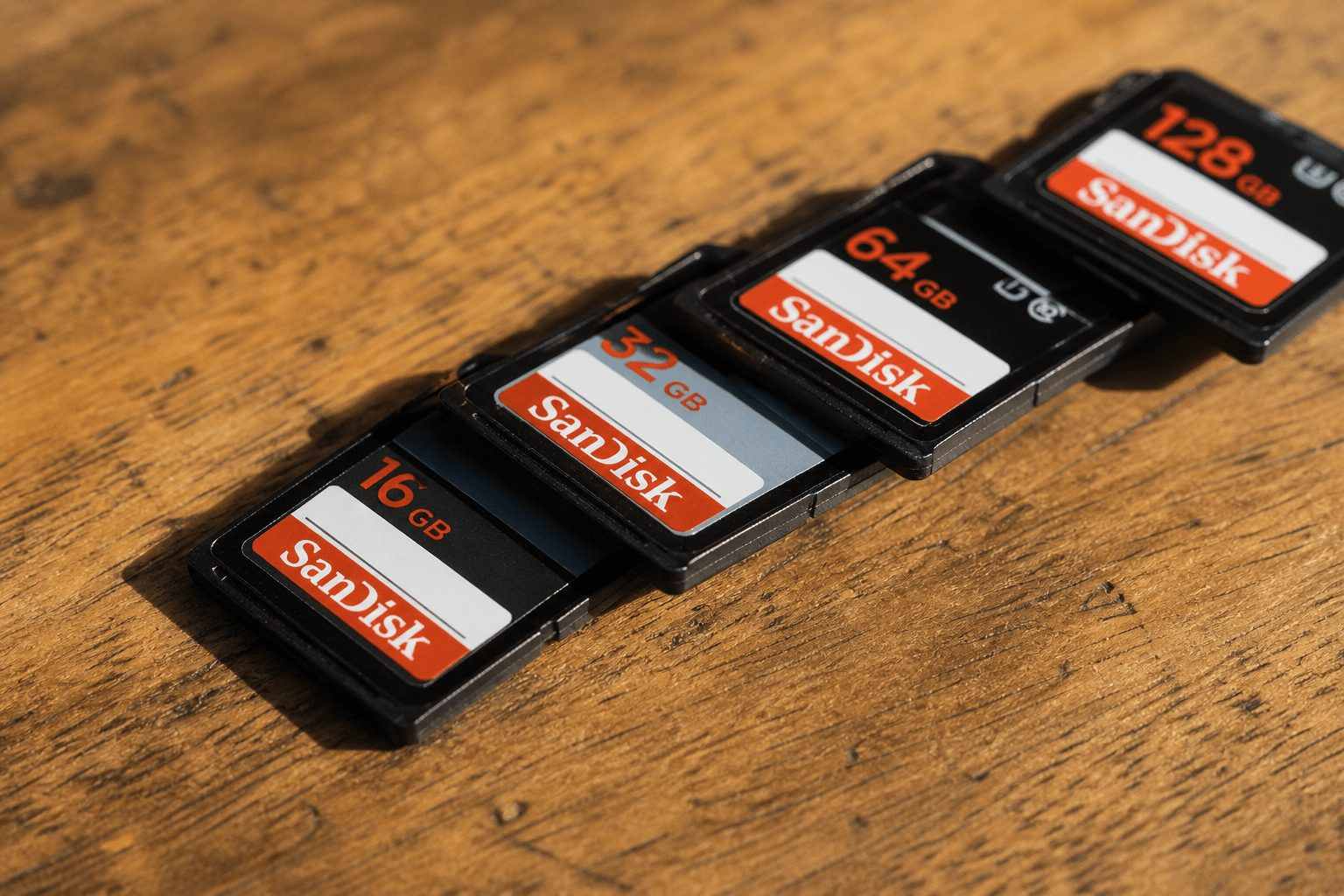
Sandisk shares surged 11.7% to $1,497 in midday trading Friday, snapping back after a steep drop the day before as traders piled back into a popular AI memory play this year. The stock hit an intraday peak of $1,528, after Thursday’s close at $1,339.96.
Sandisk’s profile has shifted: no longer just a quiet storage play, the company now tracks the squeeze in NAND flash supplies as AI data centers ramp up demand for faster memory. On Thursday, a Bernstein note warning about volatility in the spot market—where chips trade outside the usual long-term deals—hit the stock. Still, as The Motley Fool pointed out, Bernstein kept its buy call up to $1,700.
Bulls found fresh ammunition in Sandisk’s results. For the third quarter, revenue soared 251% year-over-year to $5.95 billion. Adjusted earnings? $23.41 per share. The data-center segment jumped 233% sequentially. Looking ahead, Sandisk is projecting fourth-quarter revenue between $7.75 billion and $8.25 billion, and expects adjusted profit in the $30 to $33 per-share range.
Chief Executive David Goeckeler described the quarter as a “fundamental inflection point,” highlighting a pivot toward higher-value markets, with data centers at the forefront. Goeckeler also flagged the company’s new multi-year customer agreements—these deals come with concrete financial commitments and are designed to bring stability to a memory sector that’s seen its share of volatile pricing cycles. Sandisk
The rally hinges on those contracts. Chief Financial Officer Luis Visoso told investors Sandisk locked in three deals in the third quarter, then added two more in the fourth. The three agreements signed by quarter’s end alone brought in close to $42 billion in minimum contractual revenue. All told, the five deals carry over $11 billion in financial guarantees.
The filing put the transaction price tied to remaining performance obligations—revenue locked in but still not booked—at $41.6 billion as of April 3. Roughly 15% of that is likely to be recognized as revenue within the next year.
The Sandisk story isn’t playing out in isolation. Memory stocks are catching a bid as the market leans into an AI-driven supply squeeze. On Friday, Barron’s pointed out that Micron surged 11% for the session, capping a 32% jump that week. Sandisk? Up 12% on the day, 26% over the week—component shortages and AI buzz did plenty of heavy lifting there.
Volatility has gripped the trade. On Thursday, Benzinga noted that Sandisk shares were sliding as investors locked in gains after a massive 412% rally since the start of the year. Short interest ticked up too, climbing to 9.75 million shares from 8.06 million over the most recent period. That same piece flagged Michael Burry’s assessment: he sees the Nasdaq’s run as “more extreme” than the bubble in 1999. Benzinga
There were signs of caution before this, too. Last week, Futu News flagged that Sandisk slipped over 6% in premarket trading despite posting solid earnings—evidence, perhaps, that investor expectations had gotten tough to beat.
The bear scenario here isn’t complicated. In its 10-Q, Sandisk spelled out the usual pitfalls with long-term supply deals: execution snags, financial headaches, and market risks. There’s always the risk Sandisk can’t hit shipment targets, or buyers bail on their orders. Financial guarantees might recoup part of the loss, the company said, but they probably won’t make up the difference.
Investors aren’t calling Thursday’s dip a turning point—more like a breather. Now, attention shifts to Sandisk and its ability to leverage tighter supply, pricier NAND, and those AI-linked contracts into reliable cash flow, all while holding onto the pricing strength that initially sent shares higher.
Related articles: Artificial Intelligence





![Asia Stock Market Today 29/08/2026 [UPDATE: 00:55 SGT] [PayPal and Nvidia Sink as KASE Global Nears Weekend Close]](https://ts2.tech/wp-content/uploads/2026/08/Asia-market-dashboard-2026-08-29-0053-480x384.jpg "Asia Stock Market Today 29/08/2026 [UPDATE: 00:55 SGT] [PayPal and Nvidia Sink as KASE Global Nears Weekend Close]")