
FRANKFURT, January 29, 2026, 10:57 CET — Regular session
- SAP shares slide about 12% in Frankfurt, set for the steepest daily drop since October 2020
- Cloud backlog and the 2026 cloud revenue outlook fall short of expectations despite forecast-beating cloud sales
- Investors watch SAP’s next updates on Feb. 26 and April 23 for clues on backlog conversion and cash returns
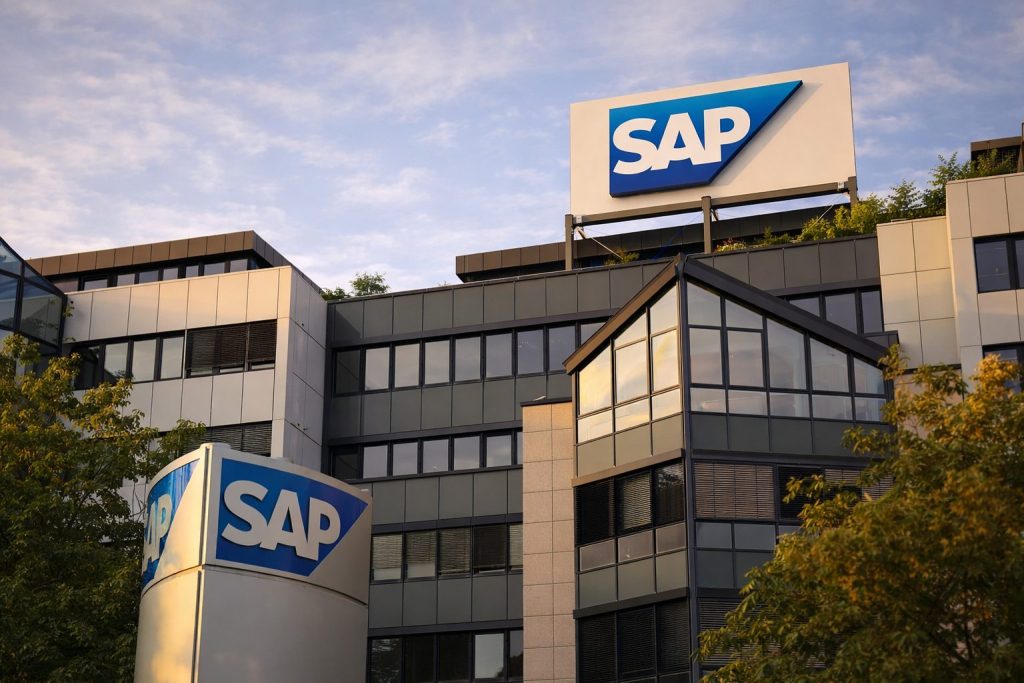
Shares in SAP (SAPG.DE) fell about 12% to around 172 euros in early Frankfurt trade on Thursday, putting Europe’s largest software maker on track for its steepest one-day drop since October 2020. The selloff followed results that met revenue forecasts but missed expectations on cloud backlog and a 2026 cloud revenue outlook, and has wiped roughly $150 billion off the stock’s value from its 2025 peak; “SAP needed an all-round acceleration to fight the trough sector sentiment, and with puts and takes in the update we see shares underperforming,” said Citi analyst Balajee Tirupati. Reuters
The move left SAP dragging on Germany’s DAX, down 0.9% on the day, even as the broader STOXX 600 index edged up 0.2% with miners and energy stocks higher.
This matters now because traders have latched onto cloud backlog — contracted cloud work not yet booked as revenue — as a quick read on how fast SAP can turn customer migrations into subscription sales. When that pipeline looks a touch weaker, the market tends to mark down the stock first and argue later.
Software shares have also been jumpy around AI, with investors trying to work out whether new tools will lift enterprise spending, squeeze pricing, or both. SAP’s update didn’t close the debate, which is part of why the reaction looks outsized.
SAP reported fourth-quarter revenue of 9.7 billion euros, in line with a company-compiled consensus, and cloud revenue of 5.6 billion euros versus 5.5 billion euros expected. Full-year cloud revenue rose 26% at constant currencies to 21 billion euros and total cloud backlog climbed 30% to 77.3 billion euros, it said. It forecast 2026 cloud revenue of 25.8–26.2 billion euros and operating profit of 11.9–12.3 billion euros, flagged free cash flow of about 10 billion euros, and announced a new two-year buyback of up to 10 billion euros while it finishes a 3.2-billion-euro restructuring; it also cited customer wins including Dexco, Lockheed Martin and Rolls-Royce.
Chief executive Christian Klein said SAP Business AI was “included in two thirds of our Q4 cloud order entry,” framing AI as a growing driver of cloud demand. CFO Dominik Asam said the company ended 2025 with operating profit and free cash flow ahead of its own expectations. SAP News Center
The buyback headline was supportive, but it did not answer the near-term question investors keep asking: how quickly backlog converts into revenue, quarter by quarter, without SAP having to lean on discounts.
A sharper economic slowdown could stretch decision cycles for large cloud migrations and pressure new bookings, even if existing contracts hold. And if AI tools change how companies buy or run enterprise software, SAP may face tougher competition and more price pressure than its guidance assumes.
SAP’s next scheduled milestones are its integrated report on Feb. 26 and first-quarter results on April 23, when investors will get another read on backlog growth and cash returns. The company’s annual general meeting is set for May 5.