MUMBAI, April 8, 2026, 17:50 IST
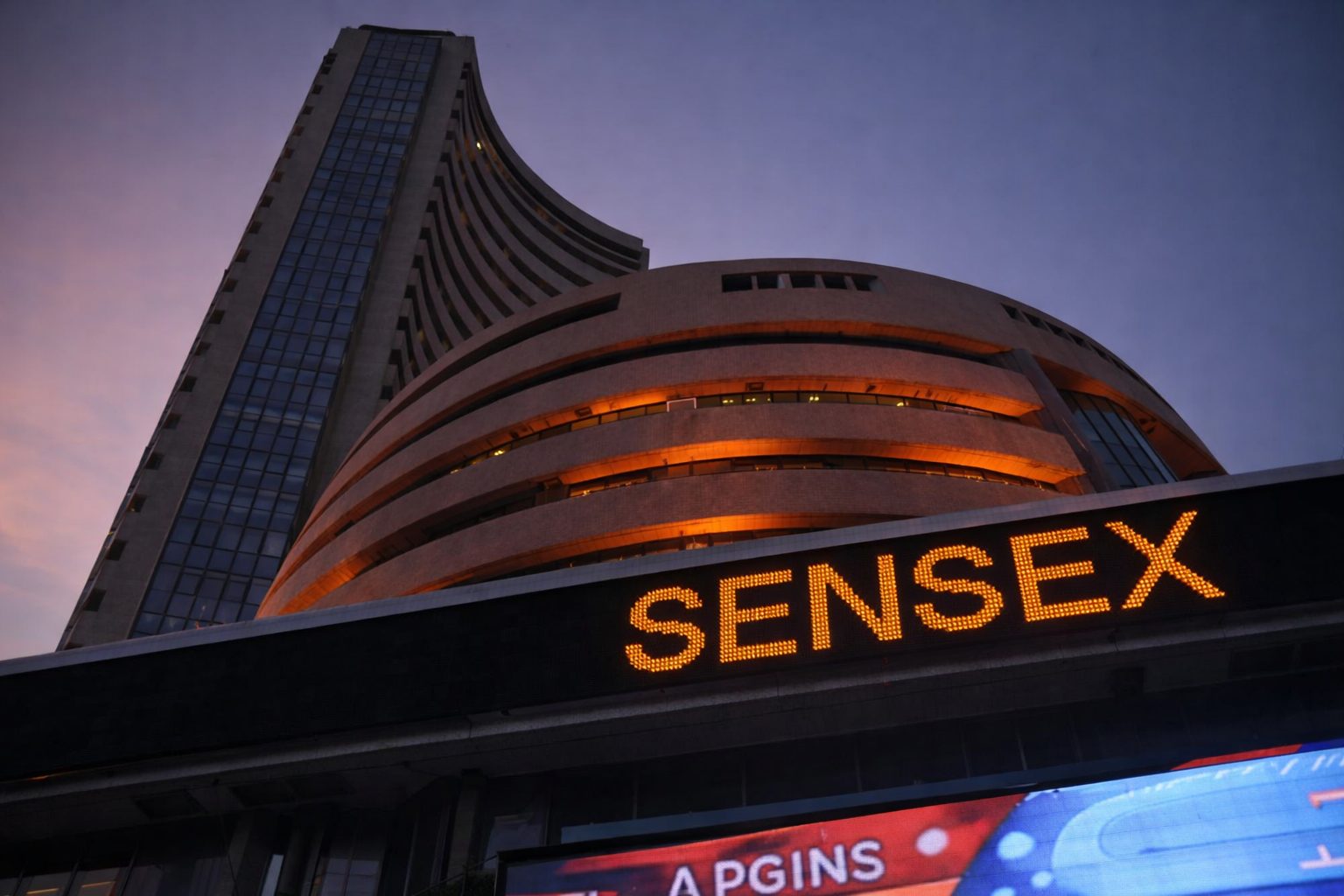
Indian equities ripped higher Wednesday, snapping off their biggest jump in months as the Sensex soared 2,946.32 points to 77,562.90. The Nifty 50 came up just short of the 24,000 mark, finishing at 23,997.35. Sensex hadn’t seen a rally this strong in five years; for the Nifty, it was the best single-day gain in nearly a year. The surge followed a two-week ceasefire agreement between the U.S. and Iran, coupled with the Reserve Bank of India’s move to hold rates steady. Reuters
That’s a big deal for India, which imports roughly 90% of its oil. When crude shot past $100, it hammered the rupee to a record low and triggered almost $19 billion in foreign market outflows from March to early April, clouding prospects for growth, inflation, and corporate profits—until oil abruptly reversed course on Wednesday. Reuters
Still, that easing hinges on ongoing talks. Less than two hours before his ultimatum expired for Tehran to reopen the Strait of Hormuz—a key corridor that usually sees about 20% of global oil supply—President Donald Trump called for a pause. Iran, for its part, agreed to stop counter-attacks and guaranteed safe passage during the truce. Brent crude dropped 14.4% to $93.49 a barrel, while U.S. crude was down 16.7% to $94.05. Reuters
Buyers were everywhere, lifting all 16 major sectors. Financials picked up 5.5%, autos and realty shares each stacked on about 6.8%. Small- and mid-cap indexes jumped more than 4%. Larsen & Toubro—deeply tied to the Middle East—surged 7.6%. InterGlobe Aviation, recovering from conflict disruption, rallied 8.1%. Reuters
“Anxiety has eased for now,” according to Dhananjay Sinha, chief executive and co-head of institutional equities at Systematix Group. Still, he cautioned, the shape of any real rebound depends on the next developments. This wasn’t just about India—Japan’s Nikkei surged over 5%, while South Korea’s Kospi jumped more than 6% as Asian traders piled into the same oil-driven relief rally. Reuters
The RBI held its repo rate steady at 5.25%, keeping its neutral stance intact after a unanimous call. “Wait and watch,” Governor Sanjay Malhotra said, pointing to risks from the war—persistent oil and gas shocks could push inflation higher and weigh on growth. Reuters
The central bank is projecting growth to ease to 6.9% for 2026-27, down from 7.6% in the previous year. Inflation is pegged at 4.6%, with core inflation sitting just below that at 4.4%. DBS’s Radhika Rao called the policy environment a “cautious balancing act.” Garima Kapoor at Elara Securities said the growth outlook could be up for revision if energy exports don’t stabilize for another three to six months. Reuters
The rupee notched up a fourth consecutive gain, advancing 0.5% to 92.58 against the U.S. dollar. HDFC Bank flagged the possibility of more strength in the near term, projecting the currency to hover in the 92-93 band, but the bank still sees the rupee sliding back toward 94-96 by the close of FY27. Reuters
The rebound looks shaky. Shippers and refiners remain in limbo, lacking firm direction on when Hormuz traffic will actually return to standard patterns. Over 1,000 vessels got tangled up during the blockade; one industry estimate puts the timeline for a full reset—even under smooth conditions—at more than two weeks. Reuters
Dalal Street’s got some space to maneuver, but it’s not out of the woods. The RBI pledged to maintain enough liquidity so overnight rates hug the policy rate—a signal that, according to analysts, should ease some nerves. Still, if crude prices pop again or negotiations break down, that relief could vanish in a hurry. Reuters