
UPDATE: Mumbai, April 8, 2026, 20:52 (IST).
After India wrapped up, the relief rally picked up steam—Wall Street indexes jumped nearly 2.8%, while Brent crude tumbled further, settling near $91.80 a barrel and boosting the oil-driven lift in global risk appetite.
RBI Governor Sanjay Malhotra described the central bank’s latest restrictions on banks’ FX positions and NDF access as short-term steps. India’s forex reserves climbed to $697.1 billion as of April 3, enough to cover 11 months of imports, he said.
The truce barely held. Reuters, citing sources late Wednesday, said Iran hit Saudi Arabia’s East-West pipeline only hours after the ceasefire took effect. Damage is still being assessed, and pipeline flows are likely to take a hit.
Hapag-Lloyd is signaling it could be another six to eight weeks before its shipping network gets back to normal, even if the pause stays in effect. Supply chains aren’t expected to snap back overnight.
MUMBAI, April 8, 2026, 17:50 IST
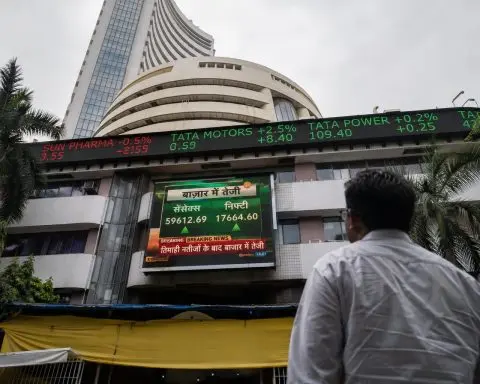
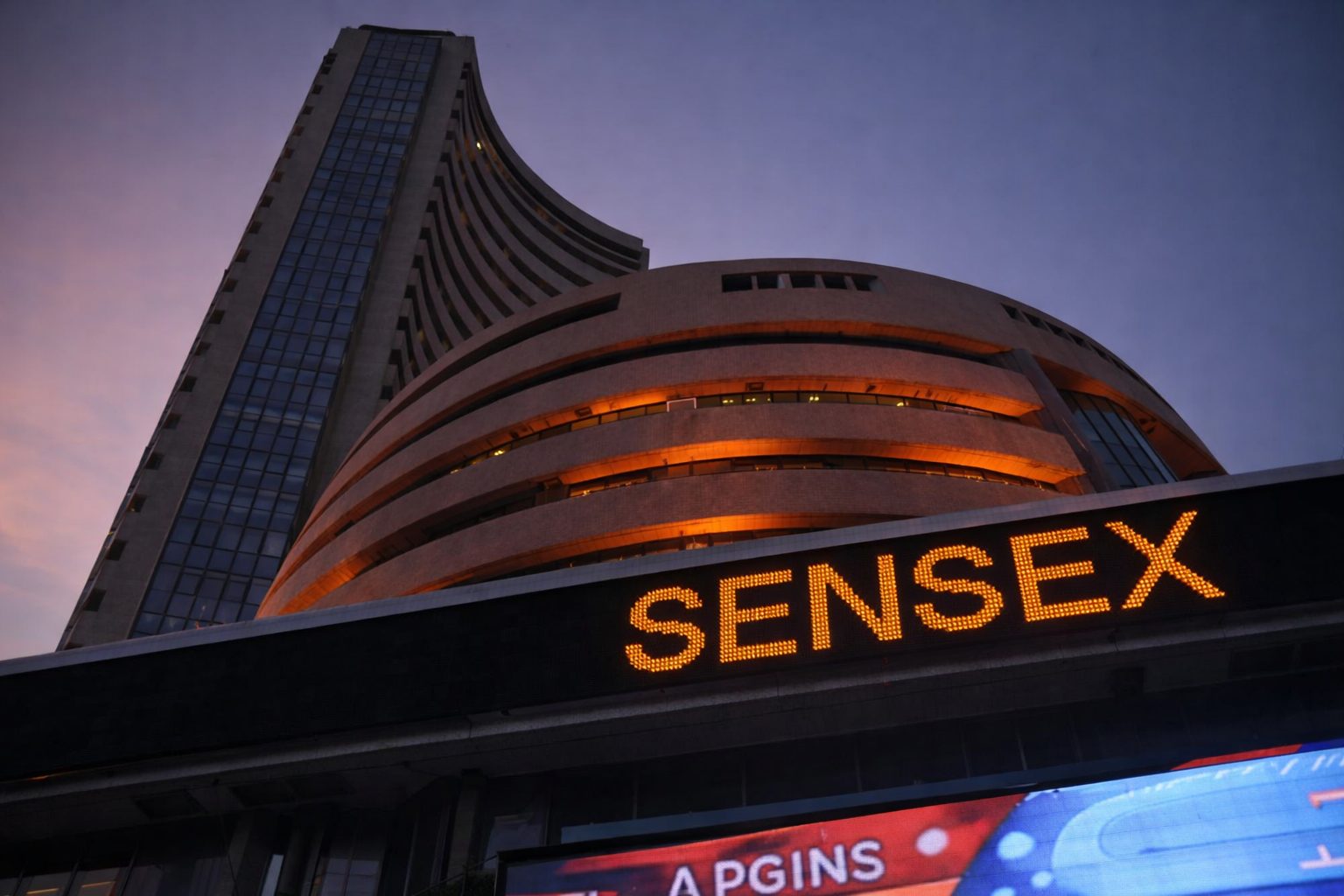
Indian stocks tore higher Wednesday, with the Sensex blazing 2,946.32 points up to 77,562.90—its sharpest one-day leap since 2019. The Nifty 50 nearly cracked 24,000 before settling at 23,997.35, logging its best session in close to a year. Markets got a jolt from news of a two-week ceasefire deal struck by the U.S. and Iran, plus the Reserve Bank of India sticking with its current rates.
It’s a significant hit for India, a country that brings in about 90% of its oil from abroad. As crude prices surged beyond $100, the rupee sank to an all-time low, and nearly $19 billion flooded out of foreign markets between March and early April, raising big question marks over growth, inflation, and companies’ bottom lines—right up until oil prices tumbled on Wednesday.
But any relief depends on how negotiations play out. With just under two hours left before President Donald Trump’s deadline for Iran to reopen the Strait of Hormuz—a channel handling about 20% of global oil flows—he called for a pause. Iran responded by halting its counterstrikes and pledged safe passage through the area while talks continue. Brent crude slid 14.4% to $93.49 per barrel. U.S. crude tumbled even more, losing 16.7% to $94.05.
Buyers pushed into every corner of the market, driving gains across all 16 major sectors. Financials added 5.5%, while autos and realty shares logged strong advances of roughly 6.8% each. Small- and mid-cap indexes soared more than 4%. Larsen & Toubro, exposed to the Middle East, shot up 7.6%. InterGlobe Aviation, still shaking off the aftermath of conflict, jumped 8.1%.
Dhananjay Sinha, chief executive and co-head of institutional equities at Systematix Group, said “Anxiety has eased for now.” But he also flagged that any real rebound still hinges on what happens next. The surge wasn’t limited to India—Japan’s Nikkei rocketed more than 5%, South Korea’s Kospi rallied over 6%, as Asian markets chased the same oil-fueled relief. Reuters
The Reserve Bank of India left its repo rate unchanged at 5.25%, maintaining a neutral policy stance with full backing from the rate-setting panel. Governor Sanjay Malhotra summed up the approach as “Wait and watch,” highlighting concerns over the ongoing war. He warned that stubborn oil and gas prices could spur inflation and drag on economic growth. Reuters
The central bank now sees growth slowing to 6.9% for 2026-27, a pullback from 7.6% a year earlier. Headline inflation is forecast at 4.6%, with the core number just under that at 4.4%. DBS’s Radhika Rao described the policy setup as a “cautious balancing act.” Over at Elara Securities, Garima Kapoor flagged the potential for a shift in the growth view if energy exports remain volatile for another three to six months. Reuters
The rupee logged its fourth straight gain, climbing 0.5% to 92.58 per U.S. dollar. HDFC Bank pointed to room for more appreciation in the near term, expecting the unit to stay in the 92-93 range. Still, the bank projects a return to the 94-96 level by the end of FY27.
The rebound’s uncertain. Shippers and refiners are still waiting, with no clear idea when Hormuz flows normalize. More than 1,000 ships were snarled by the blockade; one industry estimate says even with no further setbacks, expect a reset to take upwards of two weeks.
Dalal Street isn’t boxed in just yet, though challenges linger. The RBI promised it will keep liquidity at a level where overnight rates stick close to the policy rate—something analysts think might calm jitters for now. But any spike in crude or a snag in talks, and that comfort could disappear fast.
Related articles: NSE:LT