
New York, May 13, 2026, 11:03 EDT
- The Dow Jones Industrial Average slipped 0.35% in late-morning trade. The S&P 500 lost ground too, while the Nasdaq managed a slight uptick.
- Producer prices jumped 1.4% in April, marking the sharpest monthly increase since March 2022.
- Prediction markets and futures are now tilting toward no Fed rate cuts this year, with bets on easing losing ground.
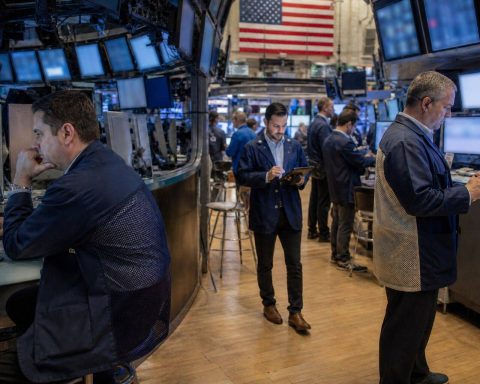
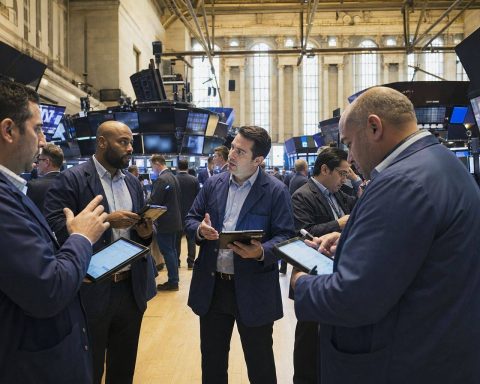
NEW YORK — The Dow Jones Industrial Average slipped Wednesday, after U.S. wholesale inflation numbers came in higher than anticipated and dented investor expectations for Fed rate cuts this year.
The blue-chip index shed 173.29 points, or 0.35%, closing at 49,587.27. The S&P 500 edged down 0.10%, with the Nasdaq Composite eking out a 0.07% gain, LSEG figures reported by Reuters showed. It’s a familiar pattern: rate-sensitive and older economy names lagged, but some tech shares managed to find their footing following Tuesday’s drop.
This shift carries weight, as inflation concerns have started hitting beyond just the consumer level. The Labor Department reported that the Producer Price Index (PPI), which tracks what businesses are paid ahead of products reaching end buyers, climbed 1.4% in April. Year-on-year, that’s a 6.0% jump—the sharpest monthly increase since March 2022.
Tuesday brought consumer inflation numbers showing a 3.8% year-over-year increase. Gas prices surged 28.4% over those 12 months, with energy up 17.9%. The market remains fixated on the oil shock tied to the Iran war.
Rate bets moved once again. According to Reuters, traders now see a 34.3% chance of a Fed hike by December, jumping from roughly 15% just a week ago. Over at UBS Global Wealth Management, the first anticipated Fed cut has been shifted to December 2026—previously, they were looking for it as early as September. “The conditions for a September cut have not yet been met,” UBS analysts led by Andrew Dubinsky wrote. Reuters Reuters
Prediction markets quickly reflected the shift. Over at Kalshi, odds for “exactly 0 cuts” in 2026 stood at 63%, while a single cut was priced at 18%. Polymarket went even higher, assigning a 70% probability to no 2026 rate cuts and putting the chance of a 2026 hike at 30%. On Polymarket’s Fed dashboard, traders saw a 98% likelihood that rates stay put at the June meeting. Kalshi Polymarket Polymarket Polymarket
Spartan Capital Securities’ Peter Cardillo described the numbers as “very challenging data,” suggesting the Fed likely won’t make a move this year. Paul Nolte of Murphy & Sylvest weighed in too, warning that rising producer prices may pinch margins for firms that can’t shift those costs to buyers. Reuters
Brian Jacobsen at Annex Wealth Management flagged inflation as a margin risk for companies, and suggested it could hit consumers next. Nationwide’s Mark Hackett cited core inflation as the “real eye opener.” For Thomas Martin of GLOBALT, oil and Strait of Hormuz effects are “just getting started.” Reuters
Tech stocks offered some relief for the broader market. Micron Technology jumped 4.3% and Nvidia picked up 2.4%, according to AP, keeping the Nasdaq afloat while much of the rest of the market slipped. “Earnings and AI momentum are the market’s primary shock absorbers,” said Tim Waterer, chief market analyst at KCM Trade. AP News
The Dow underperformed, pulled down mainly by IBM and Salesforce, according to MarketWatch. Those two names acted as outsized anchors for the 30-stock index—thanks to the Dow’s price-weighted setup, swings in just a few heavy hitters like these can disproportionately impact the whole average, regardless of their actual market value.
There’s a risk inflation keeps rippling out. Persistent energy price strength could push Treasury yields even higher, squeezing out those rate-cut hopes and making investors rethink valuations, particularly for sectors sensitive to borrowing costs or names that have already run up sharply. Chip stocks? If they turn south, it’s another headache—Reuters points out the Philadelphia semiconductor index has soared 64% since late March.
The Dow Jones today isn’t showing panic—this is more a market calibrating its view on the Fed. The index holds close to its highs, yet the path higher looks tougher. Inflation’s running hot, oil prices haven’t cooled, and there’s less Fed support in the mix.
Related articles: Inflation