Bangkok, March 1, 2026, 15:06 ICT — The market has closed.
- The SET Index in Thailand slipped 0.35% on Friday, closing at 1,528.26—yet that keeps it close to its 52-week high.
- Gulf tensions rattled shipping and flight paths, putting oil stocks and travel-sensitive names in the spotlight.
- Markets will be closed March 3. Traders are now looking ahead to the U.S. jobs numbers due March 6.
Thai stocks look set for a volatile start Monday, as U.S.-Israeli airstrikes on Iran prompted major oil companies and traders to halt certain shipments via the Strait of Hormuz—responsible for about a fifth of the world’s oil traffic.
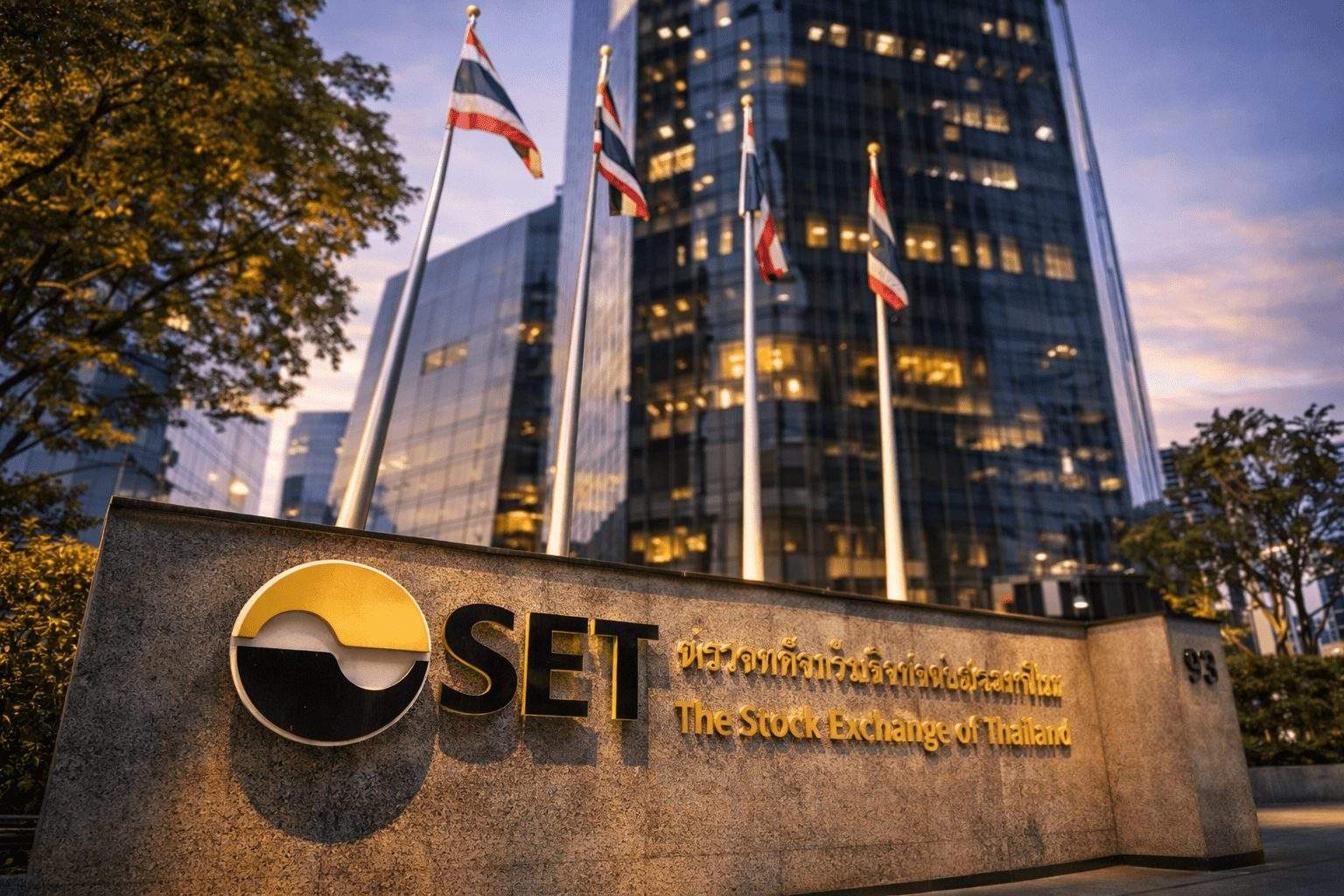
The SET Index in Thailand settled at 1,528.26 on Friday, shedding 5.38 points, or 0.35%. Turnover reached roughly 104.31 billion baht. The benchmark moved between 1,520.90 and 1,545.31, hitting the upper end of its 52-week range as major stocks diverged. Advanced Info Service dropped 5.94%, showing the “XD” flag for ex-dividend status. Kasikornbank climbed 1.26% and Bangkok Bank edged up 0.57%, while PTT slipped 0.67%. Stock Exchange of Thailand
This week’s trading will be squeezed to four sessions, with the exchange closed Tuesday, March 3 for a market holiday. Investors will be eyeing Friday, when the U.S. employment report for February lands on March 6.
Dividend hunting gave the index some early support, according to Weerawat Wirojphoka, senior director at FSS International Investment Advisory Securities (FSSIA). But once ADVANC went ex-dividend, that pressure set in. Natapon Khamthakrue, assistant managing director for securities analysis at Yuanta Securities (Thailand), flagged capital inflows and pointed to the MSCI Global Standard Index revision — a reshuffle that, he said, injected late-session volatility as index-tracking funds adjusted positions right at the close.
Currency swings stay on the radar in daily risk checks. Friday’s Bank of Thailand reference put the U.S. dollar at 31.0580 baht, barely budging from Thursday’s 31.0680.
Oil’s in focus going into Monday—Barclays energy analysts say Brent “could hit $100” if markets move to price in a supply shock. OCBC’s Christopher Wong flags that the strike “raises geopolitical risk premia” as trading resumes. Reuters
OPEC+ moves could collide with those plans. According to two sources cited by Reuters, the group is weighing a potential output hike — possibly more than the previously expected 411,000 barrels per day — at its meeting set for Sunday. This follows export bumps from Saudi Arabia and the UAE, who acted ahead of possible disruptions.
Travel faces its own squeeze. On Sunday, airlines continued to cancel flights throughout the Middle East, with Reuters noting that big hubs like Dubai, Abu Dhabi, and Doha either closed or scaled back operations. That’s stoking worries over route detours, costlier tickets, and a hit to travel demand if the turmoil persists.
For Thai stocks, the real threat is if an oil surge spreads beyond just energy names. Sure, upstream players and a handful of refiners might get a boost from pricier crude. But if those prices hang around, the squeeze shows up everywhere—transport, segments of manufacturing, and even the consumer pocketbook.
This market’s got its push and pull—think dividend cuts from major players, banks snapping up shares as yields shift, and energy following every oil move. The index sits close to its 12-month highs, so any small shakeup could prompt investors to lock in gains.
But if tensions in the Middle East cool off fast, that could flip the script. Tankers resume, risk appetite rebounds, and suddenly the energy trade loses steam. Investors might shift focus again, chasing domestic dividends and clearer prospects.
Friday’s U.S. jobs report hits on March 6, and that’s the next big data swing for the dollar and rates. Regional markets will be watching closely, gauging just how much space they’ve got to handle another stretch of oil-fueled volatility.