
NEW YORK, May 11, 2026, 18:53 (EDT)
- Shake Shack dropped 8.0% to end Monday at $64.50, following a UBS move to lower its price target to $79 from $104 while sticking with a neutral rating.
- Piling on after last week’s rout, the burger chain posted a first-quarter loss and fell short of Wall Street’s forecasts.
- Michelle Hook stepped in as chief financial officer on Monday, with Shake Shack looking to bankroll more rapid store expansion but still keep margins intact.
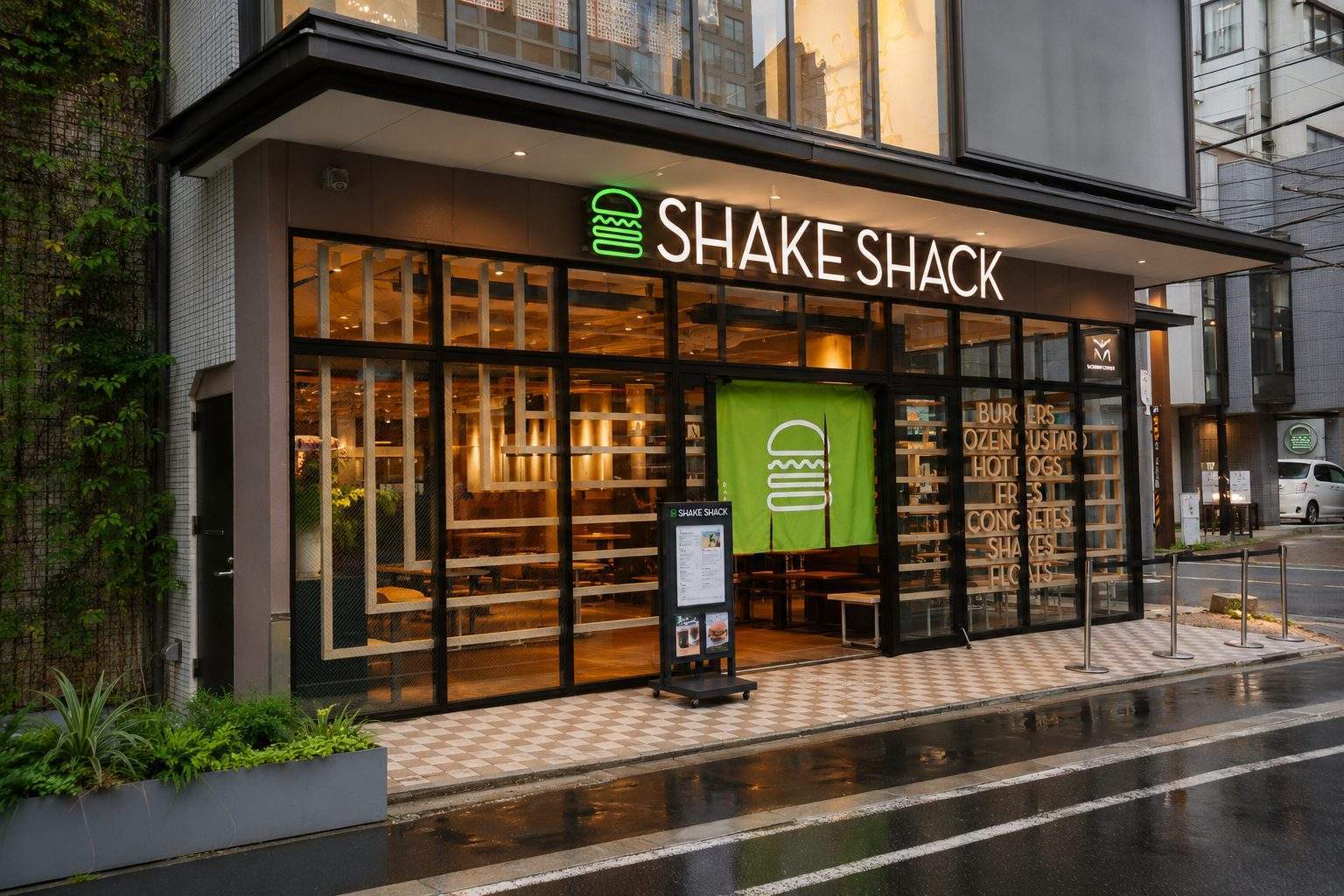
Shake Shack Inc. shares slid for another session Monday, ending the day down 8.0% at $64.50. UBS trimmed its price target, and investors continued to dump the stock after Shake Shack reported a first-quarter loss. The New York Stock Exchange was shut at press time.
This drop hits hard: Shake Shack’s still pouring money into expansion, just as diners tighten budgets and beef prices refuse to ease. Tough spot for a chain that’s staked its brand on pricier burgers, busy city locations, and opening new spots.
Shake Shack’s first-quarter revenue climbed 14.3% year over year to $366.7 million, but losses weighed. The company posted an operating loss of $2.6 million and a net loss attributable to Shake Shack of $290,000, or 1 cent per share. Adjusted EBITDA dropped 9.3% to $37.0 million.
Wall Street didn’t waste time adjusting. UBS now sees a $79 target, down sharply from $104. JPMorgan’s call landed at $85, dropped from $100, and it stuck with neutral. DA Davidson, Guggenheim, and Mizuho all shaved their targets as well. Stifel, despite a fresh buy upgrade, pulled its number down to $85 from $105.
The broader restaurant landscape isn’t lending much support. Chipotle Mexican Grill and Restaurant Brands International both pointed to higher beef prices, according to Reuters. Michael Gunther, senior vice president at Consumer Edge, noted “broader signs of consumer strain across restaurants” and highlighted that persistently high beef costs remain a key concern. Reuters
Chief Executive Rob Lynch acknowledged weather was a drag, blaming it for a 240 basis point — or 2.4 percentage point — hit to comparable sales, but insisted the company’s momentum is intact. “Underlying sales and traffic momentum remained strong,” he said. Lynch also highlighted a record expansion pace, calling it the “largest first quarter of new units ever,” as the chain added 17 new restaurants. SEC
Same-Shack sales—a key metric tracking revenue at Shake Shack locations open for at least 24 full fiscal months—climbed 4.6% for the quarter, with a 1.4% uptick in traffic. In April, same-Shack sales slipped 0.6%. The dip reflected the calendar shift that pulled Easter week and spring breaks into March. Early May saw a bounce, helped by the BBQ Boneless Baby Back Rib Sandwich, and Shake Shack expects the World Cup to drive more traffic in June.
Costs are still weighing on results. Food and paper ran 28.3% of Shack sales, as beef prices climbed by low double digits from a year ago. General and administrative expense hit $53.6 million, reflecting higher spending on marketing, tech, and hiring. Pre-opening costs jumped, too, as the company sped up restaurant launches.
Hook steps in as CFO after holding the same post at Portillo’s since 2020. Her resume includes over 17 years at Domino’s Pizza. Now, her responsibilities at Shake Shack cover accounting, treasury, financial planning, tax, investor relations, and external reporting. “Shake Shack’s disciplined approach to building a beloved brand,” Hook said, is something she’s long admired. Shake Shack
Still, the outlook offers scant margin for missteps. Shake Shack’s second-quarter revenue guidance lands at $424 million to $428 million, with same-Shack sales growth seen between 3% and 5%. Looking further out, management projects 2026 revenue in the range of $1.6 billion to $1.7 billion and adjusted EBITDA from $230 million to $245 million. The company noted these forecasts build in assumptions about consumer-spending headwinds and inflation, but leave out potential tariff shifts or other changes.