SHANGHAI, March 7, 2026, 13:52 (UTC+8)
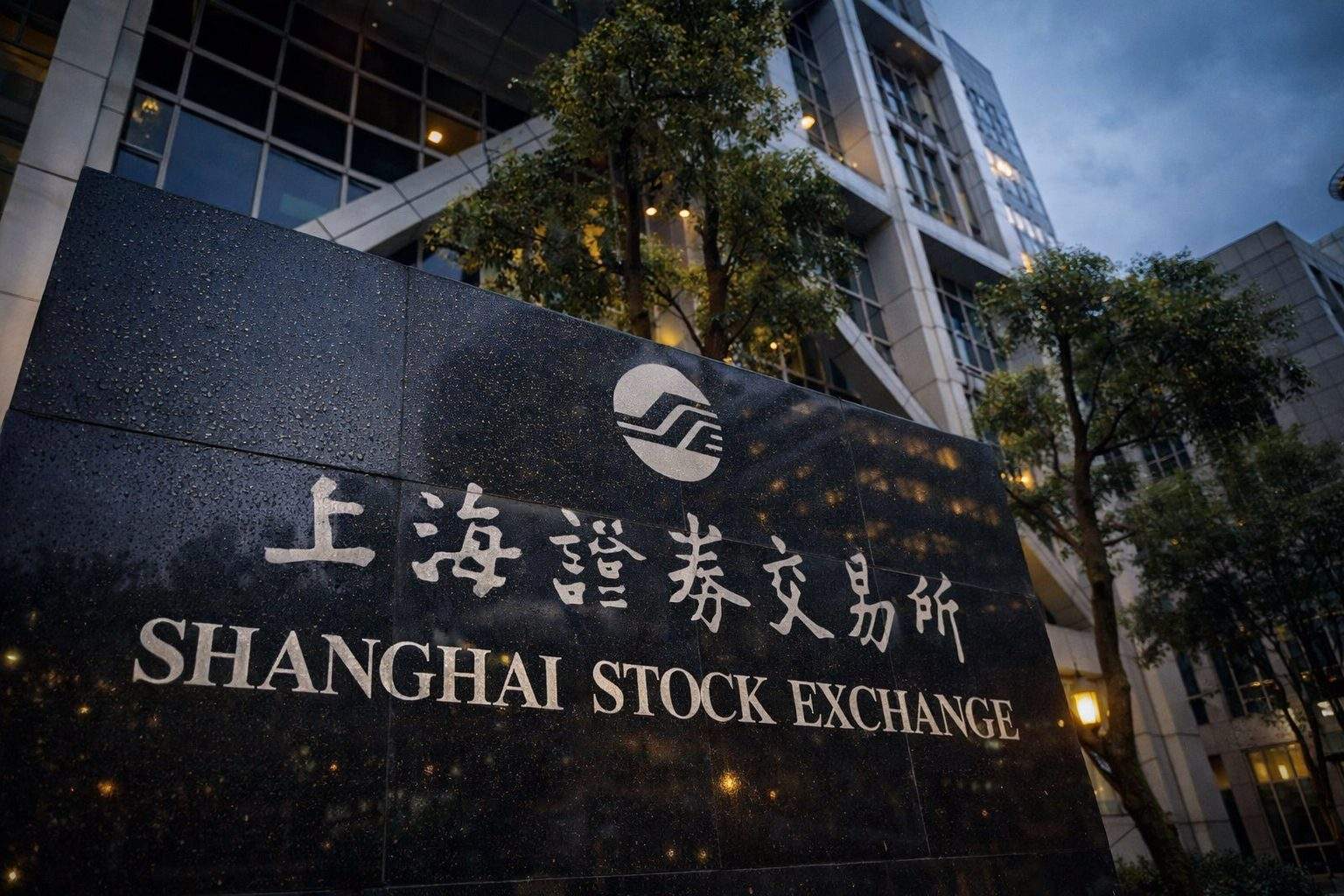
Shanghai’s rally fizzled. After touching a decade peak on Monday, the Shanghai Composite retreated, closing Friday at 4,124.19—down 0.9% from last week’s 4,162.88—amid renewed geopolitical jitters. Reuters Japan
This shift is significant: at its annual parliament session, Beijing signaled it’s prepared to live with slower growth but is pushing hard on tech. There’s now a 2026 growth target of 4.5%-5% and a fresh five-year plan aimed at weaving artificial intelligence throughout the economy. Liu Chenjie, chief economist at Upright Asset Management, called the policy stance “loud and clear” on tech and domestic demand. Reuters
On Friday, the Shanghai Composite edged up 0.38%. The CSI300, which tracks large-cap names in Shanghai and Shenzhen, added 0.27%. Still, the CSI300 ended the week down 1.1%. Hong Kong’s Hang Seng jumped 1.72% on the day, but that didn’t stop a 3.3% weekly slide. Mainland consumer staples outperformed, while oil-and-gas and non-ferrous metals names were among the laggards. Reuters Japan
A sharp shift hit on Monday. Shanghai soared to 4,182.59—levels last seen in June 2015—as investors piled into energy, gold, and defense stocks after the Iran conflict jolted oil markets. The Hang Seng, on the other hand, slumped over 2%. Jeff Mei, chief operating officer at BTSE, pointed out that an oil shock risks igniting inflation worries and dampening risk appetite. Reuters Japan
The drop was swift. Tuesday saw the Shanghai Composite sink 1.43%—its sharpest slide in a month. The STAR50, tracking Shanghai’s tech-heavy STAR Market, tumbled 5.21%. Shenzhen’s ChiNext board, focused on startups, gave up 2.57%. Rare earths, chips, defense—each sector hit by profit-taking. The losses deepened Wednesday. PetroChina, Sinopec, and CNOOC all posted abnormal-trading alerts after posting jumps of more than 20% in just three sessions. They flagged normal business operations but warned of continued uncertainty tied to crude prices. Reuters Japan
Thursday saw buyers step in following Premier Li Qiang’s move to set a lower growth target and highlight a push for more innovation spending. AI, semiconductor and biotech names pushed higher, while consumer and property shares lagged. MUFG (China) chief financial market analyst Marco Sun called the approach “broadly supportive,” with a clear tilt toward AI and other “new economy” picks. Reuters Japan
The risk: support may stay focused while demand struggles. On Friday, officials outlined plans for 109 big projects this year—spending will top 7 trillion yuan. Finance Minister Lan Foan said a 100 billion yuan fiscal-financial coordination fund is earmarked for consumption and private-sector investment. Still, the government’s work report called out an “acute” mismatch: supply is strong, demand’s not. And the property downturn? Still a threat. Reuters
Clarity was sharper on market structure. CSRC Chairman Wu Qing said Shenzhen’s ChiNext will move toward more tailored, inclusive listing rules, mirroring the reform path set by Shanghai’s STAR Market. “This will better serve the development of local economies and the private sector,” Wu added. He said the standards now used for STAR and ChiNext will also roll out to the main board, highlighting Beijing’s push to direct more capital to domestic tech leaders. Reuters
It’s still a tough environment out there. According to Reuters, global stocks are on track for their steepest weekly slide in six years, with oil prices spiking due to the war against Iran. Even as Beijing pushes tech finance and targeted stimulus, Shanghai isn’t shielded—rising energy costs could easily trigger another wave of volatility. uk.mobile.reuters.com