
LONDON, May 7, 2026, 10:19 BST
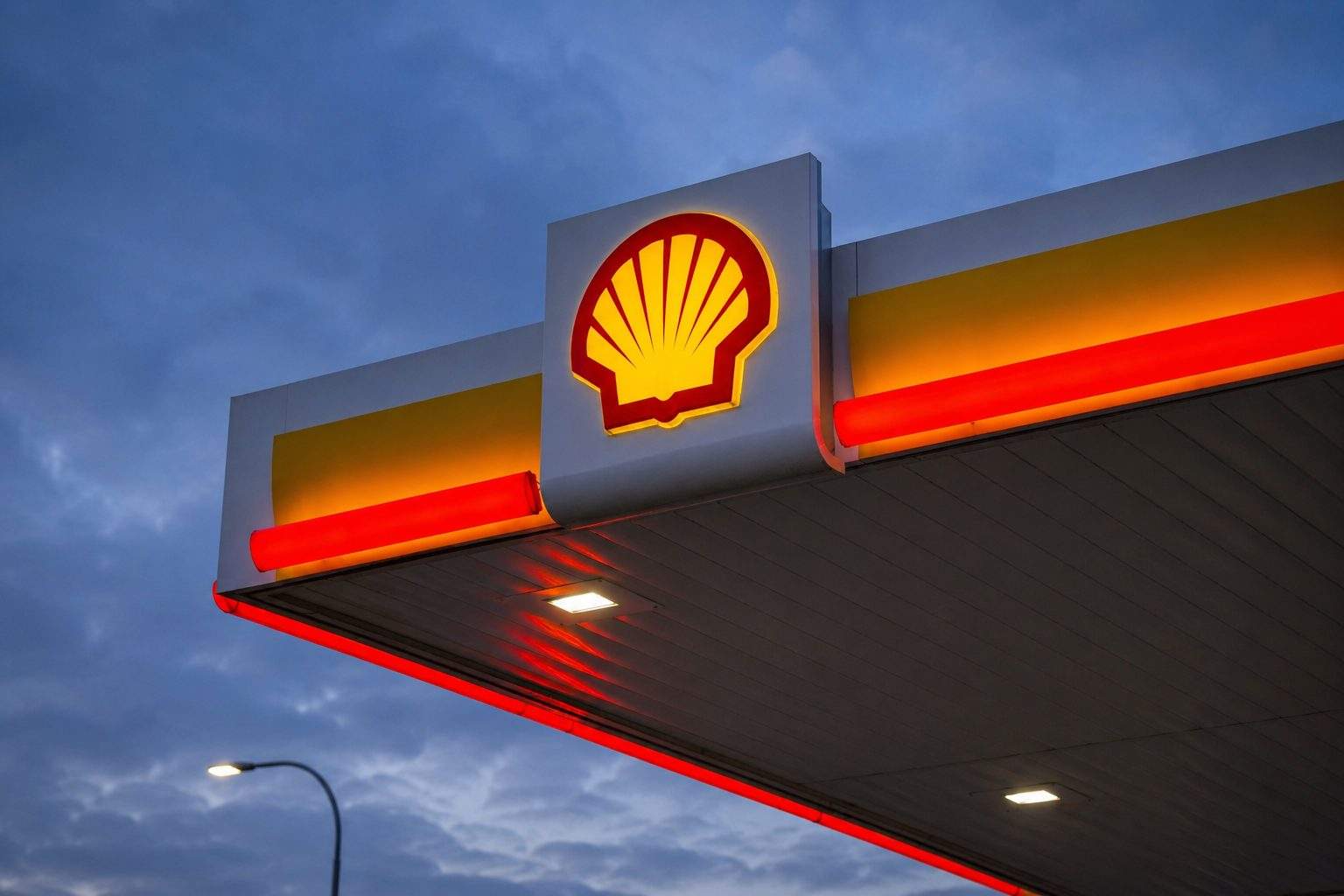
Shell Plc slid 3.9% Thursday, giving up ground after the company dialed back its quarterly share buyback—even as first-quarter profit came in ahead of forecasts. Investors shrugged off the earnings beat; BP lost ground as well, dragging the broader European energy index lower.
This cut is significant. Buybacks—a company snapping up its own shares, typically to shrink the share count—have been central to the Shell stock story. Shell maintains it aims for total shareholder distributions between 40% and 50% of operating cash flow over time, splitting that between dividends and buybacks.
The timing isn’t great for oil stocks. Crude has pulled back from its earlier surge, with investors eyeing possible headway on a U.S.-Iran deal. That’s taken some steam out of a sector that had thrived on conflict-fueled price jumps and wild swings.
Shell turned in “strong results” this quarter, Chief Executive Wael Sawan said, citing “unprecedented disruption in global energy markets.” Adjusted earnings, the company’s favored metric that strips out certain accounting shifts, landed at $6.915 billion. Cash flow from operations — not counting working-capital swings — reached $17.2 billion. Working-capital outflow stood at $11.2 billion, reflecting funds tied up in short-term items like inventories and receivables as prices whipsawed. GlobeNewswire
Shell’s $3 billion share buyback is set to last roughly three months, according to the company, which plans to purchase shares on London exchanges and then cancel them. The program is aimed for completion ahead of second-quarter results, but Shell noted it could temporarily halt buybacks during the period surrounding documentation for its planned ARC Resources deal.
The board set a first-quarter interim dividend at $0.3906 per ordinary share, matching $0.7812 for each American depositary share. Ordinary shares will trade ex-dividend May 21, ADSs a day later on May 22. Payout lands June 29, according to the company.
Sinead Gorman, Shell’s CFO, pointed to the dividend hike as evidence of the company’s faith in its long-term cash generation, adding that cash is now being steered toward strengthening the balance sheet. Citi’s Alastair Syme argued the 8% year-on-year reduction in combined dividends and buybacks was overdue. As for earnings, profit outperformed estimates, driven largely by trading—Shell’s chemicals and products unit, which captures refining and oil trading, delivered $1.93 billion. That tracks with recent results from BP and TotalEnergies.
Still, there’s a chance the quarter’s cash squeeze and sluggish volumes stick around. Net debt jumped to $52.6 billion, up from $45.7 billion at 2025’s close. Gearing moved higher as well — now 23.2%, up from 20.7%. Shell flagged weaker second-quarter integrated gas and LNG (liquefied natural gas) volumes, blaming the Middle East conflict, issues in Qatar, and scheduled maintenance.
Investors Chronicle’s delayed quotes put Shell shares 1.71% lower at 3,156.5 pence as of 09:24 BST. The verdict on Thursday: yes, the company outpaced earnings forecasts, but investors zeroed in on the trimmed buyback and murkier cash flow.
Related articles: Energy