Shenzhen, March 1, 2026, 14:02 (GMT+8) — The session has ended.
- The Shenzhen Component slipped 0.06% to finish Friday at 14,495.09, while ChiNext shed 1.04%.
- China’s central bank starts its FX-forwards adjustment on March 2, stepping in as authorities try to slow the yuan’s sharp climb.
- Investors are watching for March 4 PMI numbers, with China’s National People’s Congress set to open a day later, on March 5.
China’s central bank will scrap its 20% risk-reserve requirement on FX forward contracts starting March 2, in a move designed to cool the yuan’s sharp gains as exporters warn of mounting pressure. “It means the PBOC is intervening as the yuan’s appreciation is too fast,” said Yuan Tao, analyst at Orient Futures. The currency has climbed over 7% since last April, with an increasing number of listed companies reporting exchange-rate related profit hits. Reuters
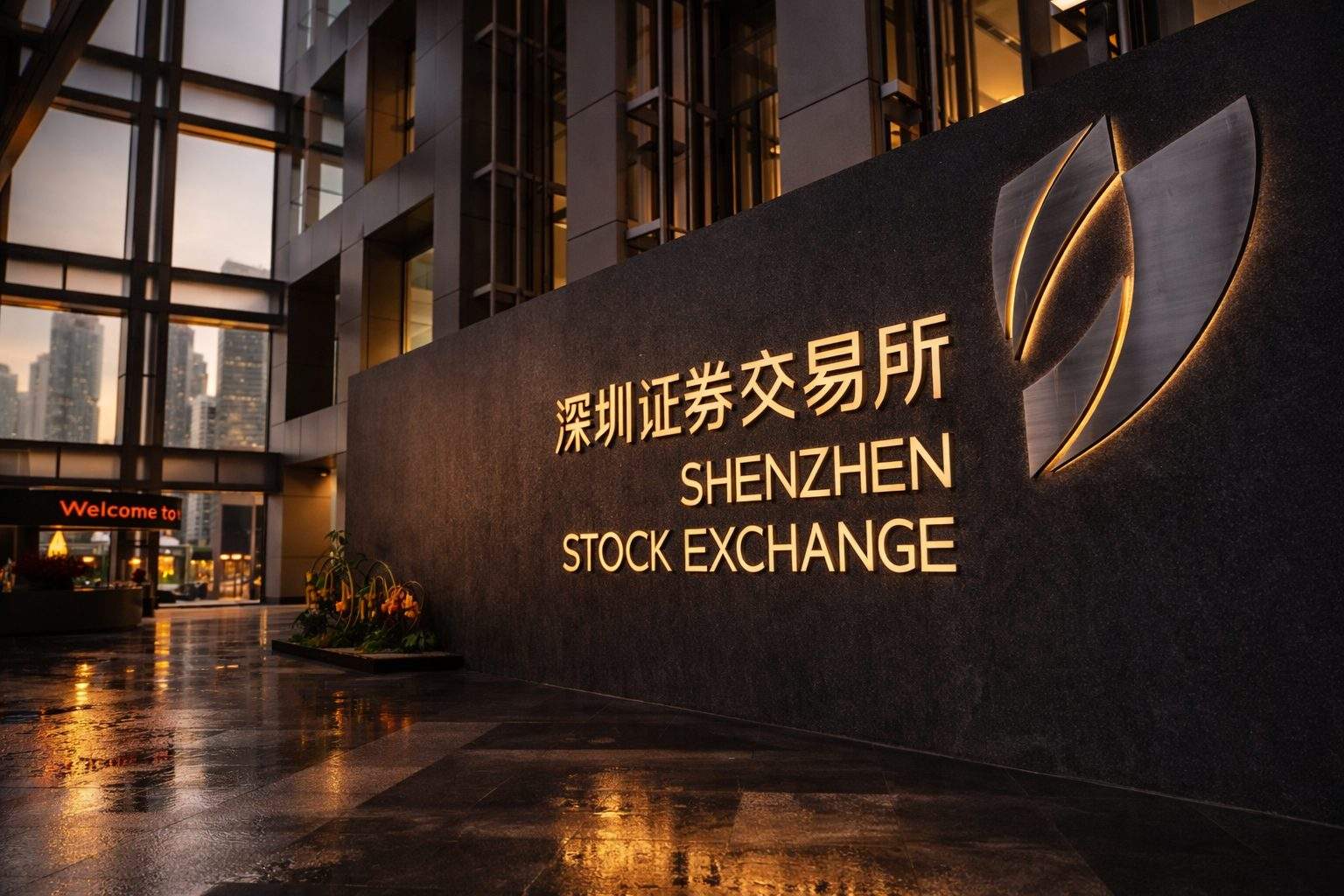
Shenzhen stocks wrapped up the week mostly flat. The Shenzhen Component Index edged down 0.06% to close at 14,495.09 on Friday, with the Nasdaq-style ChiNext board dropping 1.04% to 3,310.3. Shanghai’s main index managed a 0.39% rise. Turnover from both Shanghai and Shenzhen approached 2.49 trillion yuan. Miners in minor metals plus lead and zinc logged gains, but papermakers and electronic chemicals names came under pressure.
The timing is key, with Beijing preparing to lay out its next set of policy moves. According to Xinhua, the Communist Party’s Politburo called for “more proactive” and better-synced economic policies, supporting a “more proactive” approach on the fiscal front and keeping monetary policy “moderately accommodative.” Leaders also went over a draft government work report ahead of the annual legislature meeting coming up in March. Reuters
This week, the political schedule gets even more crowded. According to a government release, the CPPCC advisory meetings kick off on March 4, followed by the National People’s Congress starting March 5. The “two sessions” media centre began operations Feb. 27. State Council of China
Real estate is still dragging, grabbing investors’ attention again. According to a private survey, new home prices across 100 cities slipped 0.04% in February—the sharpest monthly slide in more than three years. Macquarie’s Larry Hu said recent easing moves might deliver “a short-term boost,” though he doubts they’ll shift the broader down-cycle without much heavier action. Official data for 70 cities is expected March 16. Reuters
This week’s deal flow hints at growing risk appetite, with several Shenzhen companies eyeing offshore funds. Four firms kicked off Hong Kong listings Friday—among them, Shenzhen Zhaowei Machinery & Electronics (003021.SZ) and Estun Automation (002747.SZ) are set to start trading March 9-10. “We expect the positive momentum to continue across the year,” said Art Karoonyavanich, managing director and global head of equity capital markets at DBS. He noted, however, that investors could get pickier as the deal pipeline builds. Reuters
Macro numbers could cause more turbulence soon, particularly for Shenzhen’s cyclicals and industrial exporters. China’s statistics bureau announced it will push back the monthly release for February purchasing managers’ indices to March 4, citing the Spring Festival. PMI tracks business activity through surveys—above 50 marks growth, under 50 signals a pullback.
Shenzhen traders are juggling a tricky blend right now: currency moves that might redraw exporters’ margins, a policy week poised to reset fiscal support expectations, and a property market still casting a long shadow on confidence. With its growth-stock focus, the ChiNext board reacts fast to even subtle shifts in tech policy or financing signals.
The downside is straightforward. Should the yuan’s retreat spiral out of control, or if lawmakers leave markets wanting more concrete measures to prop up demand and private investment, risk appetite may vanish in a hurry—especially in Shenzhen’s most active corners. Nerves over real estate haven’t gone away, either.
March 5 brings the next major event: the National People’s Congress kicks off, with the government work report slated to outline yearly targets and set a broad policy tone. That follows the February PMI release, which lands the day before, on March 4.