
LONDON, April 15, 2026, 19:54 BST
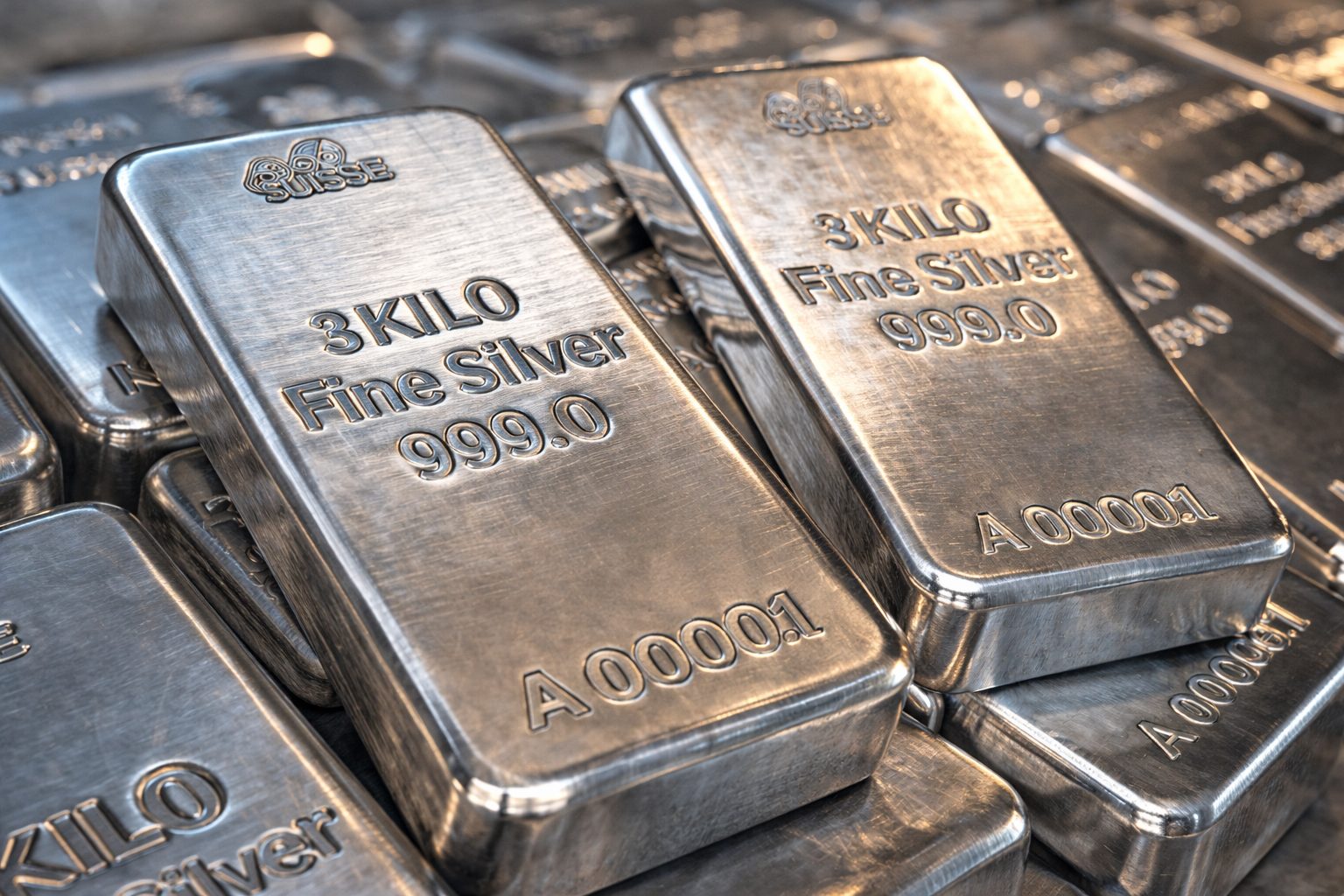
Silver pulled back slightly Wednesday. By 1:31 p.m. ET (1731 GMT), spot silver had dipped 0.2% to $79.40 an ounce—still hovering near Tuesday’s $79.48 close after that 5.2% surge.
The shift turned heads after a new survey from the Silver Institute and Metals Focus pointed to a sixth consecutive year of structural deficit—supply once again falling short of demand. According to the report, 762 million troy ounces have come out of stocks since 2021, leaving the market leaning on above-ground inventories and exposed to renewed tightness in London.
Silver surged to an all-time high of $121.6 an ounce in January, fueled by a burst of retail buying, rising U.S. stockpiles, and robust appetite for silver-backed ETPs—investment products holding physical metal. By early April, prices had slid back into the mid-$70s. Still, the Institute points to a supportive environment for silver if the uptick in U.S. rate expectations fades.
“Gold and silver are just seeing some mild and routine profit-taking after scaling overnight highs,” Jim Wyckoff, senior analyst at Kitco Metals, said. Lately, he noted, traders’ attention has shifted toward inflation and interest rates rather than bullion’s typical safe-haven appeal. Reuters
Markets got a clearer read on macro trends Tuesday. The metals complex found support from a weaker dollar and falling oil, after President Donald Trump suggested Iran war talks could restart in Pakistan within days. “If we see positive news, metals will continue higher,” said Bob Haberkorn, senior market strategist at RJO Futures. Reuters
Even so, physical supply in the market remains tight. Metals Focus figures show that out of the 884 million ounces stored in London vaults at the end of March, just 28%—not linked to ETPs—was available to back up liquidity. That’s a jump from September’s 17% low. But lease rates, the expense of borrowing the metal, haven’t fully come down, according to Philip Newman. “Lease rates in London have largely normalised, but risks of another liquidity squeeze this year remain,” he said. Reuters
The report projects a global silver deficit of 46.3 million ounces for 2026, compared with 40.3 million ounces expected in 2025. Industrial fabrication is on track to dip 3%, hitting a four-year low as the Iran war dampens growth. Coin and bar demand, though, is set to jump 18% on renewed U.S. interest.
Precious metals moved in different directions Wednesday. Gold dropped 0.9% to $4,798.89 an ounce. Platinum picked up 0.8% to finish at $2,119.52, while palladium gave up 1.1% to land at $1,570.10.
But there’s no clear path ahead. Odds of a Fed cut this year stand at about 32%. The dollar has lost most of its war premium, yet it remains above pre-conflict marks. Oil gained roughly 1% as Strait of Hormuz traffic stayed unusually light. Silver faces its own headwinds: a strong dollar, pricier energy, or any sharper decline in factory demand could drag on a metal that pays no interest and relies heavily on industry.
Broader indexes have rebounded close to where they were before the war, and crude has slipped under $100 a barrel again. Silver, though, remains far from its January record. Metals Focus notes Indian buyers returning, ETP inflows picking up in London, or a sudden swing in volatility could quickly squeeze the market.