Singapore, Jan 7, 2026, 15:38 SGT — Regular session
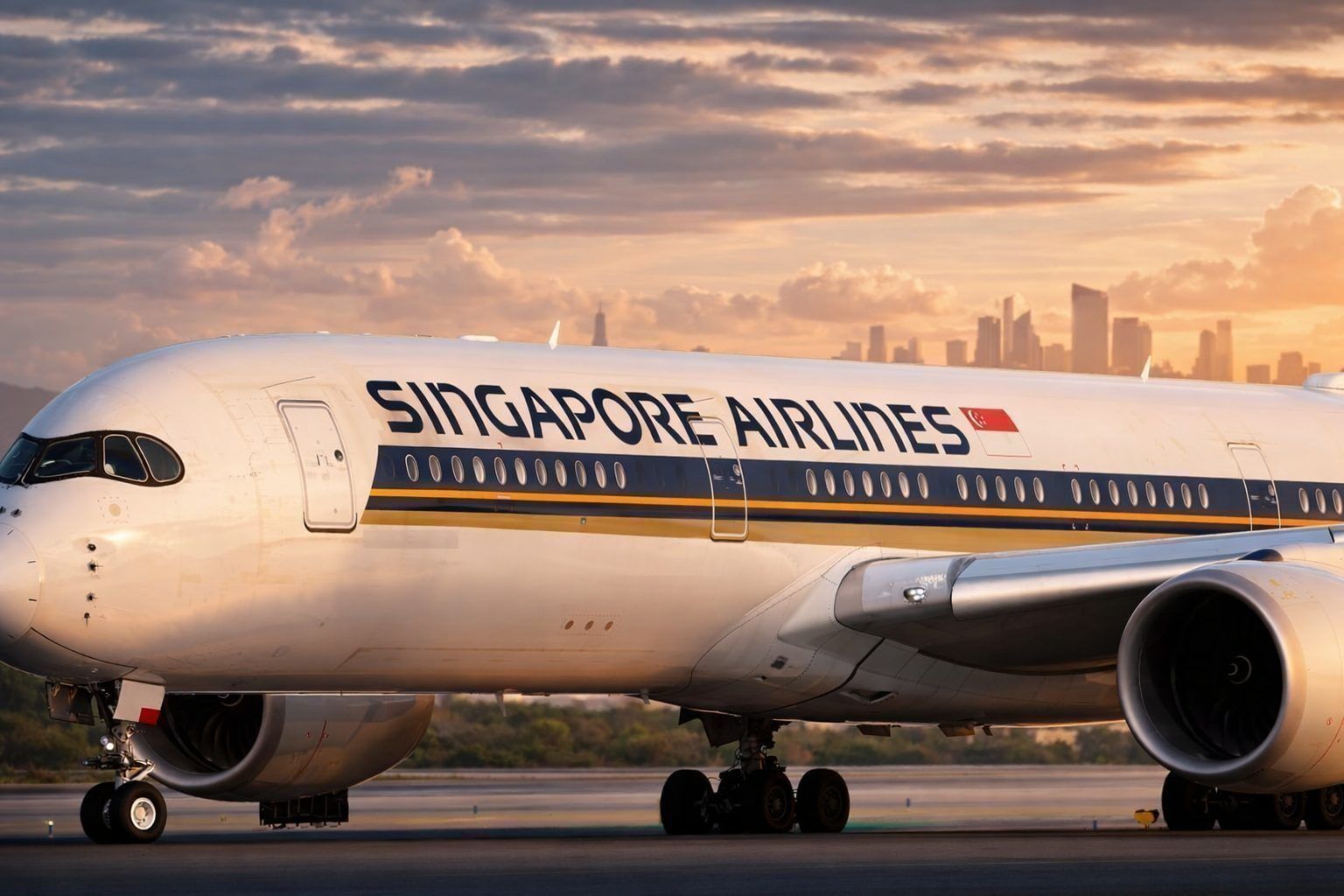
Singapore Airlines Ltd shares were up 0.2% at S$6.48 in Wednesday trading, hovering near the day’s range of S$6.41 to S$6.49. The stock has traded between S$5.90 and S$7.63 over the past 52 weeks. Investing.com
The small gain comes as oil prices slide on expectations of ample supply, a tailwind for airlines where fuel is a major cost line. Brent settled down 1.7% at $60.70 a barrel on Tuesday, and Morgan Stanley analysts said the market could swing into a surplus of as much as 3 million barrels per day in the first half of 2026. “Oil supply will be sufficient in 2026, with or without an increase in production from the OPEC member,” Tamas Varga, an analyst at PVM Oil, said. Reuters
Traders are also positioning ahead of Singapore Airlines’ third-quarter business update due on Feb. 24, with investors watching for signs of further fare pressure and any change in losses from its Air India associate. The airline is scheduled to report fourth-quarter and full-year results for the year ending March 31 on May 14, according to its investor calendar. Singapore Airlines
Local equity sentiment has stayed firm, with Singapore’s benchmark Straits Times Index closing up 1.3% on Tuesday at 4,739.97 to clear the 4,700 mark for the first time, The Business Times reported. The Business Times
Singapore Airlines last warned of margin pressure from higher costs and tougher competition. It reported first-half net profit of S$239 million in November, down 68% from a year earlier, and said losses at Air India weighed on associated-company earnings. “Much of the decline is due to a normalisation of passenger yields post COVID,” Morningstar director Lorraine Tan said, referring to passenger yield, a proxy for air fares. Reuters
The carrier has said it remains committed to its investment in Air India, even as the Indian airline works through a multi-year turnaround. “Despite the ongoing challenges, the SIA Group remains committed,” it said, while flagging risks from geopolitical tensions, macro headwinds, inflation and supply chain constraints, Channel NewsAsia reported. CNA
But airline tailwinds from cheaper oil can fade fast if crude rebounds, and weaker pricing power would hit earnings if carriers keep adding seats into key routes. A larger-than-expected drag from associates or a pullback in premium travel demand would also test sentiment.