TOKYO, January 22, 2026, 05:19 JST
- TCL plans to acquire a 51% stake in the proposed joint venture covering Sony’s TV and home-audio business
- Sony and TCL target final agreements by the end of March 2026, with operations set to begin in April 2027, subject to approvals
- The Sony and BRAVIA names are set to remain on the products
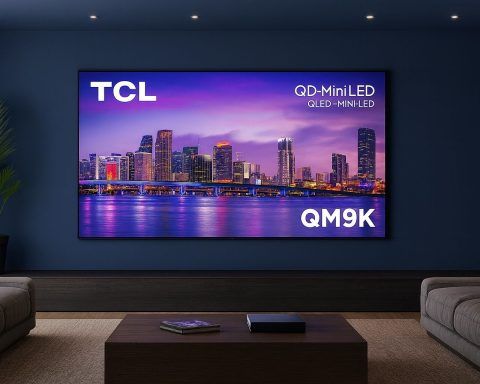
Japan’s Sony Corp and China’s TCL Electronics Holdings Ltd have inked a memorandum of understanding — a non-binding first step — to form a joint venture that will take over Sony’s home entertainment business, including BRAVIA TVs, the companies announced. TCL would own 51% of the joint venture, with Sony holding 49%. They aim to finalize agreements by the end of March 2026, and plan for the new company to begin operations in April 2027, pending regulatory approvals. Sony CEO Kimio Maki described the move as a way to “create new customer value,” while TCL chair Du Juan called it a “unique opportunity” to merge the strengths of both firms. https://www.sony.co.jp/en/news-release/202…
The proposal would hand over daily management of Sony’s TV hardware to a Chinese firm, highlighting the challenges of turning a profit in the TV business. It also offers TCL a stronger connection to a top-tier Japanese brand as it aims to move upmarket.
Sony and TCL pointed to rising demand for bigger screens and “smart” TVs as viewers shift toward streaming. Sony singled out OTT — the industry term for standalone video streaming services — along with video-sharing platforms as key drivers behind the expanding market for large TVs.
Investors wasted no time. TCL shares surged over 16% in Hong Kong, while Sony slipped 0.9% in Tokyo, Bloomberg reported. The move underscored Sony’s pullback from what Bloomberg described as a low-margin business. https://www.bloomberg.com/news/articles/20…
Sony has emphasized continuity for consumers. According to 91mobiles, the company confirmed it is not exiting the television market. The Sony name and BRAVIA branding will continue to appear on future TVs and home audio products. https://www.91mobiles.com/hub/sony-join-ve…
According to the companies involved, the joint venture would oversee the entire global operation — covering product development, design, manufacturing, sales, logistics, and customer service. Sony plans to contribute its expertise in picture and audio technology, along with operational skills like supply-chain management. TCL, on the other hand, offers its strengths in display technology, industrial scale, and a vertically integrated supply chain.
The deal comes in a crowded TV market where price slashing has squeezed margins, making scale a key survival factor. TCL, once known for budget models, is now challenging heavyweights like Samsung Electronics and LG Electronics, especially in the LCD TV segment.
Change won’t come fast. Sony and TCL plan to run their current product lines through 2027, since operations won’t start until April that year. Any noticeable shifts in their offerings will probably arrive down the line.
The Verge pointed out that the memorandum of understanding isn’t a firm deal yet, and the plan could fall apart during negotiations or regulatory scrutiny. It also highlighted concerns around legacy TV brands losing strength once they leave the hands of their original owners—a fear shared by Sony’s longtime customers. https://www.theverge.com/tech/864745/sony-…
Execution remains the biggest unknown. The companies must finalize terms, navigate regulatory approvals, and merge operations carefully to protect Sony’s premium image. Key decisions loom on software, marketing strategies, and the extent to which TCL’s methods will influence BRAVIA-branded TVs.