
STARBASE, Texas, May 21, 2026, 15:15 CDT
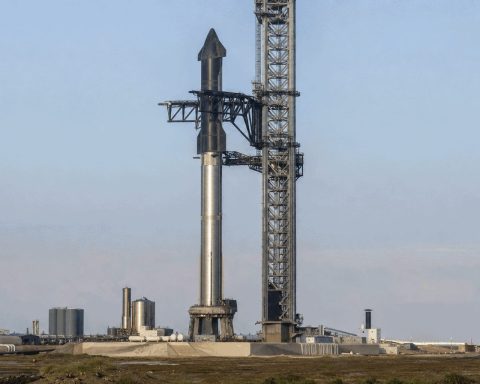
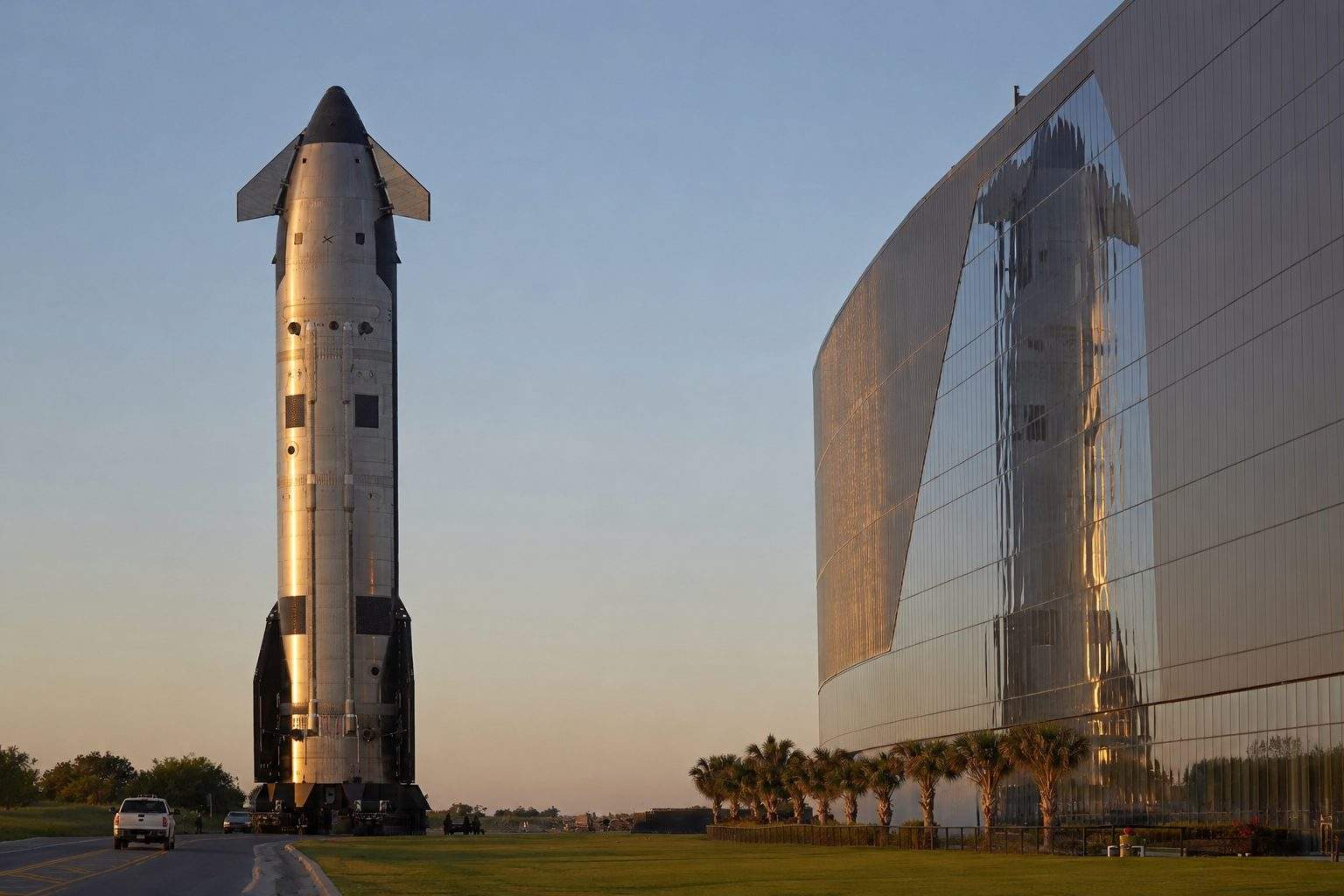
SpaceX said it is on track to launch the first Version 3 Starship from its Starbase facility in South Texas on Thursday, a test that will try to prove the updated rocket is ready for more regular satellite launches, future lunar landings and possible reuse.
SpaceX has a 90-minute launch window starting at 5:30 p.m. local time for Flight 12, the next suborbital test of Starship. If it launches, this will be Starship’s first test flight of 2026 and the 12th since SpaceX started flying the fully integrated vehicle in 2023.
Timing is key here. Version 3 is the Starship model that SpaceX is depending on for bigger payloads, in-space refueling, and Artemis missions for NASA. Investors are watching the launch before SpaceX’s expected IPO next month, according to Reuters. PitchBook’s Franco Granda called it the “single most important pre-IPO catalyst” SpaceX has left. Reuters
SpaceX’s new rocket stands about 407 feet tall, matching up Booster 19 with Ship 39 as its upper stage. According to Spaceflight Now, Booster 19 is set to splash down in the Gulf of Mexico, with Ship 39 aiming for the Indian Ocean after a flight a bit over an hour.
SpaceX isn’t planning to catch either stage at Starbase on this mission. That’s less dramatic than the tower-catch tests used earlier but shows the company is running Starship’s new version as a shakedown flight. Booster 19 will aim for a landing burn and splash down offshore about seven minutes after liftoff.
SpaceX plans to deploy 20 Starlink simulator satellites and two altered Starlink satellites from the upper stage. The company said those modified units will look at Starship’s heat shield and send images to operators. That check links to plans for bringing the vehicle back to its launch site.
Starship’s flight plan has a Raptor engine relight while Ship 39 is coasting in space, an important step since future orbital flights will need restart capability for the return to Earth. After that, Starship will try out its reentry handling and attempt a controlled splashdown in the Indian Ocean.
Spaceflight Now says Starship V3 is built to haul at least 100 metric tons to orbit, a big jump from what SpaceX’s Falcon 9 can do. The new version is key for rolling out bigger Starlink satellites and could cut launch costs if SpaceX gets to full reuse.
NASA has a role here too. The agency said Artemis III, set for 2027, will try out docking between Orion and commercial lunar landers from SpaceX and Blue Origin. Artemis IV is supposed to back the next U.S. astronaut landing on the Moon. Jeremy Parsons, a senior NASA Moon-to-Mars official, called Artemis III “an important stepping stone” for that landing. NASA
Blue Origin’s Blue Moon lander is now in the mix. NASA doesn’t want to depend on only one lunar-lander provider, so its plan keeps both SpaceX and Blue Origin moving toward the next Artemis test phase.
Big risk here: SpaceX is using a heavily updated rocket and plans to land at sea, not go for a pad catch. A setback like a delay, engine issue, or heat-shield snag wouldn’t kill the program but could push back orbital flights and squeeze NASA’s lunar schedule even more.
SpaceX has seen better results in testing after a string of early failures. According to Space.com, the last two Starship missions—Flights 10 and 11—achieved their main targets, hitting booster splashdowns and managing upper-stage payload deployments. That sets up a higher bar for Thursday’s flight, though it won’t be straightforward.
Related articles: Space