
DANIA BEACH, Florida, May 4, 2026, 10:49 EDT
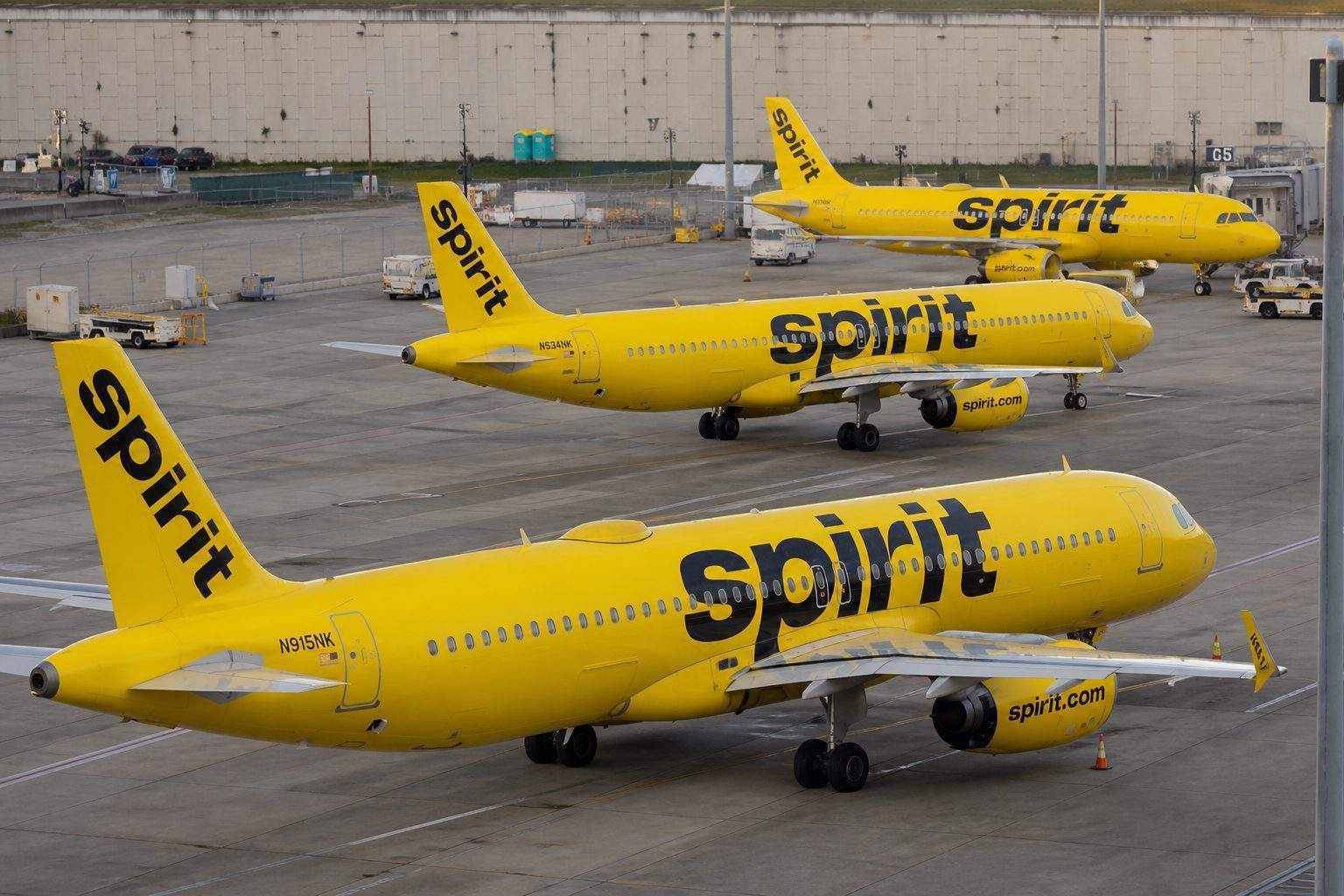
Spirit Aviation Holdings Inc. pushed ahead Monday to shift its bankruptcy from a planned turnaround toward an outright asset sale, filing to wind down operations after Spirit Airlines halted passenger flights early Saturday. According to Bloomberg Law, the company wants to revise its bankruptcy financing, aiming to offload assets like aircraft, spare engines, and parts.
This comes at a crucial point, since Spirit has grounded its fleet. The parent company informed the U.S. Securities and Exchange Commission it won’t be submitting periodic or current reports anymore, unless legally obligated. Spirit Aviation Holdings—the parent of Spirit Airlines LLC—has been sitting in Chapter 11 bankruptcy proceedings in the Southern District of New York since Aug. 29, 2025.
Spirit canceled every flight, warning travelers to stay away from the airport. The carrier pointed to rising oil costs and mounting business pressures, which it said have squeezed its outlook and left it unable to secure more funding.
Spirit president and CEO Dave Davis said the March restructuring agreement with bondholders was aimed at keeping the airline alive. Still, according to Davis, the carrier just didn’t have the “hundreds of millions” in liquidity needed to keep flying.
With the collapse, a major discount player exits U.S. leisure routes just as the summer travel rush kicks in. Cirium data cited by Reuters shows Spirit had lined up 4,119 domestic flights for May 1 to May 15—good for 809,638 seats.
JetBlue Airways and Frontier Group jumped into the opening. Both stocks gained on Monday, with investors wagering these airlines might grab more travelers—and pricing leverage. JetBlue plans to launch flights to 11 new cities out of Fort Lauderdale, targeting nearly 130 daily departures this summer.
TD Cowen’s Tom Fitzgerald sees the Blue Sky alliance between United Airlines and JetBlue as “best positioned to capture” Spirit’s revenue in the long run. While Frontier shares more direct routes with Spirit, Fitzgerald pointed to JetBlue’s loyalty partnership as potentially giving it an edge in Fort Lauderdale, Orlando, and Newark. Reuters
Rising fuel costs threw a wrench into Spirit’s already slimmed-down plan. According to Reuters, the airline’s restructuring counted on jet fuel running about $2.24 a gallon in 2026. By late April, though, that price had nearly doubled to $4.51. Jet fuel eats up about 25% of an airline’s operating budget. Mohamed El-Erian, economist and senior global fellow at Wharton, told Reuters the war’s ripple effects could tip “fragile businesses over the edge.” Reuters
Passengers face a refund process instead of scrambling to rebook. Spirit stated it will automatically refund credit and debit card purchases made directly through the airline. As for vouchers, credits, and Free Spirit points, those will be addressed later in bankruptcy proceedings. The restructuring site noted there’s no longer a customer call center or email available for refund questions.
The process could drag on and turn messy, Spirit cautioned, pointing to potential court holdups, mounting costs, challenges from creditors, and outside parties pushing back. The company also said common shareholders are likely facing a total wipeout.
This wraps up after a string of unsuccessful rescue attempts. JetBlue’s $3.8 billion bid to acquire Spirit ran aground when a federal judge halted the deal on antitrust concerns in January 2024; before that, Frontier had tried to merge with Spirit as well.
Related articles: Airlines