
NEW YORK, May 8, 2026, 18:03 (EDT)
Friday saw the S&P 500 and Nasdaq notch fresh records, lifted by a robust U.S. jobs print and continued momentum in AI chip names. The S&P 500 ended the session up 0.84% at 7,398.93. The Nasdaq surged 1.71% to 26,247.08. Not much movement for the Dow Jones Industrial Average, which finished at 49,609.16, according to Reuters.
That timing proved key. Investors came in bracing for evidence the U.S. economy was cracking under pricier energy and geopolitical stress, but the payrolls print pointed instead to sturdier growth. Odds of rapid Fed easing slid. Stocks notched fresh records on those signs of labor-market resilience, Bloomberg reported, and the chipmaker index surged—up 11% since the previous Friday.
The Bureau of Labor Statistics reported a 115,000 increase in total nonfarm payrolls for April, with the unemployment rate sticking at 4.3%. Health care led the way, picking up 37,000 jobs. Transportation and warehousing followed, up 30,000. Retail posted a gain of 22,000. Federal government payrolls shrank by 9,000, and the information sector lost 13,000 positions.
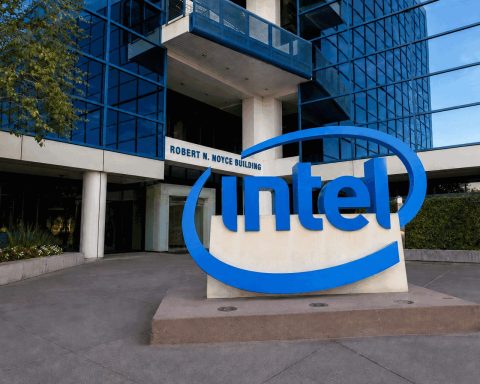
Chip stocks put some bite into the rally. According to The Wall Street Journal, Intel, Micron and Sandisk saw gains, riding a wave of upbeat tech earnings and some relief around AI spending. Intel got a boost following news of an early chip-making agreement with Apple. The Journal also pointed out the S&P 500 finished the week up 2.3%, while the Nasdaq posted a 4.5% jump—marking its strongest six-week run since 2009.
The earnings picture gave stocks another lift. S&P 500 companies are now expected to post nearly 29% profit growth for the first quarter versus last year, Reuters reported, citing LSEG I/B/E/S. That surge has been powered mostly by AI-focused firms. “It’s an economy hard to wreck,” said Rob Williams, chief investment strategist at Sage Advisory Services, singling out gains in productivity, robust spending, wealth effects and solid earnings. Investing.com
The jobs report didn’t trigger a single, clear reaction in markets. Robert Pavlik, senior portfolio manager at Dakota Wealth, called the 115,000 job increase “not gangbusters”—still, he said, it was enough to put investors’ nerves at ease about the economy stalling out. For Peter Cardillo, chief market economist at Spartan Capital Securities, the numbers simply keep the Fed’s attention fixed on inflation, not employment. Reuters
Wall Street strategists aren’t backing off from the AI trade. RBC Capital Markets bumped its S&P 500 year-end target to 7,900, up from 7,750, citing solid earnings and momentum in AI-related sectors holding up valuations. The rally, they noted, has persisted through stubborn inflation, unclear timing on rate cuts, and ongoing geopolitical tensions.
Still, not everything rallied. Cloudflare tumbled—its second-quarter outlook underwhelmed, and a hefty round of layoffs didn’t soothe nerves. CoreWeave also slumped, pressured by a loss that overshot estimates. The price action made it clear: investors aren’t letting companies off the hook when AI-related spending, cost structures, or profit margins slip into murky territory.
Jobs data showed some cracks. The number of Americans working part time for economic reasons jumped by 445,000, reaching 4.9 million, Reuters noted. Meanwhile, payroll growth averaged just 48,000 over the past three months. Scott Anderson, chief U.S. economist at BMO Capital Markets, called the labor market’s push-pull an “uneasy balance,” and said that doesn’t give the Fed a strong case to change course. Reuters
Steady hiring plus robust tech earnings are persuading investors to look past concerns over oil, rates, or the Iran conflict for now. The next leg of this rally looks likely to hinge less on a single jobs report and more on whether inflation figures and corporate outlooks continue to justify the current positioning.
Related articles: NASDAQ:INTC



![Asia Stock Market Today 26/08/2026 [UPDATE: 07:03 SGT] [Korea Opens Block Trading After Asia’s Broad Rebound]](https://ts2.tech/wp-content/uploads/2026/08/Asia-market-dashboard-2026-08-26-0703-480x384.jpg "Asia Stock Market Today 26/08/2026 [UPDATE: 07:03 SGT] [Korea Opens Block Trading After Asia’s Broad Rebound]")