
LONDON, May 30, 2026, 12:35 (BST)
Oil futures sank this week, dropping as traders looked for a U.S.-Iran ceasefire to ease shipping risks in the Gulf. Brent crude closed at $92.05 a barrel on Friday. West Texas Intermediate finished at $87.36. “The market seems to regard the ceasefire as easy-peasy and is done and dusted,” said John Kilduff at Again Capital. He added he was “surprised prices aren’t higher.” Reuters
Oil sold off ahead of any formal political deal. The U.S. and Iran have a tentative plan to keep a ceasefire and open shipping lanes in the Strait of Hormuz, which handles about 20% of global oil and LNG, according to Reuters. But President Donald Trump hadn’t signed off, and Iranian state media said there was no final text.
Cheaper crude is giving fuel buyers a break after months of higher prices from the war. But refiners and tanker companies are still focused on whether flows will return to normal, and if insurers and shipowners are willing to take on the risk.
Physical supply is still tight. U.S. commercial crude stocks, not including the Strategic Petroleum Reserve, dropped by 3.3 million barrels last week to 441.7 million barrels, which is 2% under the five-year average. Gasoline inventories fell by 2.6 million barrels, and supplies of distillate fuel — diesel and heating oil — slid 2.1 million barrels, according to the Energy Information Administration.
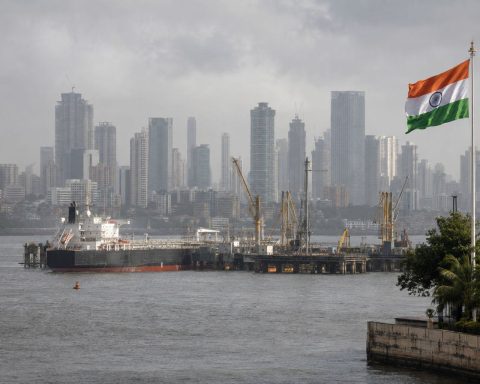
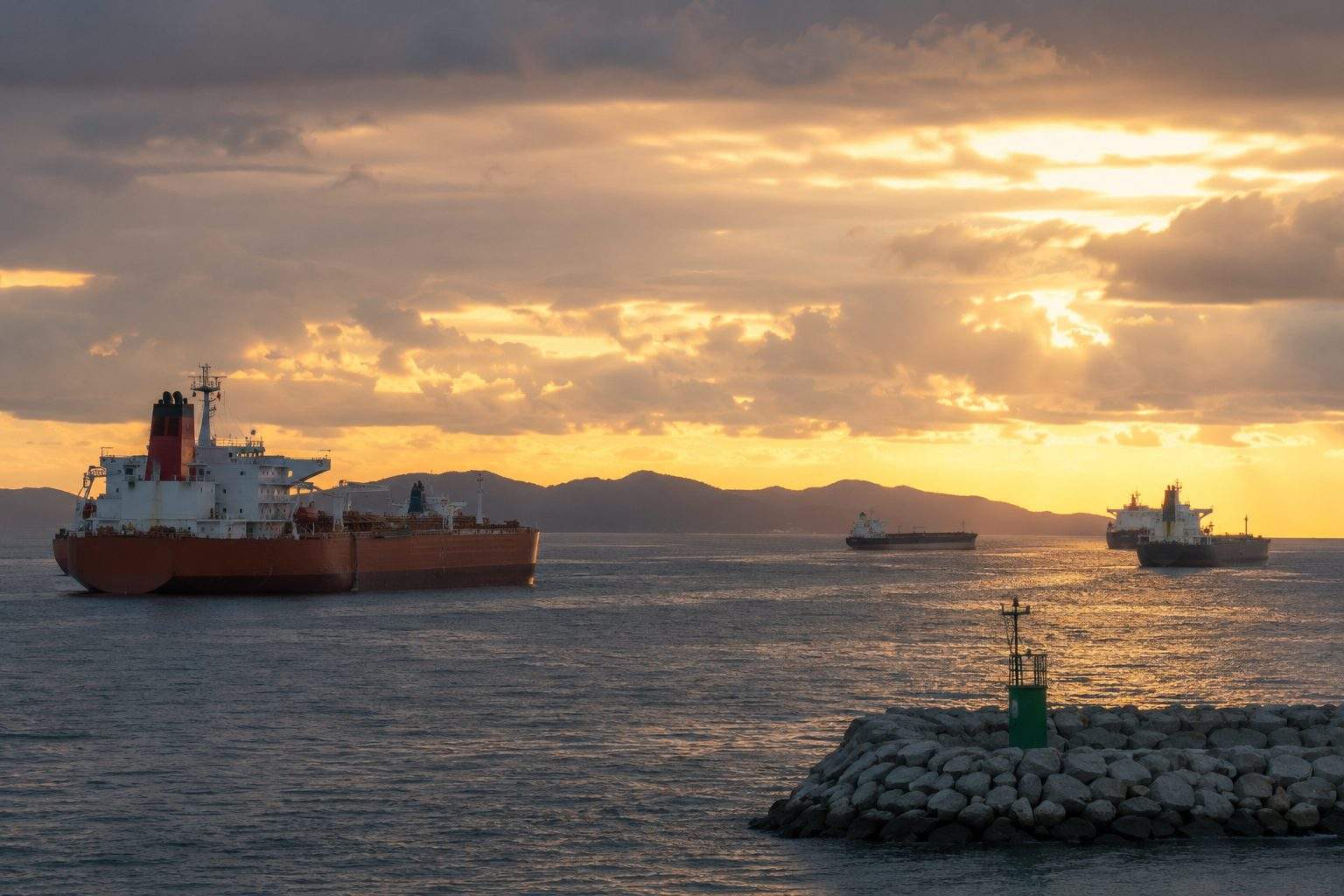
Shipping data sent mixed messages. Two supertankers and an LNG tanker exited Hormuz earlier this week with their transponders off and were headed for India and China, according to LSEG and Kpler. But oil and LNG traffic in the strait was still low. Before the war, about 125 to 140 vessels passed through daily.
Chevron CEO Mike Wirth told Bloomberg TV the company won’t pay a toll to get its ships through Hormuz. He said there have been “multiple incidents” with vessels in recent days. Trade isn’t likely to go back to normal until shipowners and insurers are comfortable, Wirth said. Reuters
Asia’s energy markets show how the reopening debate is tied to real cargo. Japanese crude imports slid almost 66% in April year-on-year, down to 850,000 barrels a day—hitting lows not seen since 1962—with Middle East supply hampered. Imports from top suppliers Saudi Arabia and the United Arab Emirates both dropped at least 60%.
Analysts aren’t calling last week’s drop a full reset. In a Reuters poll of 33 economists and analysts, the 2026 Brent crude estimate was raised to $90.44 a barrel from $86.38 a month ago. WTI is forecast at $84.63. Surabhi Menon at EIU said chance is “low” for new record prices this year. UniCredit’s Tobias Keller pointed to “not quotas but the inability to physically move incremental barrels” as the main constraint. Reuters
OPEC+ is up next with a producer update. Seven top members look set to talk about raising July output targets by around 188,000 barrels per day at their June 7 meeting. But with disruptions around Hormuz, some of the group can’t pump more oil yet.
The weekend bet has risks. If the deal gets rejected or pushed back, or if there are new attacks, or if insurers and tanker owners take their time coming back, supply could tighten fast and much of the selloff might snap back. Inventories are already down, Asian buyers still aren’t getting usual volumes, and the market has jumped or dropped by multiple dollars on just one Hormuz headline before.
Looking at the week ahead, traders are set to focus on formal U.S. and Iranian sign-off, then actual tanker traffic through the strait. After that, attention will likely shift to the numbers—tankers moving, destinations, and whether refiners start to receive crude missed during April and May.