
New York, January 19, 2026, 09:56 EST — Market closed
- On Friday, Tesla finished slightly lower, down 0.24% at $437.50.
- Canada’s fresh quota on China-made EV imports might revive a supply channel Tesla tapped prior to tariffs.
- Another key date looms before Tesla’s Jan. 28 earnings: a deadline tied to battery-material supplies.
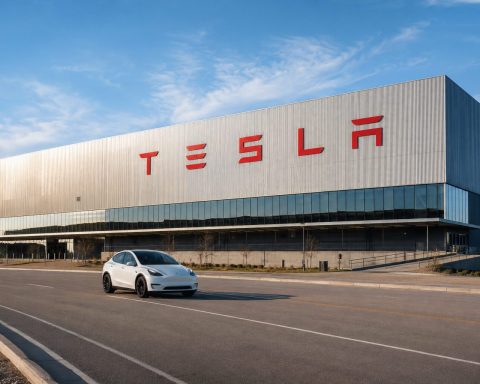
Tesla stands to gain early from Canada’s decision to allow a capped number of China-made electric vehicles (EVs) back under the 6.1% “most-favoured nation” tariff—the regular rate for many trading partners. Sam Fiorani at AutoForecast Solutions said exports could ramp up “rather quickly.” The deal, announced Friday, sets a yearly quota of 49,000 vehicles, with half allotted to models under C$35,000 ($25,189)—a price point Tesla doesn’t hit. Still, Yale Zhang, managing director at AutoForesight, noted Tesla’s “simple production lines” give it the agility to shift supply. Tesla shares dipped 0.24% to close at $437.50 on Friday, after trading between $435.36 and $447.09 on around 60 million shares; U.S. markets will be closed Monday for the Martin Luther King Jr. Day holiday. Reuters
Wall Street is closed, leaving investors on Tuesday without much in the way of fresh headlines. Tesla faces a familiar tangle of supply issues and political challenges: where its cars are manufactured, which tariffs come into play, and how fast it can shift production when regulations change.
Tesla’s upcoming earnings report is looming, and with the holiday-thinned market, it’s already affecting how investors are positioning themselves. The company plans to release its results after market close on Wednesday, Jan. 28, followed by a webcast and Q&A session later that day.
Tesla geared up its Shanghai factory to produce a Canada-specific Model Y, shipping cars from China to Canada throughout 2023. But Ottawa’s 2024 tariffs forced a shift. Now, Tesla sends Model Ys from Berlin to Canada, while most Model 3s still come out of China. The company sells through 39 stores across Canada.
Another supply-chain snag has surfaced. Australia’s Syrah Resources announced it and Tesla have, for the third time, agreed to push back a deadline to resolve an alleged breach of their graphite supply deal. The new cure date is March 16, 2026, pending approval from the U.S. Department of Energy. Syrah insists it’s not in default, but Tesla retains the right to terminate if the anode material from Syrah’s Vidalia, Louisiana plant doesn’t meet specs by Feb. 9.
Policy risks remain front and center. At the Detroit Auto Show, Trump administration auto officials pushed for rolling back vehicle emissions rules, claiming it would lower car prices and arguing against government nudges towards EVs. The environmental group NRDC fired back, saying such rollbacks would actually hike fuel costs for drivers. For Tesla and other EV makers, changes in U.S. regulations and incentives directly impact demand momentum.
The Canada quota includes a price carve-out targeting lower-cost vehicles, a move U.S. officials have already taken issue with. This raises a recurring challenge: even when the numbers add up, political and timing hurdles can derail progress.
The downside is straightforward. Should the Canadian quota lean toward cheaper imports, Tesla could struggle to leverage its China production to boost market share. On top of that, any fresh issues with battery-material qualification would only muddy the waters, exactly when investors are craving clear guidance.
Trading picks up again Tuesday, but all eyes will be on Jan. 28 — when Tesla reports earnings and management fields questions. After that, investors will watch how Canada rolls out the quota and whether the Syrah dispute remains under control.
Related articles: NASDAQ:TSLA