
Burbank, California, May 2, 2026, 13:03 (PDT)
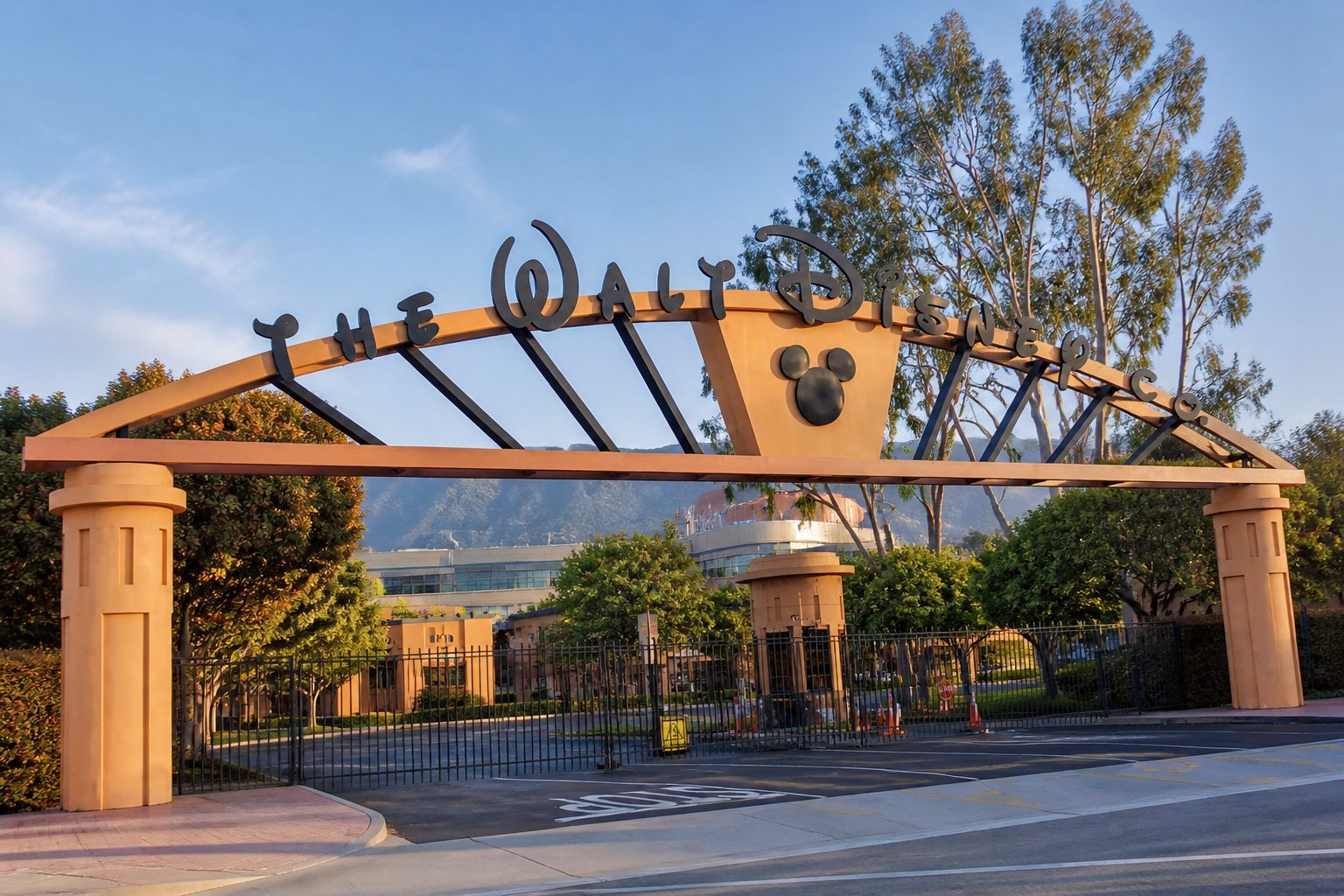
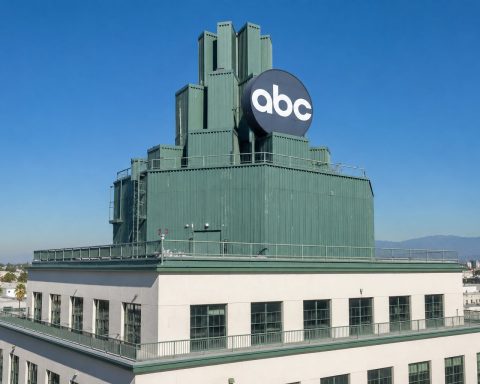
The Walt Disney Company faces an unexpected regulatory challenge tied to eight ABC television licenses, as the U.S. Federal Communications Commission has called for early renewal filings. FCC Chair Brendan Carr, for his part, said the White House did not pressure him to kick off the review.
Timing is key here. Disney is set to release its fiscal second-quarter results before the bell on May 6, with ABC—one of the company’s legacy media brands—coming under the microscope right when investors are already juggling questions on theme park demand, streaming profitability, and the outlays tied to sports.
U.S. markets remain shut over the weekend. Disney finished Friday at $103.08, off 64 cents. That leaves investors waiting until Monday for a chance to respond to the latest remarks.
The FCC said in an order out April 28 that it’s looking into Disney, ABC, and their subsidiaries for potential breaches of the Communications Act and FCC rules, specifically the prohibition on unlawful discrimination. The order requires Disney’s ABC to submit license renewal applications for every licensed TV station it owns within 30 days—so, by May 28.
The order lists out KABC-TV in Los Angeles, WABC-TV in New York, Chicago’s WLS-TV, KGO-TV in San Francisco, WPVI-TV in Philadelphia, KTRK-TV in Houston, Durham’s WTVD, and KFSN-TV in Fresno. A broadcast license grants a station the right to operate on public airwaves, as required by the government.
Carr on Thursday said the FCC reached its decision internally. “There was no pressure from the outside,” he said. The review, Carr noted, focused on Disney and ABC’s diversity practices—not their programming. DEI, or diversity, equity and inclusion, refers to workplace and hiring policies designed to expand representation. Reuters
Politics loom large here. Reuters noted the review came just a day after President Donald Trump called on ABC to dismiss late-night host Jimmy Kimmel. Carr’s take: the FCC “should not operate as the speech police.” Reuters
Disney insists it has “a long record” of following FCC rules and stands ready to back that up in court, according to Reuters. The National Association of Broadcasters, for its part, called the early review “nearly unprecedented,” warning it brings “significant uncertainty for all broadcasters.” Reuters
Legal experts aren’t expecting harsh penalties here. Katie Fallow at Columbia University’s Knight First Amendment Institute described the timing as “highly suspect” in comments to CBS News. New Street Research’s Blair Levin echoed that, calling the order’s timing “strong evidence” that Trump’s push to fire Kimmel was behind it. CBS News
The risk here isn’t an abrupt signal cut. Andrew Jay Schwartzman, a public-interest attorney with a media focus, told CBS News that the bar for stripping a license is “insurmountable.” Robert Corn-Revere at the Foundation for Individual Rights and Expression flagged that content complaints could land the FCC “a whole lot of trouble under the First Amendment.” CBS News
It’s a tense stretch for Disney, with the fight breaking out just as the company posts fiscal first quarter numbers. Revenue climbed 5% to $26 billion. The experiences division — covering parks, cruises, and consumer products — delivered $10 billion in sales. Streaming’s operating income surged 72%, reaching $450 million. Sports, though, took a hit, after losing ground in a YouTube TV carriage spat.
The peer comparison isn’t broad, yet it’s there. Comcast’s NBCUniversal shares more broadcast overlap with Disney than Netflix does—Netflix, unlike the other two, isn’t tangled in the local-station license question. Carr wouldn’t confirm if Comcast and NBC might get the same scrutiny.
Related articles: NYSE:DIS

![Asia Stock Market Today 28/08/2026 [UPDATE: 00:51 SGT] [Salesforce Leads KASE Global Into Final Minutes After Asia’s Split Close]](https://ts2.tech/wp-content/uploads/2026/08/Asia-market-dashboard-2026-08-28-0051-480x384.jpg "Asia Stock Market Today 28/08/2026 [UPDATE: 00:51 SGT] [Salesforce Leads KASE Global Into Final Minutes After Asia’s Split Close]")