New York, Jan 5, 2026, 08:46 (EST)
- U.S. Treasuries are set for their first gains in a week, pushing yields lower.
- Traders are watching oil swings and Venezuela fallout for inflation signals.
- Markets are pricing two Fed rate cuts in 2026, with a smaller chance of a third.
U.S. Treasury yields slipped on Monday as government bonds headed for their first gains in a week, with a pullback in oil prices easing near-term inflation worries. The 10-year yield fell about three basis points to 4.17%, while the two-year yield dipped to 3.46% — moves measured in basis points, or one-hundredth of a percentage point. Bloomberg
The move matters because Treasury yields act as a baseline for borrowing costs across the economy, from mortgages to corporate debt. A steady drift lower can loosen financial conditions even before the Federal Reserve changes rates.
Traders have started the year trying to balance two forces that often fight each other: stubborn inflation pressure versus signs the economy is cooling. Bond investors are also wary that geopolitics can feed back into inflation through energy prices.
Oil prices swung between gains and losses but held near recent levels as traders weighed the U.S. capture of Venezuelan President Nicolás Maduro and Washington’s stance on Venezuelan crude exports. Brent was up 37 cents at $61.12 a barrel by 1244 GMT, while U.S. West Texas Intermediate rose 41 cents to $57.73, with analysts pointing to ample global supply as a buffer against near-term disruption. Reuters
Crude matters for bonds because it can shift inflation expectations quickly. When energy prices soften, investors often see less risk that inflation stays high enough to keep the Fed restrictive.
Exness analyst Krisada Yoonaisil said markets were bracing for a data-heavy week and a fresh round of central bank messaging. “The market may remain on the sidelines, and new data will shape the outlook for the U.S. dollar and interest rates,” Yoonaisil said. Bitget
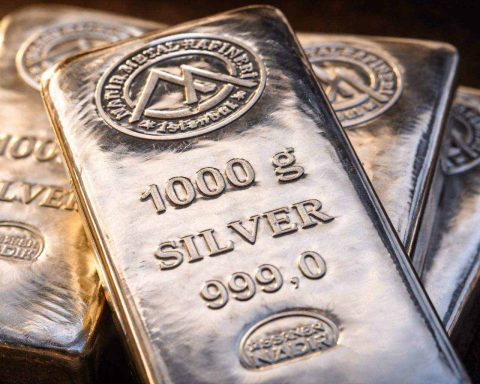
Moves were not confined to the U.S. bond market. Germany’s benchmark 10-year Bund yield slipped 1.5 basis points to 2.9%, while spot gold rose about 2% to $4,418 an ounce, as investors hedged without dumping risk assets wholesale. Reuters
The focus now shifts to U.S. indicators that can reset rate expectations quickly, starting with the ISM manufacturing survey due later Monday and culminating with Friday’s monthly jobs report. Fed officials are also scheduled to speak this week, keeping traders sensitive to any hint that policymakers want to push back on easing bets. Reuters
The two-year yield tends to track expectations for the Fed’s policy path because it matures quickly and reflects where investors think short-term rates are heading. Longer maturities such as the 10-year also embed views on longer-run inflation and growth.