
Washington, April 22, 2026, 11:08 EDT
The Trump administration is close to signing off on a loan of up to $500 million for Spirit Airlines, Bloomberg and The Wall Street Journal reported. As part of the deal, Washington is expected to pick up warrants—essentially giving it the right to buy stock down the line—in the troubled discount airline. While the rescue terms aren’t set in stone yet, such a move would mark an unusual direct intervention by the federal government in a single carrier.
This kind of rescue isn’t typical—Washington usually steers clear of bailing out single airlines except in sweeping industry emergencies. Now, the White House is also pushing back against any United-American merger talk. Spirit, with its 14,000 employees, is at risk; if it goes under, regulators lose a player they once said helped keep ticket prices in check.
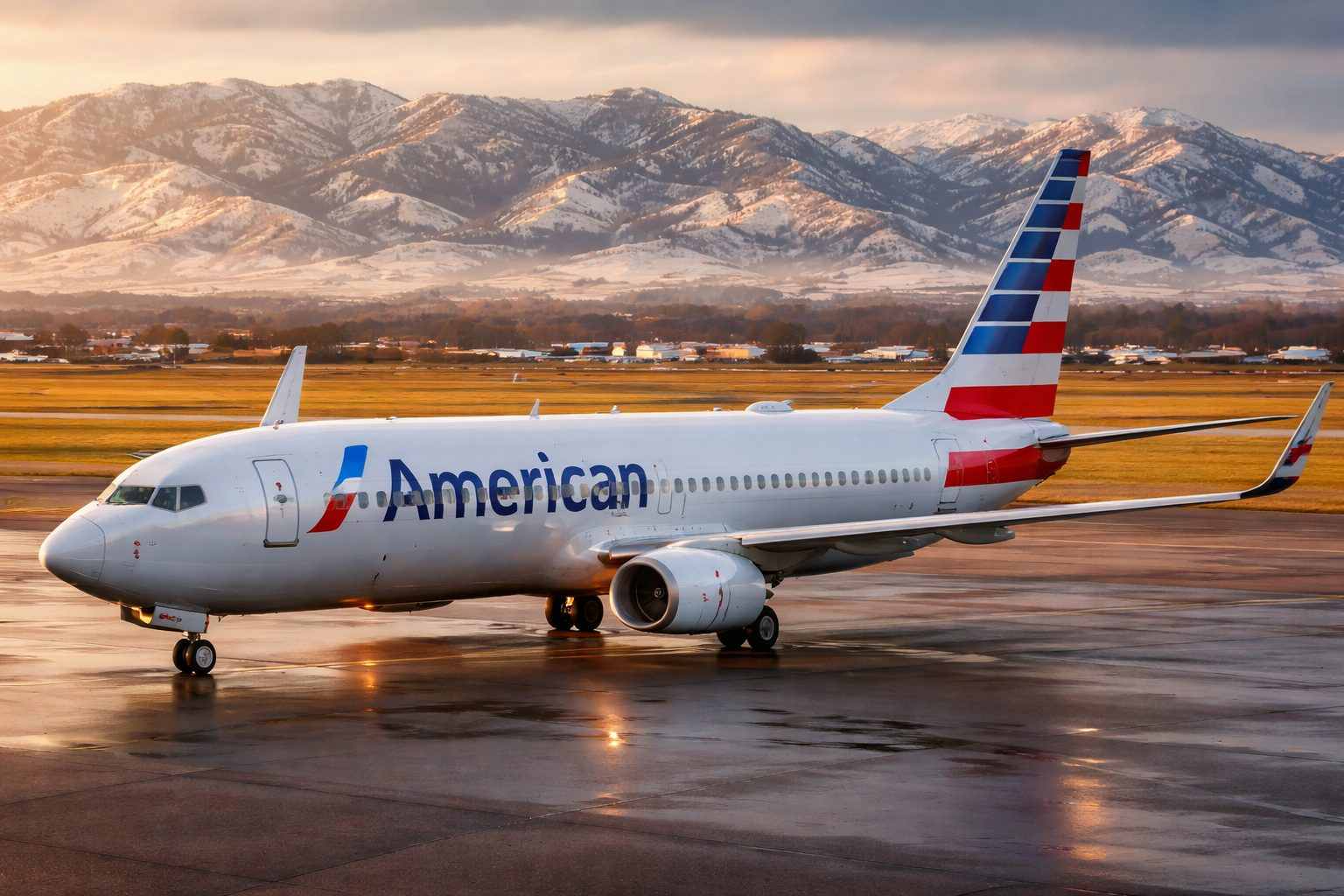
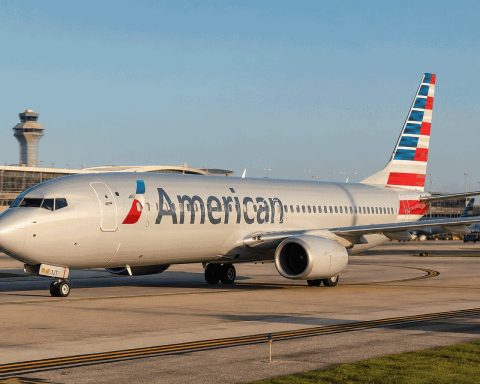
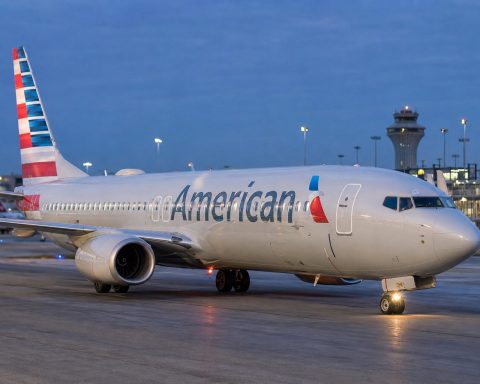
On Tuesday, Trump said he’d “love somebody to buy” Spirit, even suggesting federal assistance, but he made it clear he doesn’t support a merger between United Airlines and American Airlines. By Friday, American put the brakes on speculation, stating it wasn’t in discussions and called the idea of a United tie-up “negative for competition and for consumers.” Reuters
Transportation Secretary Sean Duffy struck a cautious note, saying officials are looking into Spirit’s alternatives but cautioning that any bailout might just be “good money after bad.” He also made it clear that United CEO Scott Kirby still has work to do convincing the administration that a tie-up with American would actually help travelers. Reuters
Spirit scrambled for emergency funding last week after surging fuel costs once again cast uncertainty on its bankruptcy exit strategy. On April 17, Reuters reported the airline had turned to Washington, seeking several hundred million dollars in urgent assistance to stave off potential liquidation.
The numbers don’t budge. Spirit’s outlook for 2026 depends on jet fuel averaging $2.24 a gallon, sliding to $2.14 the following year. But by mid-April, spot prices were hovering closer to $4.24. That gap is brutal: J.P. Morgan figures if fuel stays this expensive, Spirit’s 2026 operating margin could plunge to negative 20%, piling on around $360 million more in costs.
Spirit has flagged that the surge could deal an “immediate and substantial negative impact” to its results. Citibank, representing the revolving credit lenders, told the bankruptcy court the current restructuring plan doesn’t spell out how Spirit would fare if fuel prices remain elevated. The bank also cautioned that if creditors move to repossess engines and spare parts, the plan could quickly collapse into liquidation. Reuters
Just last month, Spirit told investors it aimed to exit bankruptcy protection by early summer, planning to cut its fleet down to between 76 and 80 planes. The company filed for bankruptcy a second time in August 2025, following its emergence from a previous bankruptcy in March 2025. Earlier takeover talks with JetBlue and Frontier fizzled out.
As for mergers, outside experts aren’t holding out much hope. William Kovacic, who leads George Washington University’s competition law center, called a United-American tie-up “seems hopeless” due to overlapping routes. Antitrust attorney Seth Bloom pointed out the deal would hand airlines more pricing power in a sector where four major players already dominate. Reuters
The rescue remains in limbo. Bloomberg reported the negotiations haven’t wrapped up, and Duffy has raised doubts about Spirit’s ability to turn profitable, warning that federal aid might simply postpone what’s coming. If fuel prices stay elevated and a buyer doesn’t materialize, Washington could be left holding a stake in an airline that needs either more time, deeper concessions, or both.
Related articles: NASDAQ:UAL
![US Stock Market Today 08/25/2026 [UPDATE: 00:06 EDT] [Micron and Sandisk Turn Green as QQQ Gains Overnight]](https://ts2.tech/wp-content/uploads/2026/08/US-market-dashboard-2026-08-25-0002-480x384.jpg "US Stock Market Today 08/25/2026 [UPDATE: 00:06 EDT] [Micron and Sandisk Turn Green as QQQ Gains Overnight]")