
WASHINGTON, June 3, 2026, 05:10 (EDT)
- Some leading AI models could face as much as a 30-day review by U.S. agencies before they get broader rollout.
- Anthropic’s Claude Mythos Preview, a cyber AI model, sparked concern, leading to the move.
- The White House said the process is voluntary and does not set up a licensing regime for AI.
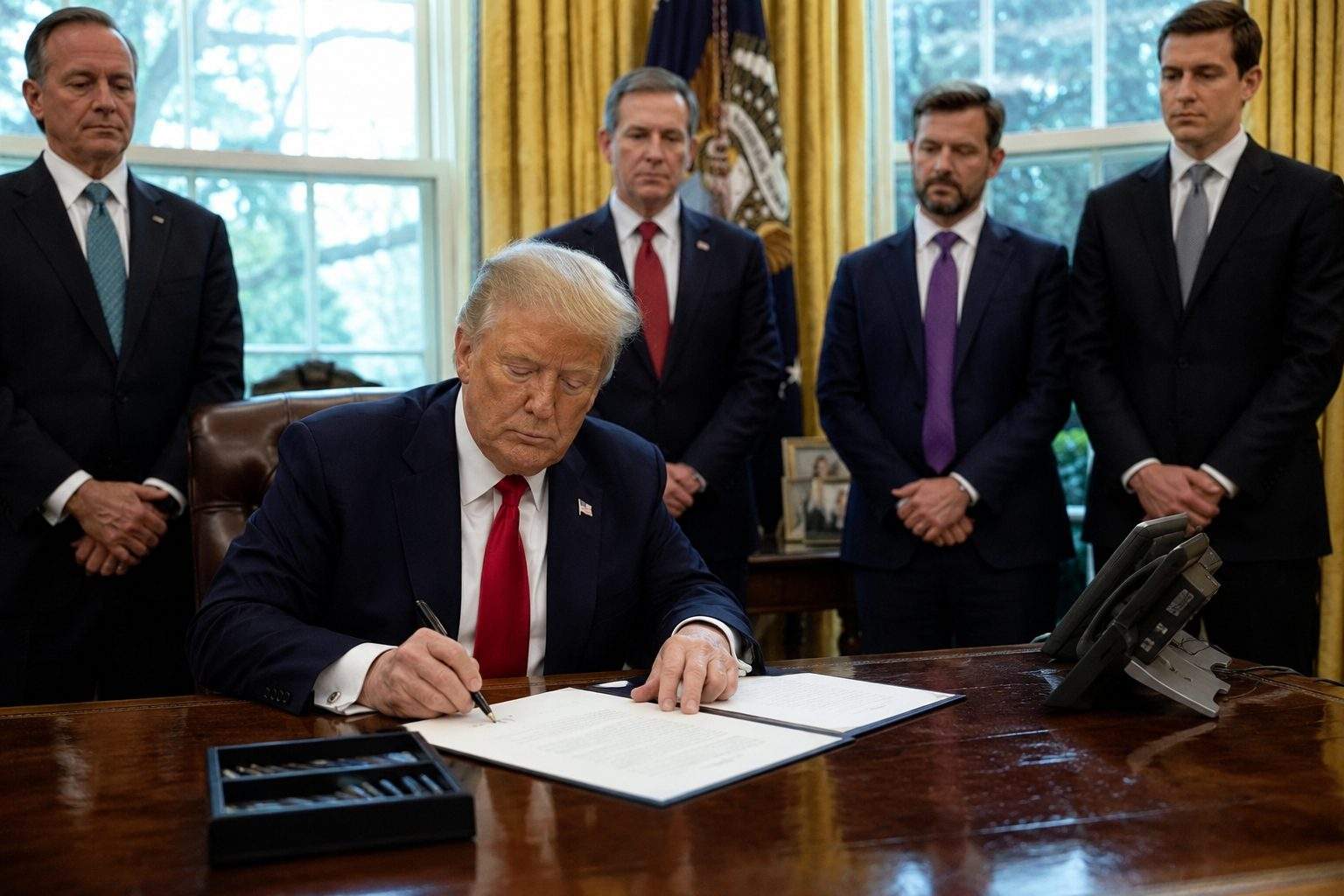
Trump wants advanced U.S. AI models to go through a voluntary federal cyber-review, giving agencies up to 30 days to test new systems for security issues before they go to outside partners. The order tells top AI developers to let the government see some models early, as companies push to launch AI that could spot or exploit software bugs.
AI’s shift into cyber operations has raised the stakes on timing. “Frontier models”—what the industry calls its strongest AI systems—are now rated on more than text and code generation. Companies are looking at whether these models can spot holes in critical infrastructure, including banks, hospitals and power grids, and other key systems countries depend on. whitehouse.gov
Anthropic is expanding access to its Claude Mythos Preview AI model, which searches for security bugs, through Project Glasswing. The company said the partnership is now growing from about 50 organizations to about 200, spreading to more than 15 countries and covering sectors like healthcare, power, water, communications and hardware.
Trump’s order shifts policy on AI oversight, though it stops short of hard rules. It doesn’t require companies to submit AI models or apply for licenses, and the language says no mandatory licensing, pre-clearance, or permits are created for AI releases. Still, Washington now has a new channel to get involved in pre-release testing. Companies could see changes to their product rollout calendars if they choose to treat the new process as a business need.
Anthropic said in May that Project Glasswing and its 50 partners found over 10,000 high- or critical-severity flaws, with many posing serious risk if exploited. The company said finding bugs is no longer the main issue—now it’s about verifying, disclosing, and patching them.
South Korea’s Science Ministry said Wednesday the Korea Internet & Security Agency gained access to Mythos with Project Glasswing. The ministry said it worked with Anthropic. Reuters said Samsung Electronics, SK Hynix and SK Telecom were included in the wider move.
OpenAI, Google, and Anthropic are the main firms connected to the debate. Reuters said the three companies met the U.S. government on cybersecurity as the order was in the works. Google’s Kent Walker called the move “an important step forward,” while OpenAI CEO Sam Altman said it “gets the balance right.” Reuters
The White House is pitching the order as a security move and not sweeping AI regulation. Its fact sheet calls for agencies to set up an AI cybersecurity clearinghouse, acting as a hub to share software bugs and fixes, with AI-based cyber tools to be given to federal agencies, state and local governments, and critical infrastructure operators.
Industry heads mostly backed the move, with their stakes obvious. Cisco Chair and CEO Chuck Robbins said AI is “rewriting the rules of cybersecurity” and welcomed the order as a way for defenders to speed up while still leaving space for private innovation. Cisco Blogs
Goldman Sachs CEO David Solomon said companies should share what they’re learning as they test Mythos. “They’re very, very powerful models,” Solomon said. Goldman is one of the banks trying Mythos. He said information-sharing was key for letting others in the economy adapt. Reuters
Voluntary rules are raising some questions. Juan Londoño, a policy analyst at the Cato Institute, told AP the order was “a step in the right direction” but said unclear guidelines on which models count and who gets trusted access could set a “dangerous precedent” if the government uses them against companies it is in conflict with. AP News
AI firms right now don’t face a strict ban. The bigger risk is delay, extra disclosure, or federal reviews bringing up issues while competitors are about to launch. For U.S. regulators, the risk shifts: if the process is still optional and a major model comes out without going through it, Washington could end up with a process the top companies sometimes ignore.
Related articles: NASDAQ:GOOGL



![Asia Stock Market Today 27/08/2026 [UPDATE: 00:10 SGT] [Chip Losses Narrow as KASE Global Enters Final Hour]](https://ts2.tech/wp-content/uploads/2026/08/Asia-market-dashboard-2026-08-27-0010-480x384.jpg "Asia Stock Market Today 27/08/2026 [UPDATE: 00:10 SGT] [Chip Losses Narrow as KASE Global Enters Final Hour]")