WASHINGTON, Jan 15, 2026, 17:10 EST
- IMF chief Kristalina Georgieva threw her support behind Fed Chair Jerome Powell as he faces mounting political pressure on the central bank
- Trump said he doesn’t plan to fire Powell, but Dimon cautioned that meddling could eventually push rates higher
- Fitch warned that a significant loss of Fed independence would harm the U.S. credit rating
International Monetary Fund Managing Director Kristalina Georgieva threw her support behind Federal Reserve Chair Jerome Powell on Thursday, emphasizing that central bank independence remains crucial as the Trump administration applies pressure amid a Justice Department probe into renovation cost overruns. “He is a very good professional, very decent man,” Georgieva said, describing the Fed as “precious” because of the dollar’s key global role. Reuters
Why it matters now: the Fed controls the benchmark interest rate, which shapes borrowing costs economy-wide—from mortgages and credit cards to corporate loans. It’s meant to operate independently, free from daily political influence.
Bankers and policymakers warn that interfering with this process could backfire. Should investors start doubting the central bank’s commitment to its mandate, inflation expectations—what households and markets anticipate prices will do next—could rise, along with the interest rates investors demand in bond markets.
Trump told Reuters on Wednesday he has no plans to fire Powell despite the ongoing investigation but said it’s “too early” to say what he might do in the end. He mentioned former Fed Governor Kevin Warsh and National Economic Council Director Kevin Hassett as possible replacements, while ruling out Treasury Secretary Scott Bessent. Powell’s term as chair ends in May, though he could stay on the Fed’s Washington board until 2028. Reuters
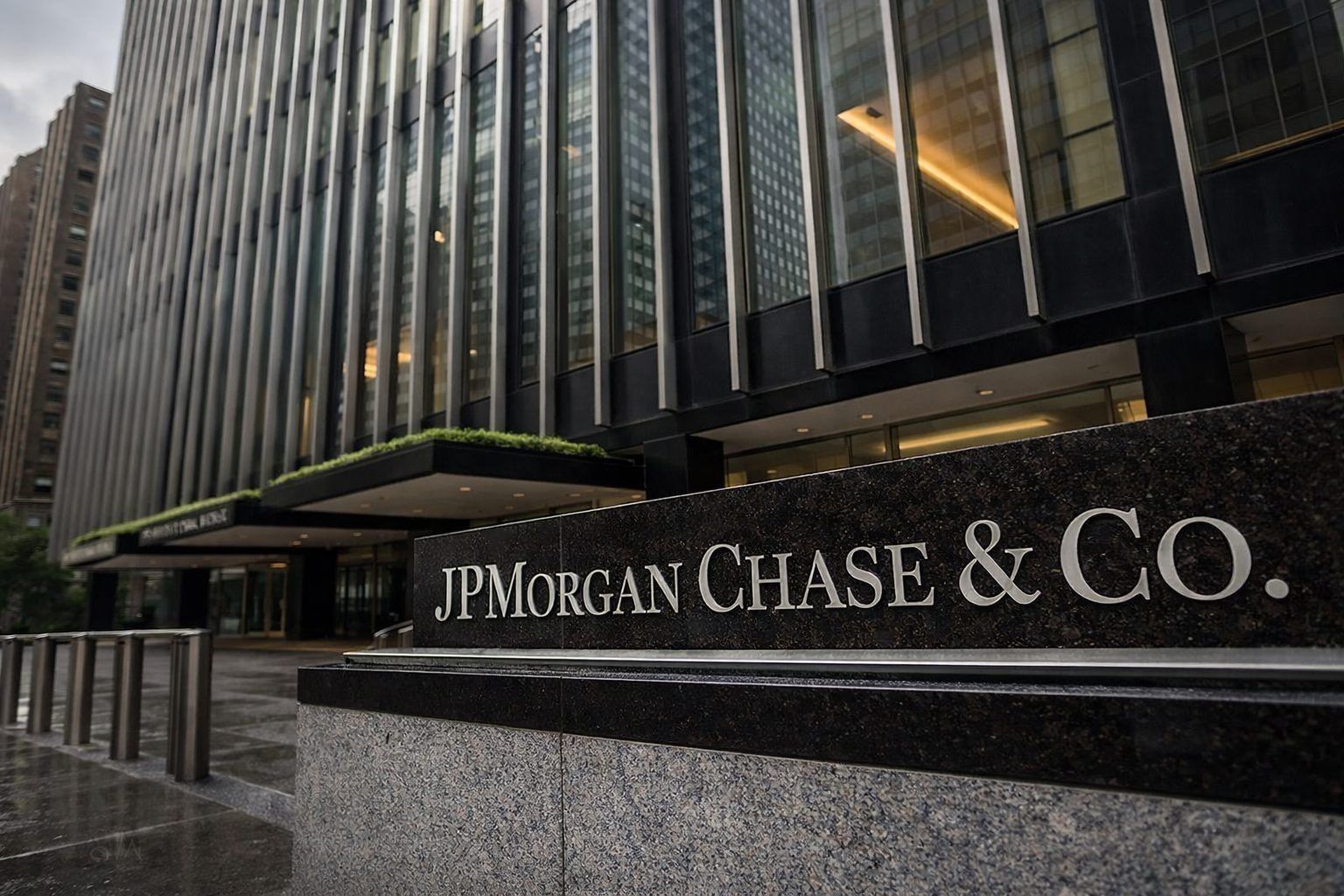
Trump fired back at Wall Street critics after JPMorgan Chase CEO Jamie Dimon cautioned that undermining Fed independence is “not a great idea.” Trump called Dimon “wrong” and insisted the U.S. “should have lower” rates. He also hinted Dimon might favor higher rates because “maybe he makes more money that way.” The Guardian
Fitch chimed in on the credit front. James Longsdon, who heads the firm’s sovereign ratings, warned that a “complete politicization of a central bank” would hit creditworthiness hard. He stressed that trust in the dollar as a reserve currency is crucial for the U.S. rating, though he noted there’s no evidence of that threat right now. Reuters
In Europe, ECB policymaker Martins Kazaks described the pressure on Powell as reminiscent of “emerging market politics” and cautioned against complacency, warning that such actions might drive inflation higher and push U.S. interest rates up later. Reuters
The dispute has spilled beyond borders. New Zealand’s foreign minister took aim at the central bank governor for endorsing Powell, telling her to “stay in her New Zealand lane” after she aligned with other central bankers in “full solidarity” with the Fed chair. Reuters
The endgame remains unclear. Efforts to oust Powell may face legal hurdles and political roadblocks, like the need for Senate approval of a replacement. Critics caution that dragging out this pressure risks shaking confidence and driving borrowing costs higher—exactly the opposite of what the White House aims for.
Powell has denied any wrongdoing, calling the investigation a pretext aimed at pressuring rate decisions. The Trump administration argues it must probe possible misconduct, sparking a dispute that stretches from Wall Street to foreign capitals.