
New York, May 9, 2026, 13:02 (EDT)
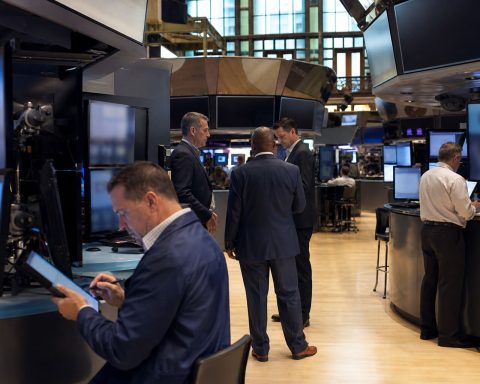
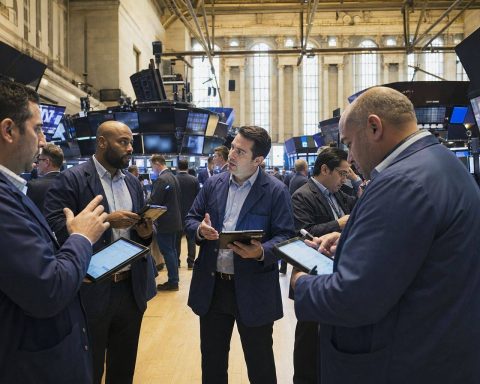
The S&P 500 and Nasdaq both set new records to close out the week, powered by gains in AI-focused stocks and a stronger April jobs report. Friday saw the S&P 500 jump 0.84% to 7,398.93, while the Nasdaq surged 1.71% to 26,247.08. The Dow Jones Industrial Average barely moved, adding just 0.02% and finishing at 49,609.16.
This rally isn’t just another pop—momentum has picked up. The S&P 500 climbed 2.3% this week. Nasdaq surged 4.5%. The Dow’s up 0.2%. Russell 2000, tracking smaller names, finished 1.7% higher.
The Fed has a stake here. For April, nonfarm payrolls—jobs tracked by the government outside agriculture and a handful of other sectors—climbed by 115,000, holding the unemployment rate steady at 4.3%, according to the Labor Department’s Bureau of Labor Statistics. Health care, transportation and warehousing, plus retail, all posted gains.
The jobs data eased some of the anxiety around growth, but muddied the waters for those hoping for a clear rate-cut path. Robert Pavlik, senior portfolio manager at Dakota Wealth, called the report evidence of a solid—if not spectacular—economy, adding it reassured investors that the latest round of strong earnings wasn’t just a fluke.
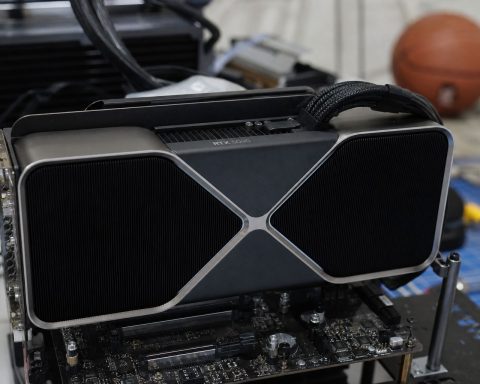
AI stocks stayed in focus this week. Nvidia picked up 1.8% Friday. Micron Technology and Sandisk both soared over 15%, fueled by data-center demand. The Philadelphia SE Semiconductor index posted another strong move, lifting its second-quarter climb to 55%.
Profit numbers supported the move. S&P 500 companies look set for almost 29% earnings growth from a year ago in the first quarter, with 83% of the 440 firms reporting so far topping analyst projections, LSEG data cited by Reuters shows. “This is an economy that seems hard to wreck,” said Rob Williams, chief investment strategist at Sage Advisory Services. Reuters
Strategists shifted their outlook as well. RBC Capital Markets bumped up its S&P 500 year-end call to 7,900 from 7,750, pointing to steady earnings growth and momentum in sectors tied to AI. The firm flagged ongoing earnings upgrades and appetite for AI-related infrastructure as key drivers behind the higher valuations, despite the drag from inflation, interest rate questions, and global tensions.
Pockets of weakness showed up beneath the headline gains. Cloudflare is slashing about 20% of its staff and sees Q2 revenue coming in just under analyst forecasts. Expedia, for its part, flagged a hit to bookings from the Middle East conflict—Booking Holdings, Marriott, and Hilton all pointed to similar pressure related to the war.
While traders shrugged, consumers grew gloomier. The University of Michigan’s consumer sentiment index dropped to 48.2 in early May, down from April’s 49.8—a record low—after gasoline prices tightened the squeeze on wallets. “Soaring prices at the pump” were behind the decline, survey director Joanne Hsu said. Reuters
The risk section is anything but minor. According to a Federal Reserve financial-stability report out Friday, survey participants flagged geopolitical risk and the oil shock as their top concerns—75% called out geopolitical risk, and 70% pointed to the oil shock. The report flagged that elevated inflation and rates might trigger “declines in asset prices.” Reuters
The rally faces a tougher hurdle next week. All eyes turn to consumer and producer prices, with retail sales also on the docket. April’s consumer price index is set for a 0.6% increase, Reuters says, citing a poll. But it’s the core CPI—excluding food and energy—that could draw sharper scrutiny in the wake of the latest oil jump.
Traders will be watching for updates out of Iran, developments at the Strait of Hormuz, and the upcoming Trump-Xi summit—rare earths and tech access likely taking center stage in those talks. Earnings are on deck for Cisco and Applied Materials next week; Nvidia and Walmart follow later this month.
The tape’s holding up for now. S&P 500 and Nasdaq just notched a sixth consecutive weekly win—the longest stretch since October 2024. The Dow, for its part, has two weeks up in a row. The tougher call is what happens if inflation, oil, or geopolitics stop playing along. Can AI earnings shoulder the load? Reuters
Related articles: NASDAQ:NVDA