
NEW YORK, May 4, 2026, 11:07 EDT
BofA Securities stuck with its Buy call on Uber Technologies, leaving its $103 price target unchanged on Monday. The analysts flagged continued strength in Mobility and Delivery bookings, and highlighted the upside they see in Uber’s autonomous vehicle efforts. Extra merchant-fee revenue, the firm added, has the potential to either lift EBITDA—earnings before interest, taxes, depreciation and amortization—or help bankroll additional growth.
The schedule is key here. Uber will release first-quarter numbers before the bell on Wednesday, May 6, offering investors an early look at how demand, margins, and the costs of expanding past rides and food delivery are shaping up.
Uber stock hovered at $75.13 early this day, nearly flat. At that price, Bank of America’s target points to a roughly 37% potential gain. Market cap was around $159.6 billion.
BofA’s Justin Post is looking for first-quarter results roughly matching Wall Street’s expectations, pointing to gross bookings up around 20% from last year—measured in constant currency, excluding FX swings. He’s eyeing EBITDA near $2.45 billion, per numbers compiled by TipRanks, with Delivery demand staying solid but Mobility showing signs of easing.
Several analysts echoed optimism following Uber’s recent product showcase. BMO Capital’s Brian Pitz stuck with his Outperform call and a $106 price target, telling TheStreet the additions are likely to “increase app stickiness and frequency.” TheStreet
Uber rolled out hotel booking options for U.S. users at its GO-GET event, tapping into Expedia Group’s inventory and pushing available properties past 700,000. Uber CEO Dara Khosrowshahi described the move as making Uber “an app for everything.” Expedia’s Ariane Gorin expects the tie-up will trim time spent on planning for travelers. Uber Investor Relations
Uber’s aiming to boost app engagement with its travel features. According to Reuters, Uber One members get a minimum 20% discount on some 10,000 hotels, plus 10% of that back in Uber Credits. Uber One membership climbed to 46 million in the 2025 fourth quarter, a 55% jump from the previous year.
Autonomy is still the key variable hanging over the stock. Last week, Hertz and Uber announced plans: Hertz affiliate Oro Mobility will take on charging, upkeep, repairs, cleaning, and depot staffing for Uber’s upcoming robotaxi service, which will use Lucid cars equipped with Nuro’s AV technology. Service is set to launch in the San Francisco Bay Area before the year is out. Uber President and COO Andrew Macdonald called the agreement a step toward a “hybrid network” mixing both driver-led and autonomous rides. Uber Investor Relations
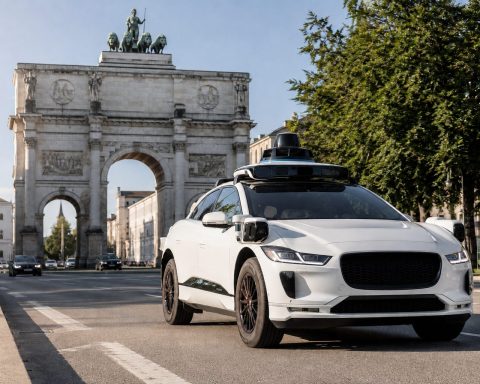
Competition is heating up. In March, Reuters highlighted Waymo’s head start in commercial robotaxis, but pointed out that Tesla’s huge production capacity and deep pockets might shake things up. Uber, on the other hand, is sticking with its AV partnership approach, opting not to rebuild its old self-driving division.
Uber hasn’t stopped picking up smaller deals either. The company announced on May 1 that it’s buying Hong Kong’s FlyTaxi, a local taxi e-hailing app that isn’t changing day-to-day operations. FlyTaxi’s founder Simon Siu called the move a “proud milestone” for the company, which has been in the Hong Kong taxi scene for 13 years. Uber
The AV play isn’t without risk. Last month, Reuters cited a Financial Times estimate putting Uber’s autonomous vehicle outlay and developer stakes at over $10 billion—a number Reuters couldn’t immediately confirm. Some deals hinge on partners reaching deployment targets, according to the report. Delays in rollout, sluggish regulators, or fresh pricing pressure from Waymo and Tesla could mean Uber shells out even more before seeing real returns.
The market’s focus, for the moment, comes down to a single issue: Can Uber this week prove that its main rides and delivery businesses are expanding at a solid clip, enough to support further bets on hotels, merchant fees, and robotaxis—without overcomplicating the app or squeezing margins?
Related articles: Autonomous Vehicles