
New York, May 4, 2026, 11:03 (EDT)
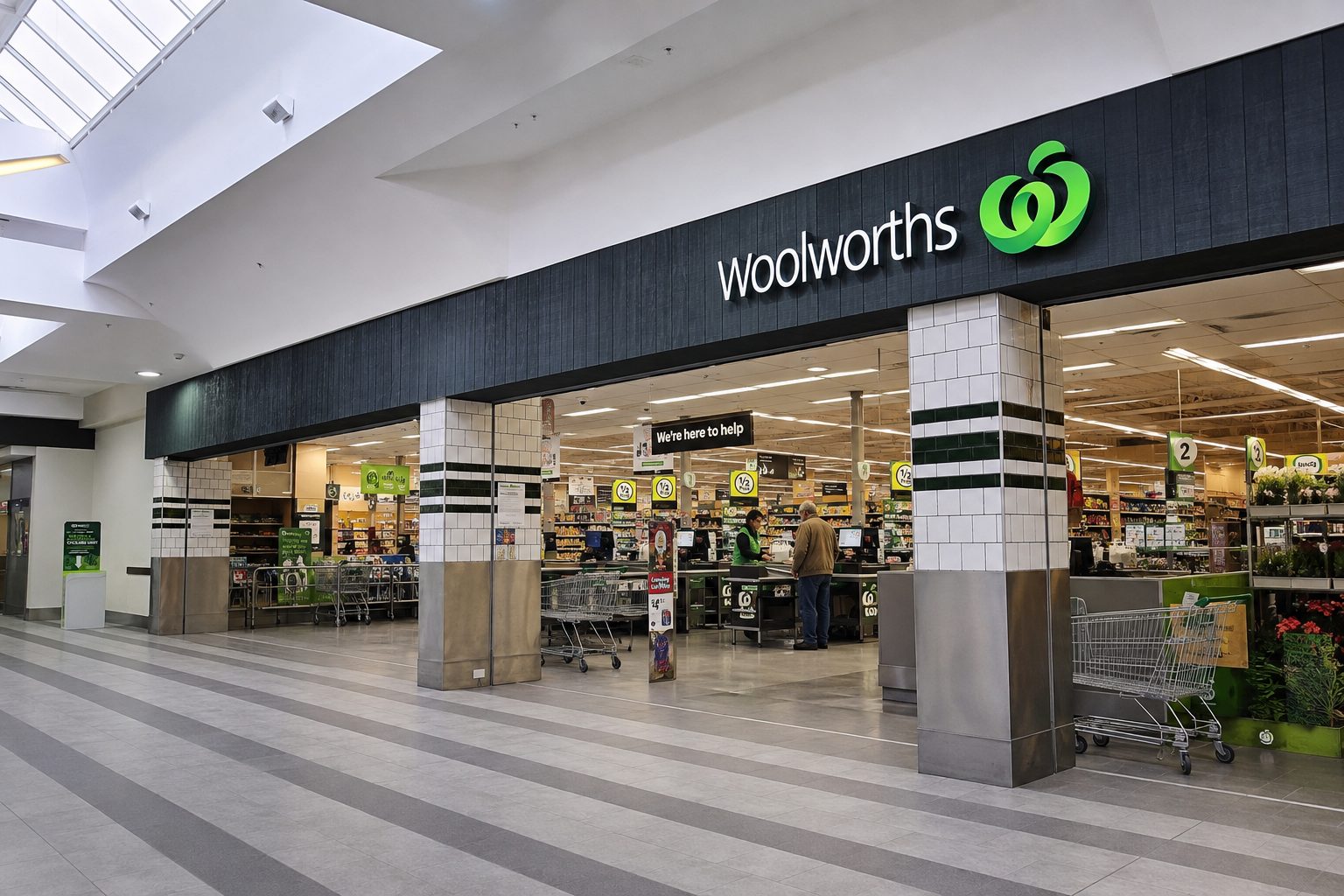
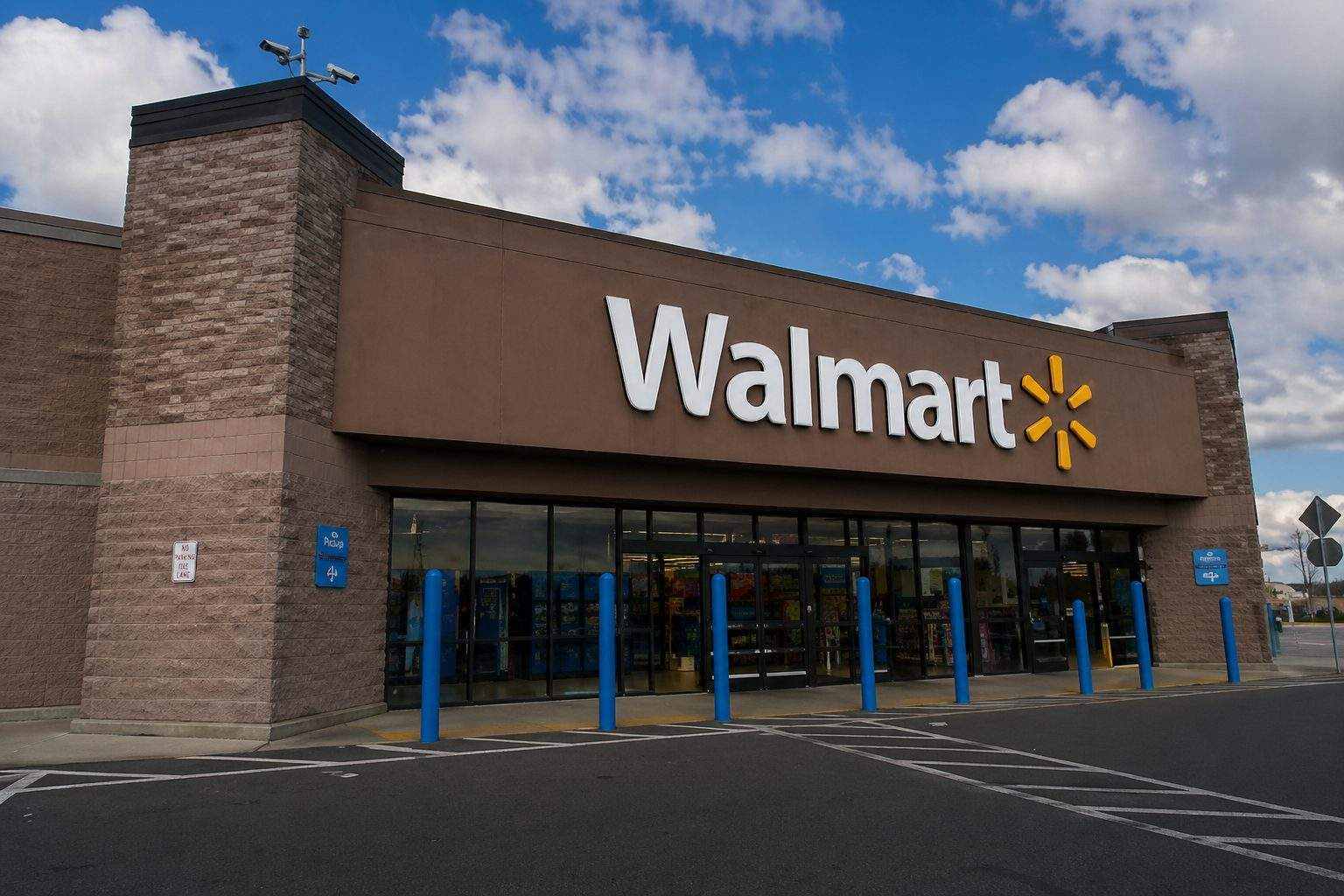
The rivalry between Walmart and Costco is shifting, with Walmart’s booming ad business now front and center in the bull-bear stock debate. Investors are sizing up the retailer’s digital ad push—bringing fatter margins—against Costco’s powerhouse membership setup. As of Monday morning, Walmart slipped 0.4% to $131.02. Costco climbed 0.6%, hitting $1,018.25. Even so, Costco’s price-to-earnings ratio stayed above Walmart’s.
Timing is key here. Many U.S. shoppers remain price-conscious, so value-focused and essentials-driven retailers are back in focus. The Consumer Price Index climbed 0.9% in March and 3.3% year-over-year, according to the Labor Department, with gasoline making up close to three-quarters of that monthly gain.
Investor discussions over the last two days have weighed Walmart’s expanding ad and e-commerce business against Costco’s solid renewal rates and elevated stock price. El-Balad on Monday zeroed in on Walmart’s ad sales numbers versus Costco’s hefty valuation, and IndexBox, on May 2, pointed to both chains’ steady performance as shoppers face inflation.
Mix is Walmart’s opening argument. CEO John Furner told shareholders the retailer is still posting gains in “marketplace, advertising, and membership.” Global advertising revenue jumped 46%, reaching almost $6.4 billion for fiscal 2026. Global e-commerce climbed 24% to $150.4 billion, according to his note. Walmart News & Leadership
Walmart posted a 5.6% jump in total revenue for the fourth quarter, with global e-commerce up 24% and U.S. e-commerce notching a 27% gain. The retailer’s global advertising business surged 37%, factoring in Vizio, while its U.S. ad unit, Walmart Connect, increased 41%. Walmart Connect, the company’s retail media arm, sells digital ad placements to brands based on Walmart’s shopper data and traffic.
Costco’s loyalty appeal remains intact. The company posted a 9.1% jump in second-quarter net sales, hitting $68.24 billion. Net income climbed as well, coming in at $2.04 billion, up from $1.79 billion a year ago. Digitally enabled comparable sales surged 22.6%—that’s sales from stores and online combined, measured across both periods.
The numbers tell the story on valuation. Costco wrapped the quarter with 82.1 million paid members, pulling in roughly $1.36 billion from those membership fees, according to Digital Commerce 360, which also cited renewal rates of 92.1% in the U.S. and Canada and 89.7% globally. Chief Financial Officer Gary Millerchip pointed to “targeted digital communications and retention strategies” as part of the push to keep online sign-ups coming back. Digital Commerce 360
Here’s the split: Walmart’s pushing to layer software-style profit streams onto its discount retail core, while Costco leans on its membership fee engine to keep pricing tight. In an April 29 note, Micah Zimmerman at The Motley Fool argued Walmart’s lower valuation and clearer earnings drivers make it the better risk-reward bet for now—though he gave Costco the edge on quality and customer loyalty.
On Sunday, another Fool article highlighted a different angle on Costco. Global renewal rates held at 89.7% in fiscal Q2—still strong, but a tick lower than last year’s 90.5%. The drop isn’t raising alarm bells yet, according to the piece, though it’s notable, since membership fees account for a hefty chunk of Costco’s profits.
Amazon still stands out as retail media’s benchmark. U.S. advertisers are projected to pour $69.3 billion into retail media this year, according to Digiday, referencing eMarketer. Most of the fresh ad spend—over 89%—is set to go to Walmart and Amazon. Chris Rigas, vice president of media at Markacy, described Walmart’s trajectory as “catch up” growth, noting its ad revenue is only about one-tenth of Amazon’s. Digiday
The trade-off isn’t one-sided. Costco flags the usual suspects—tariffs, inflation, energy, commodity prices, global strife—as threats, but if fuel or freight spike faster than expected, even its pricing edge could take a hit. Walmart faces something else: softening ad demand, or Amazon’s stubborn dominance in retail media, could make investors rethink giving Walmart the benefit of a platform premium.
At this point, neither retailer is seeing shoppers walk away. The real question: whose profit engine commands the bigger premium? Walmart, with its growing mix of ads, e-commerce, and memberships, faces off against Costco’s steady renewal formula. Inflation is keeping both stocks in play for investors, but when it comes to valuation, the room to maneuver isn’t equal.
Related articles: NASDAQ:COST


![US Stock Market Today 08/26/2026 [UPDATE: 00:14 EDT] [Intuit Slides 10% as QQQ Starts New Trade Date Lower]](https://ts2.tech/wp-content/uploads/2026/08/US-market-dashboard-2026-08-26-0006-480x384.jpg "US Stock Market Today 08/26/2026 [UPDATE: 00:14 EDT] [Intuit Slides 10% as QQQ Starts New Trade Date Lower]")