
London, April 22, 2026, 11:17 BST
- UK consumer prices picked up, with CPI at 3.3% in March, compared to 3.0% the month before.
- Fuel costs jumped, air fares climbed, and food prices pushed the overall number higher.
- Most economists are sticking with forecasts for the Bank of England to leave rates unchanged on April 30.
Inflation in Britain climbed to 3.3% in March, up from 3.0% the month before—marking the first time official data pointed to the Iran conflict and pricier energy filtering through to consumer prices. The result, matching economists’ median forecast from a Reuters poll, has upped the stakes for the Bank of England and Chancellor Rachel Reeves.
Timing is key here. Inflation remains stubbornly above the Bank of England’s 2% goal, with only eight days left before the next rate call. The central bank has flagged the risk: a lasting surge in global energy prices could filter through to pay and what companies charge. Bank Rate sits at 3.75%, with policymakers set to decide again on April 30.
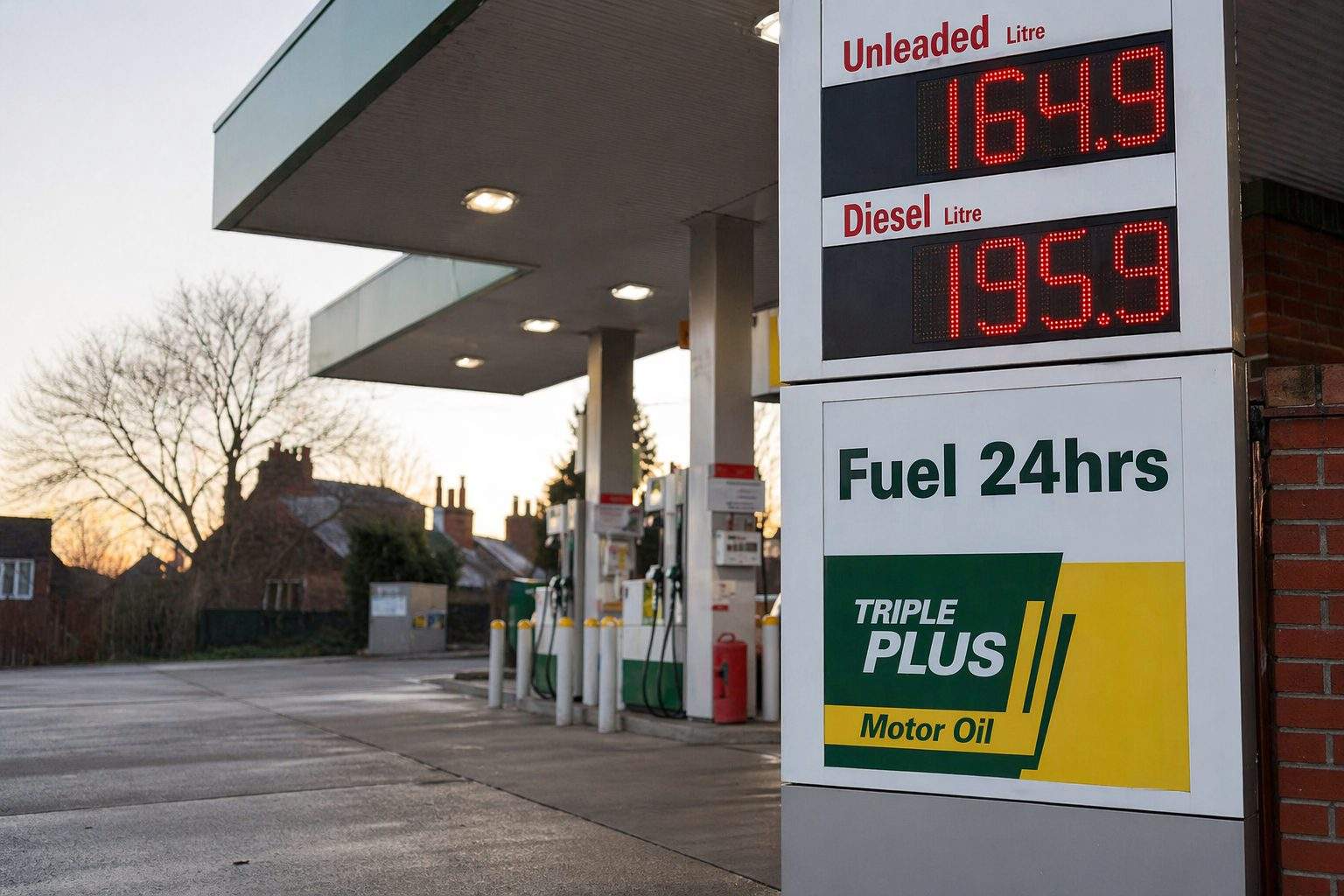
The Office for National Statistics pointed to transport as the main driver higher. Petrol prices shot up 8.6 pence a litre from February to March, landing at 140.2p. Diesel surged even more, up 17.6p to 158.7p—the highest level since November 2023. Air fares spiked 10.0% over the month, marking the sharpest February-to-March rise since 2016. Food and non-alcoholic drink inflation ticked up as well, reaching 3.7%.
ONS chief economist Grant Fitzner pointed to March’s uptick in inflation, highlighting fuel costs as the main culprit. Airfares and food prices chipped in, too. Clothing, on the other hand, helped soften the blow—price increases there didn’t match last year’s.
It’s not just drivers feeling the pinch. Factory input prices climbed 5.4% in the year to March, a sharp jump from February’s 0.7%. Output prices — what manufacturers charge at the factory gate — moved up 2.6%. According to the ONS, surging crude oil costs were the main culprit behind the leap in input prices, with crude shooting up 58.8% from February to March.
The Bank of England has little room to maneuver. Danni Hewson, AJ Bell’s head of financial analysis, flagged the “spectre of stagflation” looming over the Monetary Policy Committee’s meeting next week. Stagflation—slow growth mixed with sticky inflation—complicates rate calls. Ruth Gregory at Capital Economics projects inflation will drop to 2.9% in April but cautions the following eight months could be a rough stretch for policymakers. Reuters
Between April 16 and 21, a Reuters poll found that all 62 economists surveyed expect the BoE to leave the Bank Rate at 3.75% on April 30. There’s less agreement on what comes after that. Ellie Henderson of Investec told Reuters that unless the recent price shock starts feeding into longer-term inflation expectations, the central bank might just “hold and wait and see.” Over at BMO, Laurence Mutkin noted that bond-market moves since the war broke out have already tightened financial conditions. Reuters
Aberdeen’s deputy chief economist, Luke Bartholomew, sees little room for wages or prices to climb much, citing a sluggish labour market and muted growth. As he put it, “For now,” the BoE remains in “wait-and-see mode.” AP News
Speaking in Parliament on Tuesday, Reeves said the government faces costs “already being felt” due to the Middle East conflict. She pushed back against what she described as a “knee-jerk response,” warning that such moves risk pushing up inflation and rates. Among the steps she listed: fuel-duty cuts, rail fare freezes, reduced energy bills, and targeted support for manufacturers, all intended to keep costs in check. GOV.UK
Britain isn’t the only one feeling the heat, though its inflation is outpacing much of Europe. Euro area inflation ticked up to 2.6% in March, compared with 1.9% a month earlier. EU inflation followed suit, rising to 2.8%, according to Eurostat figures released last week. Of the major euro area categories, energy posted the sharpest annual increase.
Here’s the sticking point: the real risk comes if the shock drags on. Martin Beck, chief economist at WPI Strategy, sees inflation topping out somewhere between 3.5% and 4% this summer—assuming tensions cool off and energy flows get back to normal. But, if things flare up again, he warns, it could land closer to 5%. That’s what policymakers are up against. A brief jolt in oil prices stings, but a drawn-out shock could force a broader reset in costs throughout the economy.
The International Monetary Fund trimmed its UK growth outlook last week, dropping the 2026 estimate to 0.8% from the earlier 1.3%. The IMF also flagged the risk of British inflation topping out near 4%, pointing to softening demand and pricier energy as the main culprits. For households, there’s a sharper question: does March’s fuel-driven jump spiral into another round of cost-of-living pain? Reuters