
London, May 6, 2026, 09:11 BST
- Early in London, the FTSE 100 clawed back roughly 1.6%, erasing some of Tuesday’s steep losses.
- Miners and banks took the lead. BP and Shell lagged as Brent crude pulled back.
- Gilt yields slipped back following a spike in borrowing costs. Still, traders kept an eye on lingering UK inflation and political risks.
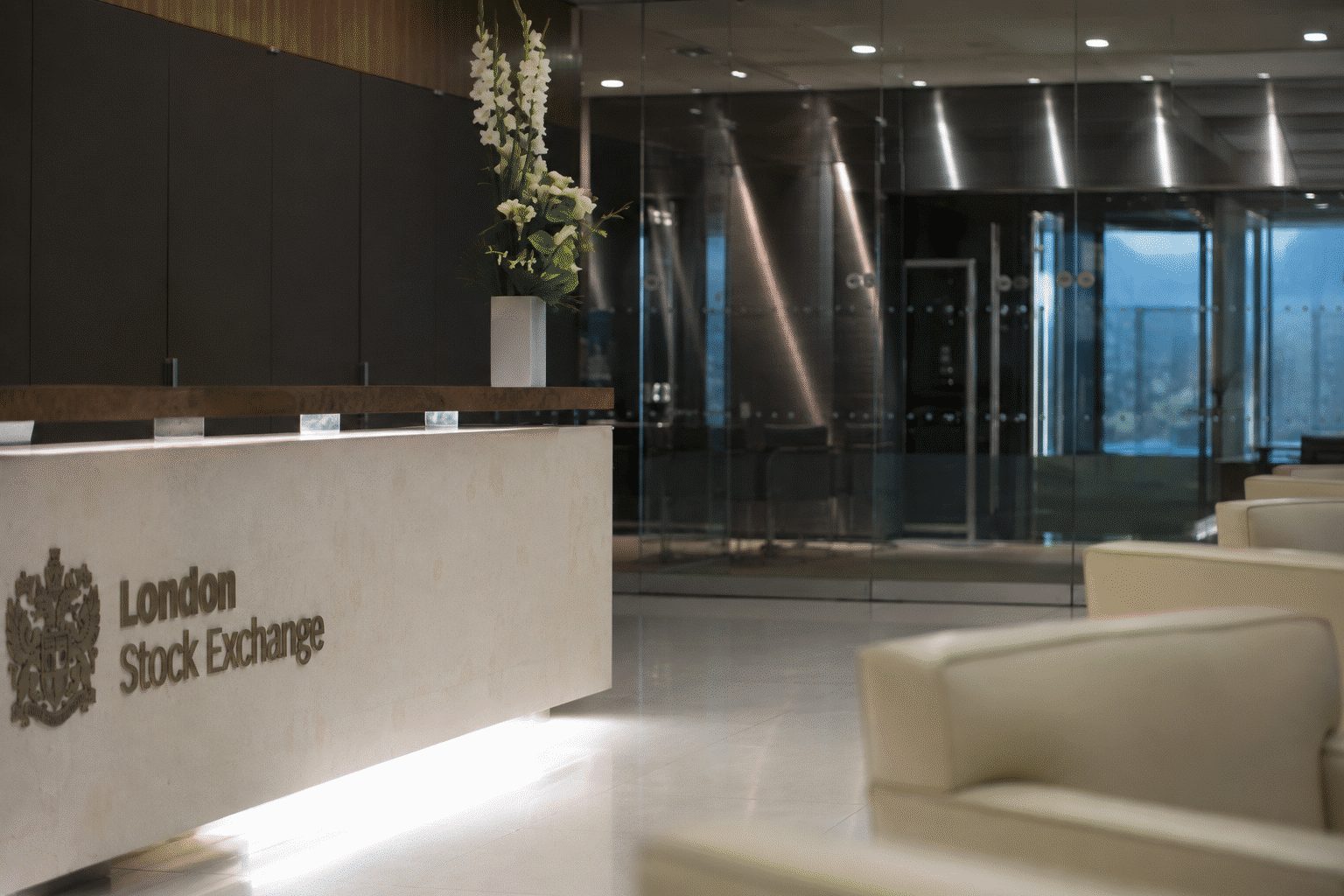
UK shares climbed Wednesday, with the FTSE 100 snapping higher as money moved into miners, banks and Diageo following a dip in oil and fresh optimism for a U.S.-Iran agreement. The blue-chip index hovered near 10,387, up roughly 1.6%. The FTSE 250 added 1.0%.
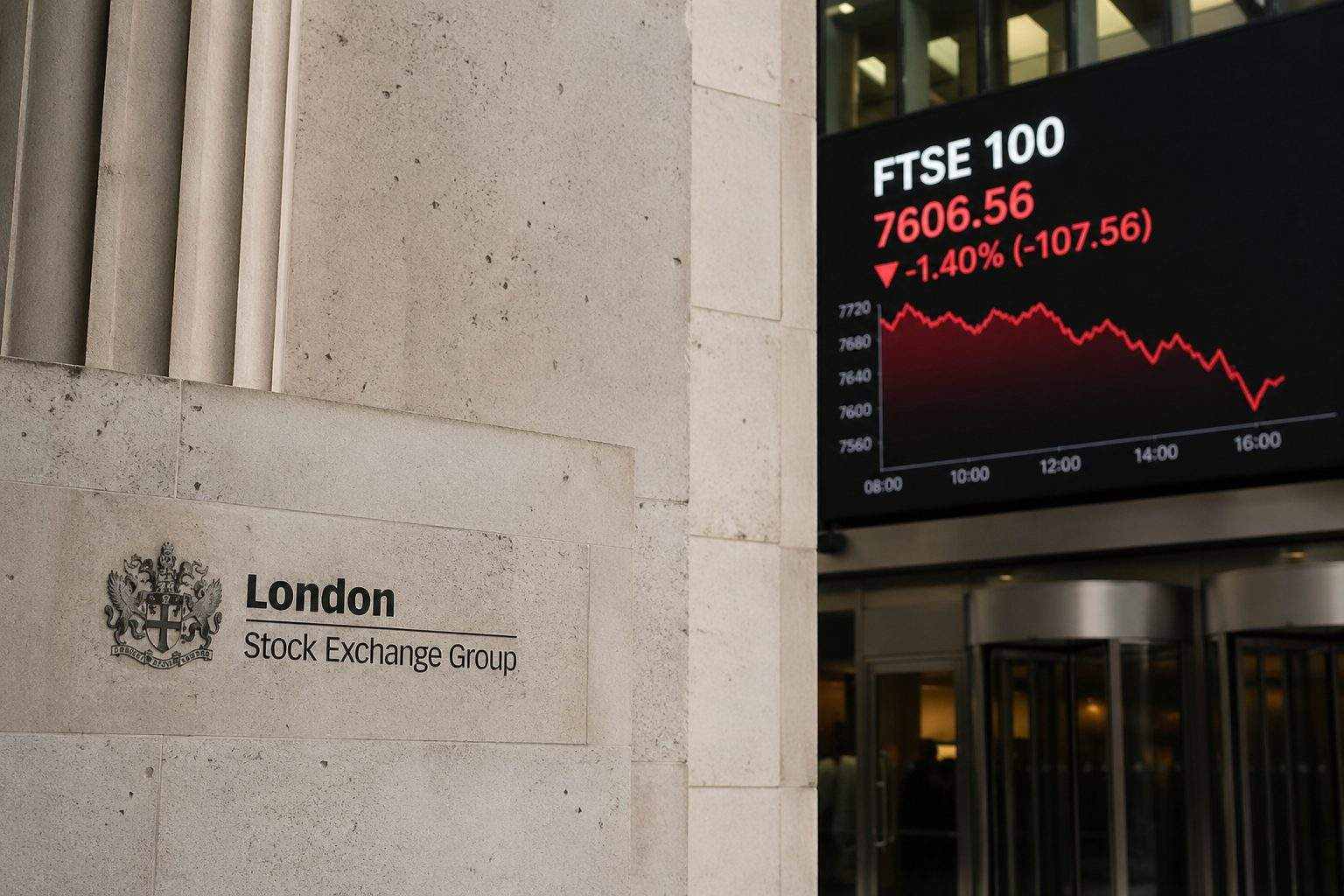
This comes just after a tough Tuesday session. The FTSE 100 slid 1.4% to 10,219.1—marking its steepest single-day decline since late March. HSBC’s unexpected loss put pressure on bank shares, and renewed inflation concerns surfaced on the back of climbing energy prices.
Markets weren’t betting on a quick resolution to the turmoil, but traders eased up on immediate risk after U.S. President Donald Trump commented on “great progress” in talks with Iran. European equities responded, lifting the pan-European STOXX 600 by 1% as the session got underway Wednesday. London’s FTSE 100 and Spain’s IBEX each added more than 1%. Reuters
Michael Brown at Pepperstone noted “risk appetite rebounded” with markets taking on a more composed tone. Still, he flagged that the Strait of Hormuz was mostly closed off, and discussions hadn’t shifted much in the last two days. MarketScreener
London’s miners led gains, with Fresnillo, Anglo American and Antofagasta landing near the top of the FTSE 100 as gold prices ticked up. Standard Chartered joined the advancers. BP and Shell slipped, dragged down by weaker crude.
Diageo gave the index another lift. The company behind Johnnie Walker and Guinness edged past third-quarter sales forecasts, posting 0.3% organic net sales growth. Demand for Guinness in Britain and Ireland played a part, along with distributors stocking up ahead of the soccer World Cup in Latin America and the Caribbean. “North America remains our biggest challenge,” Chief Executive Dave Lewis acknowledged. RBC Capital’s James Edwardes Jones cautioned it would be “flippant” to claim the U.S. business is turning around. Reuters
The drinks group’s decision turned attention to its competitors. Pernod Ricard and Brown-Forman have both flagged headwinds in the spirits category. Over on the beer side, AB InBev just posted its first quarterly volume gain in three years—underscoring the divergent trends between beer and spirits.
Next shares inched up after the retailer bumped its 2026/27 pre-tax profit guidance to 1.218 billion pounds, up from 1.210 billion. Full-price sales climbed 6.2% in Q1, and the company plans some limited price hikes overseas to help cover costs tied to the Iran war. Reuters pointed out that H&M has flagged similar concerns, warning an extended Middle East conflict could drive prices higher and weigh on demand.
Smith & Nephew dropped, shrugging off a $500 million buyback announcement and a 6.6% jump in first-quarter revenue to $1.50 billion. CEO Deepak Nath called the numbers “in line with our expectations.” Still, the market zeroed in on weaker U.S. knee implant sales and a guidance tilted toward the second half. Investegate
UK government bonds found their footing, with gilt yields slipping around 5 basis points across the curve early on. That comes after 30-year yields surged Tuesday, hitting levels last seen in 1998. Attention remains on Thursday’s local elections—a potential headache for Prime Minister Keir Starmer as fiscal policy stays in the spotlight.
The relief rally could still unravel. XS Market’s Linh Tran noted oil is coming off highs as markets factor in a “temporary easing” of geopolitical risk, yet flagged that supplies tied to the Middle East and the Strait of Hormuz remain exposed. Any new supply shock would just as quickly drive the oil-risk premium right back into UK inflation, gilts and rate bets. MarketScreener
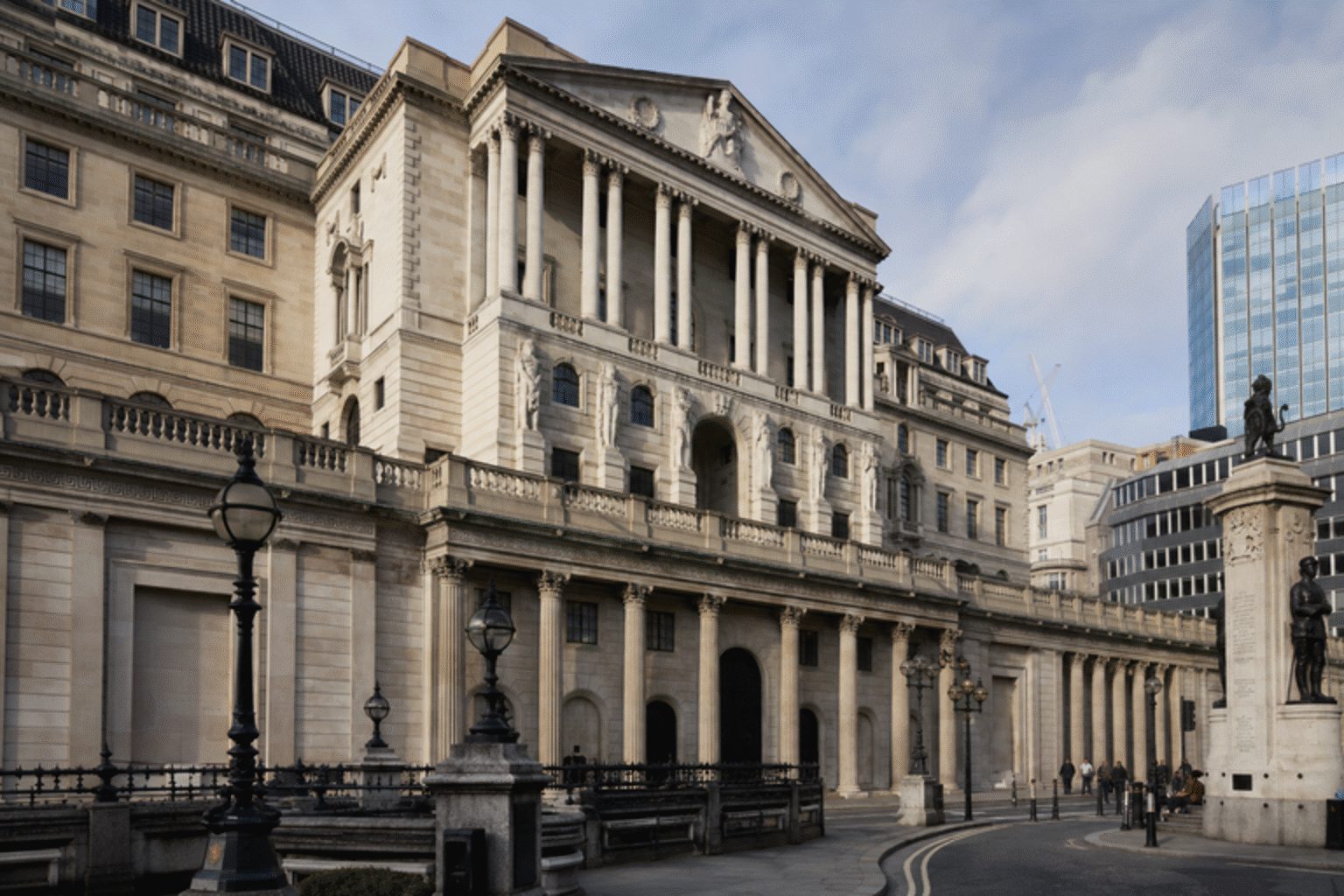
Coming up at 0930 BST: UK services and composite PMI figures. The Purchasing Managers’ Index offers a snapshot—above 50 means expansion. Investors are watching for a solid number to cool recession jitters, though persistent cost pressures would leave the Bank of England on alert.


![Asia Stock Market Today 28/08/2026 [UPDATE: 00:51 SGT] [Salesforce Leads KASE Global Into Final Minutes After Asia’s Split Close]](https://ts2.tech/wp-content/uploads/2026/08/Asia-market-dashboard-2026-08-28-0051-480x384.jpg "Asia Stock Market Today 28/08/2026 [UPDATE: 00:51 SGT] [Salesforce Leads KASE Global Into Final Minutes After Asia’s Split Close]")