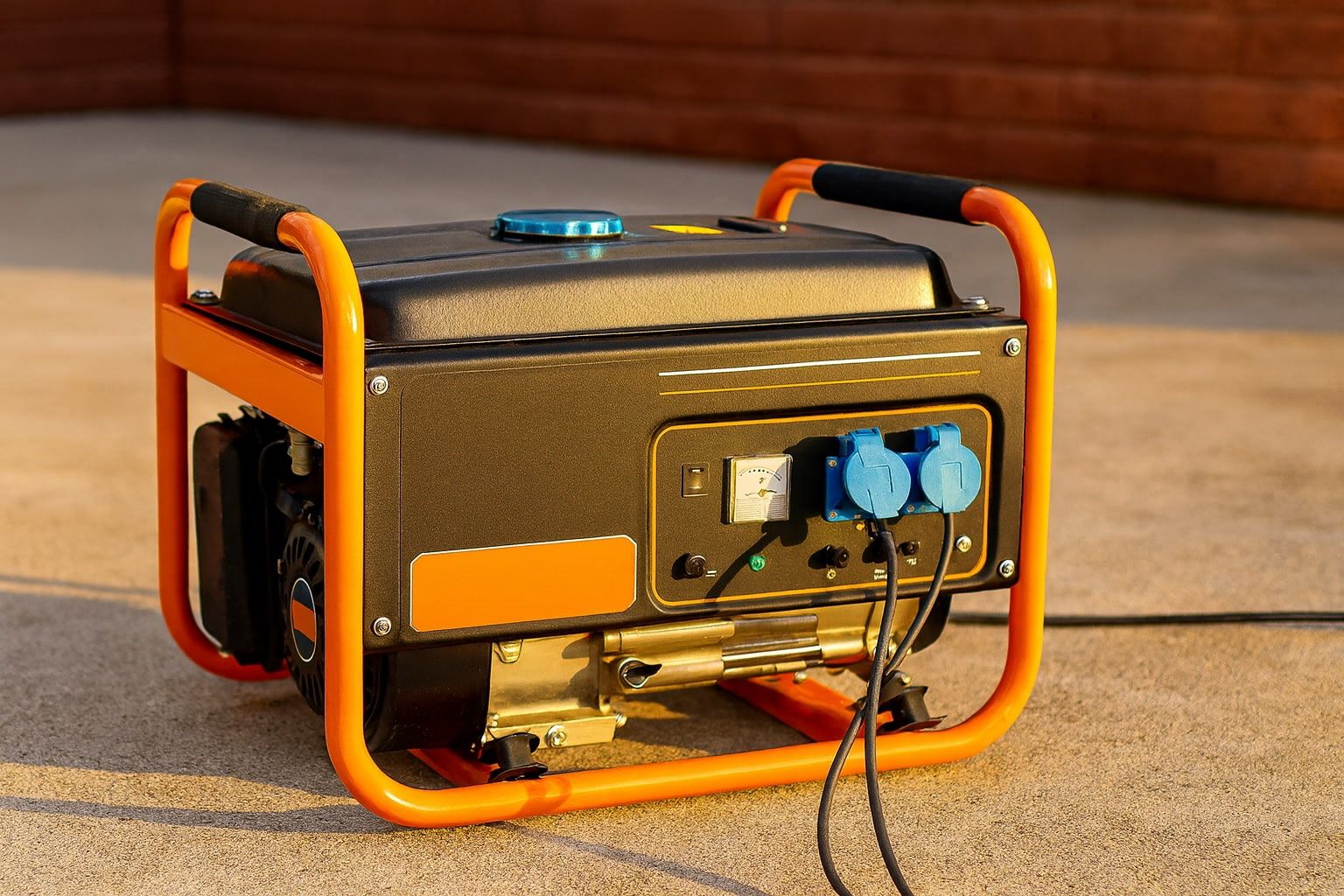

- Business survey: A Chamber of Commerce “Barometer of Business” poll (Oct 2025) found 80% of Ukrainian entrepreneurs have secured alternative power sources (generators, batteries, etc.) in case of blackouts mezha.net. 56% of firms already own generators, 19% have other backups (up 13 points YoY) and just 7% now plan to cut consumption – half the rate of last year mezha.net.
- Recent attacks: Intense Russian strikes on Oct 21–22 knocked out power to large regions. Nearly 280,000 people in Chernihiv and thousands in Kharkiv were plunged into darkness, with at least four dead and 10 injured ground.news. Kyiv also suffered outages, and emergency outages were declared in most regions.
- Rolling outages: Ukraine’s grid operator Ukrenergo has moved to rolling blackouts nationwide. From Oct 22, hourly outage schedules were introduced for consumers left long without power, and citizens were urged to “use [electricity] sparingly” to conserve energy mezha.net mezha.net. By mid-October, emergency cuts covered all but two regions reuters.com.
- Nuclear danger: The Zaporizhzhia nuclear plant (occupied) has been off-grid for a week, relying on emergency diesel generators ts2.tech. Experts warn this is “critical and potentially catastrophic” – backup systems aren’t designed for continuous use ts2.tech ts2.tech. The IAEA confirms cooling is stable but stresses the situation is unsustainable.
- Economic pressure: Facing a $60+ billion financing gap, Ukraine’s central bank devalued the hryvnia (to ~42 per USD from Oct 27) under IMF pressure kyivindependent.com. Economist Mykhaylo Demkiv notes the rapid weakening is a response to external aid conditions kyivindependent.com and warns a weaker currency means Ukrainians will get “less bang for their buck” kyivindependent.com.
- Markets & forecasts: Ukraine’s first Nasdaq IPO, mobile operator Kyivstar NYSE:KYIV, has seen volatile trading but recent gains. After dipping to ~$11 in Sept, its price rebounded to ~$14 by mid-Oct on news of a $1B 5G network upgrade and a Mastercard partnership ts2.tech. Analysts are bullish: the consensus 12‑month target is about $17.08 (~+27%) ts2.tech.
Russian Strikes Trigger Widespread Blackouts
Russia has dramatically stepped up attacks on Ukraine’s energy grid this autumn. On the night of Oct 21, Russian drones and missiles hit power lines and substations across northern Ukraine, especially near the border. According to Amnesty International and media reports, these strikes “cut power to nearly 280,000 people in Chernihiv and thousands in Kharkiv” ground.news. Kyiv’s energy ministry confirmed 380,000 customers were still disconnected the following day after waves of drone/missile attacks on Oct 10 and 21 reuters.com reuters.com. President Volodymyr Zelenskiy said the assault was deliberate, noting Russia “waited for bad weather” to launch the strikes and reduce Ukraine’s air-defence effectiveness by “20-30%” reuters.com. He urged Western allies to speed delivery of promised air-defence systems to protect critical infrastructure.
Despite the scale of the assaults, officials emphasized resilience. Zelenskiy insisted that “the blow is strong, but it is definitely not fatal” reuters.com. Defence Minister Denys Shmyhal warned that Ukraine is preparing for a “very tough, very difficult winter” and said “we understand that Putin will continue his terror” reuters.com. In many frontline and northern cities, residents began nights on generator power. For example, Euronews reports that even small towns like Shostka (Sumy region) have been left without electricity or water; its mayor said “we can’t predict power cuts. We fix something and it gets destroyed again” euronews.com. In Chernihiv, long queues formed at “points of invincibility” – heated tents powered by generators – as freezing temperatures returned.
Businesses Brace with Backup Power
Anticipating more outages, Ukrainian firms are rapidly adapting. A new survey by the Ukraine Chamber of Commerce & Industry (“Barometer of Business”) shows firms overwhelmingly expect disruptions. Chamber officials declared “Ukrainian business is ready for dark times. 80% of surveyed entrepreneurs have secured power sources for outages,” echoing the survey results mezha.net. Key findings: 56% of companies own generators (slightly down from late 2024), 19% have alternative power supplies (up 13 points year-on-year), and 5% have autonomous systems like solar or storage mezha.net. Only 14% are still buying new backup equipment, and a mere 7% plan to reduce consumption – half the share of a year ago mezha.net.
These preparations are partly why networks are still running: as TS2 notes, “Ukrainian operators have kept service running despite wartime challenges by installing thousands of generators and batteries – by late 2024 some 88% of mobile base stations remained online” ts2.tech. Businesses are also tweaking operations to save power (e.g. staggered shifts, critical loads only). The survey reflects caution: Ukraine’s Business Barometer index dipped into negative territory in Oct 2025, with construction firms slightly more upbeat but manufacturing, services and trade largely pessimistic mezha.net. Exporters, in particular, are gloomier than domestic-sector peers mezha.net. In short, companies are investing in energy resilience and cost optimization while keeping a wary eye on inflation and war risks mezha.net mezha.net.
Government Response and Energy Outlook
The government and utilities have imposed emergency measures to stretch supply. Even before the latest strikes, rolling blackouts were in effect in eastern Donetsk and northern Chernihiv. On Oct 15 Ukraine formally announced “emergency power cuts in all but two regions” after the recent attacks crippled gas and electricity networks reuters.com. State grid operator Ukrenergo later shifted strategy: on Oct 22 it began implementing hourly outage schedules (HOS) in affected regions mezha.net. This means electricity is switched off on a rotating, hourly basis among groups of consumers. Ukrenergo explained the switch: “In order to supply power to customers who have been without electricity for a long time… hourly outage schedules are being introduced” mezha.net. Residents with power were warned to minimize usage – “if you currently have electricity – please use it sparingly” mezha.net. Industrial consumers also face restrictions (e.g. cuts between 16:00–20:00 daily) to prioritize homes and hospitals. The hardest-hit regions remain Chernihiv and Sumy, where emergency outages were extended as repair crews worked around the clock mezha.net.
Meanwhile, private energy firms raced to restore power. DTEK, Ukraine’s largest private utility, reported that by mid-October it had reconnected 1.9 million households (mainly in Kyiv, Odesa and Dnipropetrovsk regions) over the prior week reuters.com. Officials say repairs continue and reserves of backup generators, batteries, and fuel are being built up nationwide. President Zelenskiy and his ministers have repeatedly appealed to Western partners for more air-defense missiles and emergency equipment (generators, transformers, fuel, etc.) to bolster Ukraine’s resilience. Zelenskiy noted there are about 203 energy facilities in Ukraine in urgent need of air-defense protection reuters.com. In Brussels and Washington, Ukrainian envoys stressed that securing the grid is critical if the country is to survive the winter.
Economic Impact and Market Signals
The energy crunch comes amid broader economic strain. Russia’s war has left Ukraine with massive budget deficits (around 20% of GDP) and a record trade shortfall kyivindependent.com. To unlock new IMF funding, the National Bank devalued the hryvnia to roughly 41.9969 per USD from Oct 27 kyivindependent.com. This is the weakest the currency has been since early 2025. Economist Mykhaylo Demkiv (ICU) warns that such rapid weakening is likely an IMF concession: “It looks to me like it’s a response to the IMF,” he said kyivindependent.com. The devaluation means Ukrainians face higher costs for imports and loans – “a weaker currency means that Ukrainians will get less bang for their buck,” Demkiv cautioned kyivindependent.com. The government insists it will carefully manage any further rate moves, but higher inflationary pressure is expected in the coming months.
In the stock markets, Ukraine-related assets have shown signs of resilience. Notably, Kyivstar’s NASDAQ listing (symbol KYIV) has attracted investor attention. After its Aug 15 IPO at ~$14, the stock dipped to ~$11.25 by mid-September. However, recent strategic moves have buoyed it: on Oct 6, Kyivstar unveiled a $1 billion modernization plan (upgrading 4G and deploying 5G), and on Oct 15 it announced a tie-up with Mastercard to develop satellite-based payments ts2.tech ts2.tech. These news spurred buying: by Oct 16 the share was trading near $14.06 ts2.tech, near the top of its ~52-week range. Analysts are optimistic – four brokers rate KYIV a “Strong Buy”, with an average 12-month target around $17.08 ts2.tech. Industry experts note Kyivstar covers ~25 million subscribers (half the country) and that Ukrainian networks have mostly stayed online thanks to generators ts2.tech, factors supporting the company’s long-term outlook despite wartime volatility.
Other sectors have mixed fortunes. Agricultural exporters (e.g. grain and poultry firms) remain challenged by trade disruptions and currency weakness. Some commodity stocks have held up thanks to stronger dollar prices. Meanwhile, Western military and energy stocks tied to Ukraine aid (defense contractors, gas suppliers) have seen rallies on hopes of continued support. In all, analysts say Ukraine’s macro outlook is cautiously improving due to strong export demand and external aid, but warns that energy bottlenecks and fiscal strains will persist into 2026 oecd.org kyivindependent.com.
Outlook: As winter deepens, Ukraine faces a complex test. On one hand, businesses and utilities have hunkered down with generators, batteries and tight schedules – the recent survey shows most firms are no longer caught flat-footed mezha.net mezha.net. On the other, Russia’s new energy tactics (precision drone attacks, secondary strikes on repairs euronews.com) could still inflict pain. International aid — in air defenses, fuel, replacement equipment and financing — will be key. If Ukraine weathers the next months without a grid collapse, experts say it will be due in large part to these concerted defensive efforts and the remarkable adaptability of its citizens and businesses.
Sources: Ukrainian Chamber of Commerce survey (Oct 2025) mezha.net mezha.net; Reuters and BBC news (Russian attacks, outages) ground.news reuters.com reuters.com; Reuters (power cuts, Zelenskiy/Shmyhal quotes) reuters.com reuters.com; Mezha/UKRENERGO (hourly outages schedules) mezha.net mezha.net; Amnesty/ground.news (Chernihiv blackout) ground.news; TechStock² (Zaporizhzhia, Kyivstar) ts2.tech ts2.tech; Kyiv Independent (hryvnia, IMF) kyivindependent.com kyivindependent.com; Euronews (resident anecdotes) euronews.com euronews.com.
Related articles: Stock Market