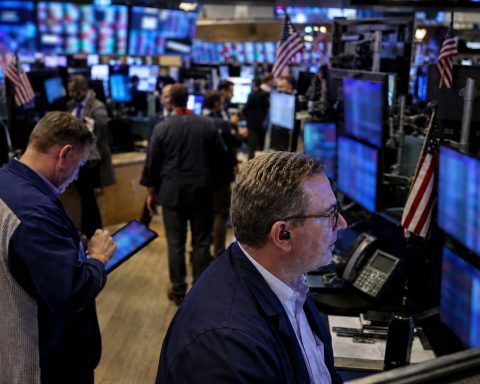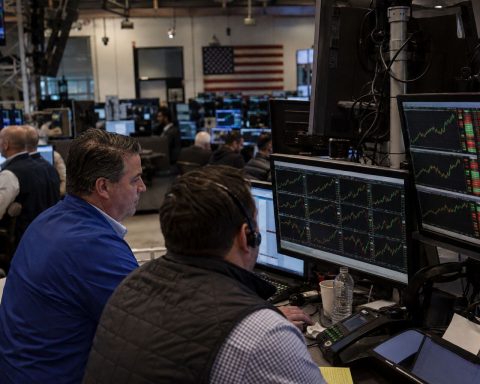

New York – The US stock market steadied and bounced on Tuesday, December 2, 2025, as Wall Street tried to shake off Monday’s sharp sell‑off. Major indexes opened higher, supported by easing bond market jitters, a rebound in cryptocurrencies, and rising confidence that the Federal Reserve will cut interest rates at its meeting next week.
At the opening bell, the S&P 500 was up about 0.3%, the Dow Jones Industrial Average added roughly 0.1%, and the Nasdaq Composite climbed around 0.6%, with growth and tech names leading the move.Chron By early afternoon, equities were still posting “mild gains,” with the S&P 500 on track for its sixth advance in seven sessions and trading not far from record territory hit in late October.Bloomberg+1
How Wall Street Is Trading Today
After Monday’s drop, futures markets signaled early that Tuesday would start on firmer footing. Before the open, Dow, S&P 500 and Nasdaq 100 futures were up about 0.16%, 0.26% and 0.42% respectively, suggesting a modest recovery.
Once regular trading began:
- S&P 500: Up roughly 0.3% shortly after the open, extending its impressive late‑November run and hovering around the 6,800 level later in the session, near all‑time highs.
- Dow Jones Industrial Average: Up about 37 points (0.1%) in early trading, lagging the broader market as defensive and value names continue to see less demand than growth and AI‑linked stocks.
- Nasdaq Composite: Up around 0.6%, as chipmakers, cloud software and other growth names rebounded from Monday’s weakness.
The tone was notably calmer than Monday’s risk‑off session. Treasury yields were mixed but no longer surging, and bitcoin, which tumbled below $85,000 on Monday, clawed back toward $89,000, easing pressure on crypto‑linked stocks and broader risk sentiment.
What Changed From Monday’s Sell‑Off
Monday marked the first meaningful pullback on Wall Street in more than a week – and the first trading day of December lived up to the “bumpier December” warning from global strategists.Reuters
Key elements of Monday’s move:
- Major index declines: The Dow fell about 0.90%, the S&P 500 lost 0.53%, and the Nasdaq Composite slipped 0.38%, ending a multiday win streak for all three.
- Rising yields: Treasury yields jumped as investors reacted to weaker manufacturing data and a global bond sell‑off triggered in part by the Bank of Japan hinting at a possible rate hike.
- Crypto drag: Bitcoin dropped more than 5–6% on Monday, its largest one‑day dollar loss since 2021, pressuring speculative tech and crypto‑exposed names.
- Manufacturing slump: The ISM survey showed US manufacturing contracted for the ninth straight month in November, with tariffs and weak orders weighing on factories.
Despite that turbulence, Tuesday’s action suggests investors still see the pullback as a chance to “buy the dip” in an index that remains close to record highs.
Fed Rate‑Cut Bets Dominate the Narrative
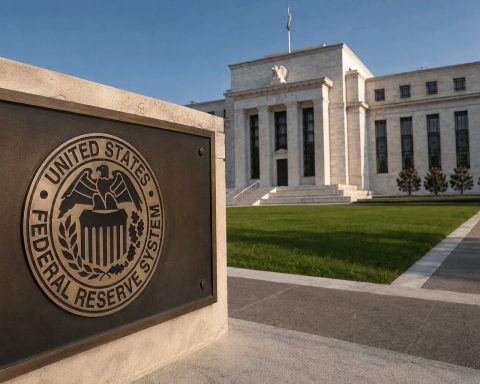
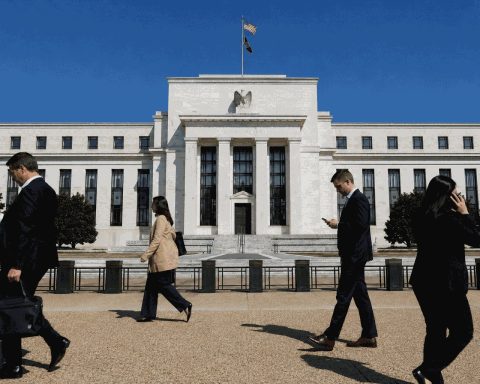
The December 10 Federal Reserve meeting is the central story for global markets this week and next.
Futures markets are now pricing roughly an 87–88% chance that the Fed will cut rates by 25 basis points next week, according to the CME FedWatch tool and coverage from both Reuters and independent macro outlets.
Several factors are feeding those expectations:
- Soft manufacturing and cooling economy: The ongoing contraction in manufacturing activity and evidence of a “gradually cooling” economy support the case for easing policy.Reuters+1
- Inflation at the lower end of forecasts: Core PCE inflation is running around 2.9%, slightly below the Fed’s own 3.1% projection.
- Fed already in cutting mode: The Fed has already cut rates twice in 2025 to shore up a slowing job market, and investors expect a third cut to keep growth from slipping into recession.
Analysts at Bank of America now expect a 25‑basis‑point cut in December, reversing earlier assumptions of a pause, citing weaker labor data and dovish commentary from key Fed officials.
However, policymakers remain divided. Some Fed voters emphasize the risk that too many cuts could re‑ignite inflation, while others prioritize supporting employment. That tension is playing out in markets through volatile rate expectations, currency swings, and sector rotations inside the equity market.
Economic Signals: Weak Factories, Brighter Growth Outlook
The macro backdrop for the US stock market today is a mix of short‑term softness and long‑term cautious optimism.
Manufacturing and data in focus
- Manufacturing recession: ISM data show US factories have been in contraction for nine consecutive months, with tariffs and rising input prices cited as key headwinds.
- Upcoming PCE and jobs data: Investors are closely watching Wednesday’s ADP employment report and Friday’s delayed PCE inflation release, the Fed’s preferred inflation gauge, as final inputs to the December policy decision.
OECD and longer‑term growth
In contrast to the near‑term gloom in manufacturing, the OECD has raised its 2025 and 2026 US growth forecasts, citing heavy investment in artificial intelligence, ongoing fiscal support and the prospect of Fed rate cuts.
RBC Wealth Management’s latest “Market overview: More but less” note, also published on December 2, leans on similar themes. Strategists there argue that:
- A recession in the major economies must be avoided to keep equity markets on an upward path.
- US GDP growth in the 2.1%–3.0% range historically aligns with much stronger S&P 500 returns than growth below 2%.
- The consensus 2026 US GDP forecast around 1.9% leaves little margin for error; a modest upside surprise could shift markets into a more rewarding regime.
Sectors and Stocks on the Move Today
Tech, AI and “risk‑on” names lead
Tuesday’s rebound was led by growth stocks, especially those tied to the AI and cloud computing boom. Bloomberg’s live market coverage noted that the S&P 500’s advance was driven by “riskier corners of the market,” including small caps, heavily shorted stocks, and unprofitable tech names that bore the brunt of Monday’s sell‑off.Bloomberg
Earnings winners: MongoDB and United Natural Foods
Fundamental stories also helped support the tape:
- MongoDB (MDB) jumped about 24.6% after its latest quarterly results beat expectations, highlighting continued demand for data and AI infrastructure.
- United Natural Foods (UNFI) gained more than 8% after reporting stronger‑than‑expected profit, suggesting that at least some consumer‑facing businesses are managing cost pressures and shifting demand reasonably well.
On the flip side, Signet Jewelers dropped around 5.6% after issuing a holiday‑season revenue forecast that fell short of Wall Street’s expectations, underscoring the uneven nature of consumer spending.
Boeing, Warner Bros Discovery and crypto stocks
Pre‑market action and early trading also highlighted several notable movers:
- Boeing climbed about 3% after projecting that higher deliveries of its 737 and 787 jets will be a major driver of positive cash flow next year.
- Warner Bros Discovery rose after reports of a second round of bids for its assets, including an offer from Netflix, fueling deal‑speculation in media and streaming.
- Crypto‑linked stocks such as MicroStrategy and Coinbase bounced about 1.8% each as bitcoin prices stabilized following Monday’s steep drop.
Beyond Meat: Meme‑style short squeeze returns
One of the day’s loudest single‑stock stories is Beyond Meat (BYND), which surged roughly 35% intraday to around $1.34 per share, despite ongoing fundamental challenges.
Key points from today’s BYND action:
- The spike is widely described as a short squeeze: around 21% of the float is sold short, making the stock highly sensitive to rushes of buying or forced covering.
- The underlying business remains strained, with double‑digit revenue declines, widening losses, heavy dilution after an October debt exchange, and a $38.9 million legal judgment adding to the overhang.
- Across major analyst platforms, the consensus rating on BYND is still “Sell” or “Strong Sell”, with average 12‑month price targets clustering only modestly above or even below the current price.TechStock²
For the broader market, BYND is a reminder that speculative pockets remain very active — and that not all big movers are driven by improving fundamentals.
What Strategists Are Saying: “More, But Less”
Beyond the day‑to‑day headlines, institutional strategists are using early December to reset their medium‑term views.
RBC’s new outlook offers a useful snapshot of how professional investors see the US stock market today:RBC Wealth Management+1
- After three consecutive years of strong equity gains, a fourth year of positive returns is possible, but likely at a more “sober” pace.
- RBC expects developed‑market equities, including US stocks, to post more new highs in 2026 with overall positive returns.
- However, both megacap AI leaders and the rest of the S&P 500 are trading at price‑to‑earnings multiples above their long‑term averages, suggesting valuations are already rich.
- Their base‑case modeling points to high single‑digit gains for the S&P 500 over the next year, with a more bullish scenario delivering low‑teens returns if inflation falls toward 2% and the Fed cuts more aggressively.
- On the other hand, if growth disappoints and inflation or rates move higher instead of lower, RBC’s downside scenarios place the S&P 500 back in the low‑6,000s.
In short, the equity bull case now depends on a delicate balance: GDP strong enough to support nearly 13% earnings growth in 2026, but weak enough that inflation stays subdued and allows further Fed easing.
Cross‑Asset Picture: Yields, Dollar, Gold and Crypto
The US stock market today is also being shaped by moves in other asset classes:
- Treasury yields: The 10‑year US yield is hovering near 4.1%, up slightly from Monday’s close and close to a two‑week high, as global bond markets digest Japan’s possible pivot away from ultra‑easy policy.
- US dollar: The dollar is mixed — firmer against the yen but softer against some other majors, as traders position for a Fed cut while European inflation data reduce expectations of further ECB easing.
- Gold and silver: Gold is down about 1% after touching a six‑week high, as investors take profits and respond to higher yields and a slightly stronger dollar. Silver is also easing after a record high above $58 per ounce.
- Bitcoin and crypto: After Monday’s sharp slide, bitcoin is bouncing but remains well below recent peaks, keeping volatility elevated across crypto‑linked equities.
For equity investors, this mix of still‑elevated yields, a volatile dollar, and wild swings in crypto and precious metals reinforces the sense that financial conditions are loosening only gradually — not collapsing as in past easing cycles.
Key Themes for US Equity Investors Right Now
Pulling today’s news, forecasts and analysis together, several themes stand out for anyone watching the US stock market:
- The Fed is in the driver’s seat
Markets are almost fully priced for a December rate cut, but debate over 2026 remains intense. Every inflation and jobs report between now and mid‑2026 will matter for valuations. - Growth vs. inflation is a narrow path
Manufacturing weakness and tariff‑related headwinds show up clearly in data, yet the OECD and private strategists still see upside risk to US GDP if AI investment and fiscal support stay strong. - AI, megacaps and stretched valuations
AI leaders still command premium multiples, and even the “cheaper” parts of the S&P 500 now trade above historical norms. That raises the bar for both earnings and macro growth.RBC Wealth Management+1 - Crypto and rate shocks fuel cross‑asset volatility
Monday’s synchronized sell‑off in global bonds, crypto and stocks underscored how quickly sentiment can flip when central bank messaging shifts — in this case, on hints of a Bank of Japan rate hike. - Selective stock picking is back in focus
MongoDB, Boeing, Warner Bros Discovery, United Natural Foods and Beyond Meat all moved sharply today for company‑specific reasons. That’s a reminder that even in a macro‑driven tape, earnings, balance sheets and idiosyncratic stories still matter.
What to Watch for the Rest of the Week
Looking beyond today’s action, here are the key catalysts that could move the US stock market over the next few days:
- ADP employment report (Wednesday) – A softer‑than‑expected number would likely reinforce rate‑cut bets; a big beat could challenge the consensus.
- PCE inflation data (Friday) – The Fed’s preferred gauge; a benign reading could seal the deal for a December cut and support further equity gains.
- Earnings from CrowdStrike, Marvell Technology, GitLab and Okta – High‑growth tech and cybersecurity names will offer a fresh look at spending trends in AI, cloud and enterprise software.
- Fed speakers and December 10 meeting – Markets will parse every comment from Fed officials, including Vice Chair for Supervision Michelle Bowman’s testimony on financial regulation, for hints about the pace of cuts in 2026.
Bottom Line
The US stock market today is trying to thread a needle:
- Equities are rebounding from Monday’s drop and remain close to record highs.
- Bond and currency markets are stabilizing but still reflect real uncertainty about the Fed’s path.
- Strategists see room for more gains in 2026 — but mostly at a slower, more valuation‑sensitive pace.
For investors, that likely means less about chasing the broad index and more about:
- understanding where rate cuts help or hurt,
- distinguishing durable earnings growth from hype, and
- managing risk in an environment where headlines on tariffs, AI spending and central banks can change the tone of the market in a single session.
As always, this overview is for information purposes only and is not investment advice. Anyone making portfolio decisions should consider their own objectives, risk tolerance and, ideally, consult a qualified financial professional.
Related articles: Federal Reserve