
NEW YORK, April 15, 2026, 14:26 EDT
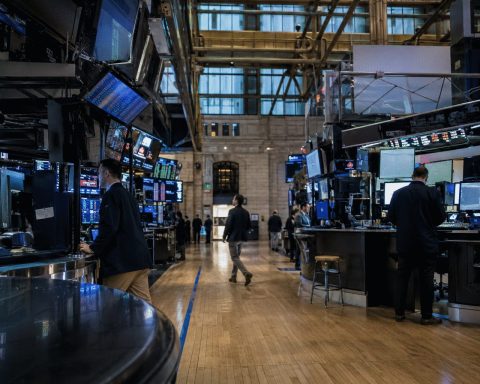
U.S. stocks pressed upward Wednesday, the S&P 500 setting a fresh intraday high—the first since the U.S.-Iran conflict erupted—while the Nasdaq advanced nearly 1% by midafternoon. The Dow trailed behind, but sentiment held up, fueled by robust bank earnings and renewed optimism for possible Washington-Tehran talks.
This shift carries weight: investors are putting money into U.S. stocks despite lingering oil shock worries around inflation. Citigroup upgraded U.S. equities to overweight this week. Their call? The valuation gap between the U.S. and other developed markets is narrowing toward its old averages, with tech leading an increasing chunk of global earnings growth.
This marks a notable turnaround from late March, when the S&P 500 was down more than 9% and flirting with correction territory—a 10% slide off its recent peak. Oil prices remain about 40% higher than where they stood on Feb. 27. Treasury yields are also up, and futures markets now reflect expectations for less than one full quarter-point Fed rate cut by December.
“We don’t have a resolution yet but investors don’t want to miss the rebound,” said Burns McKinney, portfolio manager at NFJ Investment Group. For Anthony Saglimbene, chief market strategist at Ameriprise, it’s a shift: the market is pushing beyond “peak uncertainty” as traders pull back from the worst-case scenarios that had weighed on sentiment earlier this month. Reuters
Financial stocks punched up the rally. Bank of America popped after first-quarter earnings topped forecasts. Morgan Stanley advanced too, with record equities trading and a pickup in dealmaking fueling the move. JPMorgan had already delivered a bigger profit surprise the previous day. Over at Bank of America, CEO Brian Moynihan told investors the bank was seeing “healthy client activity, including solid consumer spending and stable asset quality”—language that traders quickly took as a signal about the broader economy. Reuters
The Nasdaq got a fresh jolt. Meta’s expanded custom-chip agreement with Broadcom fed into the sense that tech’s giants are still pouring money into artificial intelligence hardware, looking to cut back on Nvidia’s expensive processors. That ongoing investment has yanked growth stocks off the mat after their earlier tumble, which was triggered by software weakness.
Still, inflation remains a rough spot. U.S. import prices climbed 0.8% in March—not as much as economists had expected. Analysts pointed out that the brunt of the energy shock isn’t yet visible in the numbers. Producer prices, meanwhile, jumped 0.5% for the month and are now 4.0% higher than a year ago. That’s the quickest annual pace in three years, suggesting fuel costs are squeezing company margins and filtering down to households.
The rally faces a real threat here. B. Riley Wealth’s Art Hogan says investors are looking for “more concrete evidence” that peace talks will lead to a tangible outcome. The IMF trimmed its 2026 global growth outlook on Tuesday, warning that an extended conflict could drag the world economy to the brink of recession. Oil prices? Still up roughly 31% from where they were before the war. Reuters
Right now, price is doing the talking for Wall Street. Should diplomacy stay intact and earnings keep surprising to the upside, the S&P 500 might spend the rest of this week tussling near new records. But if one of those wobbles, traders are likely to zero in on oil and yields first.
Related articles: NASDAQ:META