
NEW YORK, June 28, 2026, 13:04 EDT
- S&P 500 dropped 2.05% last week and the Nasdaq fell 4.7%. The chip index was hit harder, down 7.9% in its worst week since early April.
- The equal-weight S&P 500 added 1.5%, while the S&P 600 jumped over 3%. Breadth outperformed as big names lost ground.
- June payroll numbers will be reported Thursday, July 2. U.S. markets will be closed Friday for Independence Day.
- Stock-specific moves are likely this week, with SpaceX NASDAQ:SPCX index action and NIKE Inc NYSE:NKE results on deck in a quiet stretch.
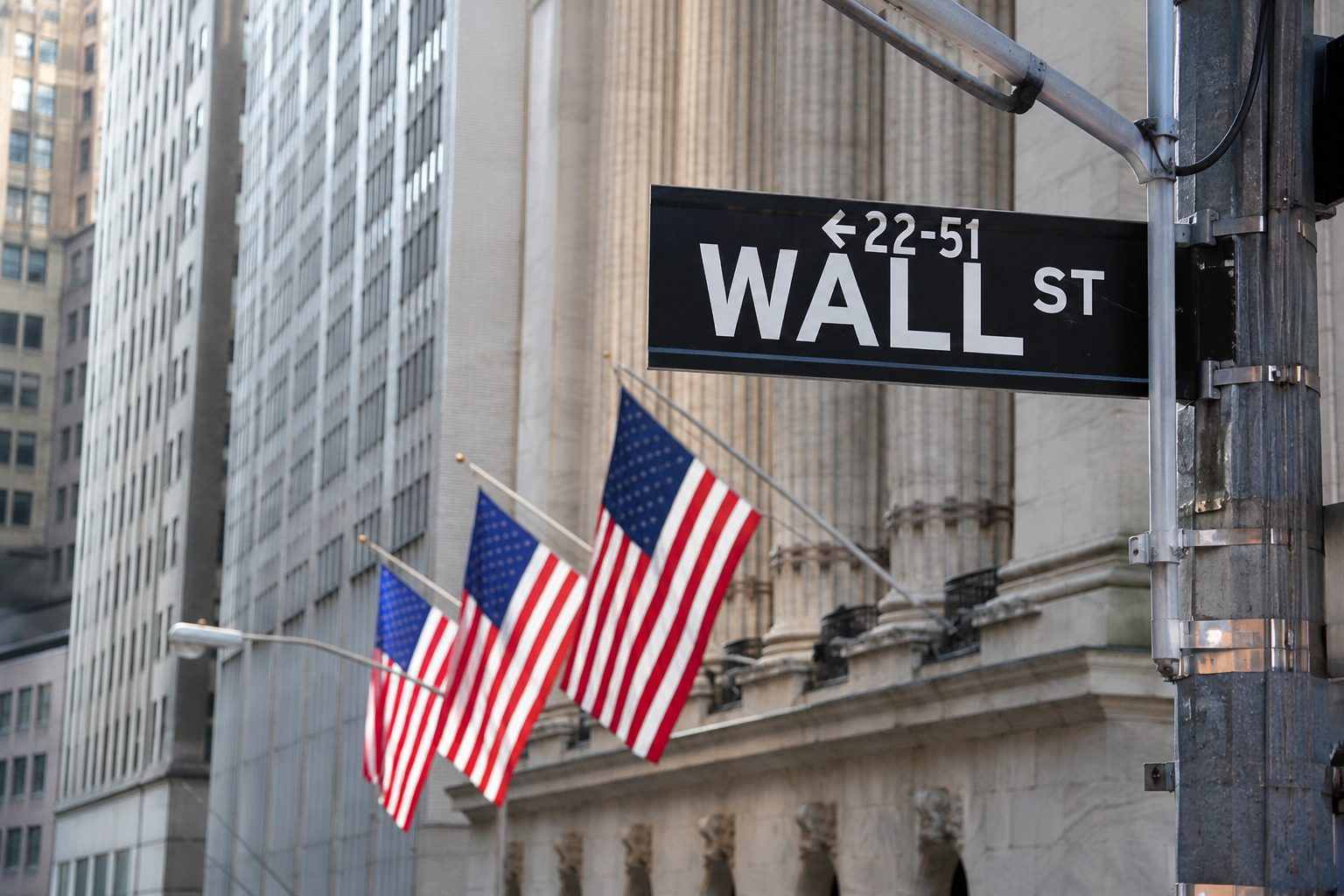
U.S. cash stock markets are closed Sunday. Wall Street heads into the new week with just four trading days, and the most crowded trade is still the weakest spot: AI tech. The S&P 500 closed Friday at 7,353.95, slipping 0.05%. The Nasdaq dropped 0.24% to 25,297.62, and the Dow was off 0.09% at 51,876.11.
S&P 500 dropped 2% this week, led by tech, according to NYSE strategists Eric Criscuolo and Michael P. Reinking. But they pointed to stronger “underlying metrics”: the equal-weight S&P 500 added 1.5%, the S&P 600 gained over 3%, and most sectors—seven out of 11—were up. New York Stock Exchange
Cap-weighted indexes mean a lot of portfolios track the market through these big names. If the rotation keeps up, rising smaller stocks and old laggards might not offset the drag from mega-cap tech in the indexes. Jobs data that raise rate odds could put more pressure on small caps and cyclicals, right as new Russell index members begin trading after reconstitution on June 26.
Bigger outflows hit U.S. equity funds this week. Investors pulled $3.53 billion in the week to June 24, LSEG PLC LON:LSEG Lipper said. That cuts into the $37.63 billion that went in during the previous week. Tech funds saw outflows close to $20 billion after $21.46 billion in inflows last week.
June jobs data is due Thursday. The Bureau of Labor Statistics plans to release the monthly employment report at 8:30 a.m. ET on July 2, just before U.S. markets shut for the July 4 holiday. Reuters says economists predict a 110,000 gain in payrolls after May’s 172,000 increase.
Stocks could get hit by a strong jobs print instead of getting a lift from it. Doug Huber, deputy chief investment officer at Wealth Enhancement, told Reuters the market is “not going to treat that as good news” if hiring is too hot. Brad Conger at Hirtle & Co said the Fed is “very finely balanced.” Julia Hermann from New York Life Investment Management called it a “live question” whether higher rates will knock tech from the lead. Reuters
Semiconductors are still under pressure. The PHLX chip index fell 5.3% on Friday, dropping 7.9% over the week. That’s even after Micron Technology Inc NASDAQ:MU posted strong results and offered some support. David Stubbs, chief investment strategist at AlphaCore Wealth Advisory, said the “profitability and capex story” with AI is still in play. Reuters
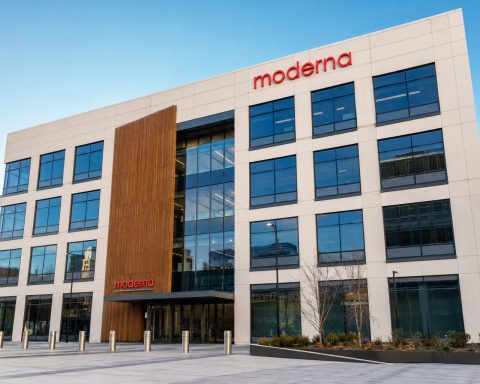
Apple Inc NASDAQ:AAPL bounced back 3.1% on Friday, clawing back losses after a selloff that followed hikes in iPad and MacBook prices. Apple said the move was due to rising costs for memory and storage chips. B. Riley Wealth’s Art Hogan called it “renewed inflationary pressure.” Inflation is stretching past oil. Moderna Inc NASDAQ:MRNA jumped nearly 13% as healthcare names helped keep market breadth from sagging completely, even as the main indexes didn’t hold up. Reuters
SpaceX NASDAQ:SPCX is heading into the Nasdaq 100, Nasdaq told Reuters. The move happens July 7. JPMorgan Chase & Co NYSE:JPM sees about $4.3 billion coming in from passive funds on the change. Michael Field, strategist at Morningstar Inc NASDAQ:MORN, said, “the stock is overvalued.” Reuters
NIKE Inc NYSE:NKE is set to post its fiscal Q4 numbers after the bell Tuesday. The shares have become a check on the consumer as investors look for signs that sectors outside AI can keep up into the back half.
BIS flags risks from debt, inflation, AI financingThe Bank for International Settlements gave a Sunday alert about growing debt, sticky inflation, and how artificial intelligence is getting financed. “Policy actions must reinforce each other,” BIS General Manager Pablo Hernandez de Cos said. The new report pointed to AI investment funding as leaning more on debt and complex deal structures running through the whole supply chain. Reuters
Related articles: NASDAQ:MRNA