
NEW YORK, January 3, 2026, 05:17 ET — Market closed
- USAR led a sharp move higher in the first U.S. trading session of 2026, with volume spiking.
- Gains tracked a broader risk-on tone and strength in other U.S.-listed rare earth names.
- Next up: key U.S. labor data next week and the company’s next expected earnings window.
USA Rare Earth, Inc. shares jumped 18.9% on Friday, closing at $14.15 after trading between $12.17 and $14.41 and changing hands 11.26 million times, according to data compiled by StockAnalysis.
The surge put the small-cap rare earths developer back on trader screens as investors reset positioning for the new year and looked for leverage to themes around U.S. supply-chain reshoring.
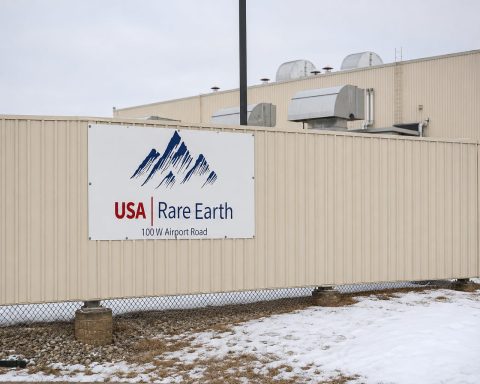
USA Rare Earth says it is building a sintered “neo” magnet manufacturing facility in Stillwater, Oklahoma — “neo” refers to neodymium‑iron‑boron magnets used in products ranging from electric vehicles to consumer electronics. The company says it plans to reach commercial production in the first half of 2026, with full-capacity output of nearly 5,000 metric tons annually. Usare
The company is also scheduled to exhibit at CES in Las Vegas from January 6-9, listing a West Hall booth on its website as it courts potential customers for U.S.-made magnets.
Friday’s move came as U.S. stocks opened 2026 with a rebound, with the Dow up 0.66% and the S&P 500 up 0.19% while the Nasdaq ended little changed, Reuters reported. Joe Mazzola, head of trading and derivatives strategy at Charles Schwab, said the market is seeing a “buy the dip, sell the rip” mentality. Reuters
Rare-earth peer MP Materials rose 8.9% to $54.97, reflecting renewed appetite for domestically focused critical-minerals names at the start of the year.
Sector attention also lingered after Reuters reported on December 31 that Critical Metals expects to finalize remaining offtake agreements for its Tanbreez rare earths project in Greenland by early 2026, underscoring continued investor focus on Western supply deals.
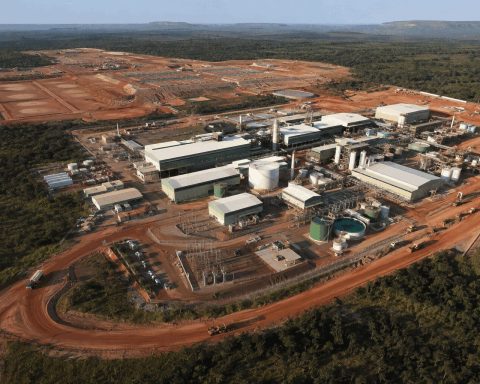
USA Rare Earth has been positioning itself as a “mine-to-magnet” play. In December, it said it would bring forward commercial production at its Round Top rare earths project in Texas to late 2028 from 2030. Reuters
For USAR, investors are likely to focus on any updates around customer commitments and commissioning milestones for the Stillwater plant, where timelines matter because the company is still in buildout mode.
Before the next session, traders will also be watching U.S. data that can shift rate expectations and risk appetite — including the Job Openings and Labor Turnover Survey on January 7 and the Employment Situation report for December on January 9, according to the Bureau of Labor Statistics schedule.
On the corporate calendar, Nasdaq’s earnings page lists February 5 as the next estimated earnings report date for USA Rare Earth, though the date can change.
Related articles: NASDAQ:USAR