
NEW YORK, March 29, 2026, 11:08 EDT
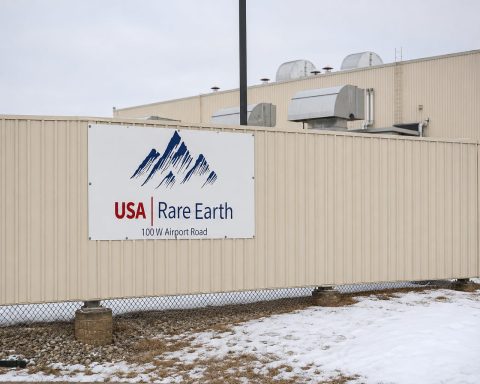
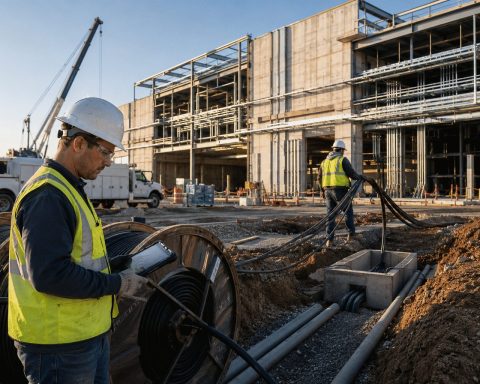
Shares of USA Rare Earth (USAR) slipped 3.6% Friday, finishing at $15.42. The move came after Thursday’s news: USAR kicked off Phase 1a of its commercial magnet production line in Stillwater, Oklahoma. The company says this is the first step toward filling customer orders in Q2.
The milestone shifts attention from the usual financing buzz to actual on-the-ground factory development. Washington and its allies are working to establish rare-earth supply chains that don’t run through China—essential, since those magnets find their way into EVs, smartphones, and military equipment.
Commissioning signals that the production line is officially ready to start commercial output. USA Rare Earth intends to use this facility to make sintered neodymium-iron-boron (NdFeB) magnets. Chief Executive Barbara Humpton called it “a major step.” GlobeNewswire
The company expects Phase 1a to reach a 600-metric-ton annual run rate by the end of 2026. Management says adding a second production line would push Stillwater’s active capacity up to 1,200 metric tons a year in the first quarter of 2027.
The stock slipped amid a sharp Wall Street selloff. Oil prices climbed again, slamming the Nasdaq, which tumbled 2.15%, and pulling the S&P 500 down 1.67%. Worries about the Middle East war fueling inflation and threatening growth kept investors uneasy. “Words alone aren’t cutting it right now,” said Matt Britzman, senior equity analyst at Hargreaves Lansdown. Reuters
USA Rare Earth shares soared 15% in January after word got out that the Trump administration planned to support a $1.6 billion debt-and-equity package, and the company lined up $1.5 billion via a PIPE—private investment in public equity. Investors rushed in, looking for a boost to the Round Top project in Texas and the magnet plant in Oklahoma, Reuters reported.
Momentum is picking up. USA Rare Earth on March 5 agreed to an all-stock deal valued at about $73 million to buy out the remainder of Texas Mineral Resources, securing 100% ownership of the Round Top deposit.
There’s activity elsewhere in the sector too. Lynas Rare Earths signed a preliminary deal this week with LS Eco Energy, hoping to ramp up rare earths supply for U.S. magnet makers. MP Materials, for its part, said a lift in U.S. price support and magnet sales pushed it back into the black last quarter, according to a statement from February.
USA Rare Earth hasn’t given up on joining the rare earth elite. Only Lynas and MP Materials have managed to run large-scale operations outside China so far, Arafura Rare Earths boss Darryl Cuzzubbo noted this week. Neha Mukherjee at Benchmark Mineral Intelligence labeled the latest NdPr price surge as “short term.” Reuters
Major uncertainties remain. USA Rare Earth says the U.S. government’s planned support isn’t locked in—funding would roll out in phases, each tied to hitting set milestones, and the total amount might fall short of early projections. Only last week, Representative Zoe Lofgren called the arrangement “highly concerning” and asked for more information on the deal. USA Rare Earth
Stillwater’s second-quarter deliveries are coming up. The federal aid? That remains at the letter of intent stage—funding hasn’t been locked in.
Related articles: NASDAQ:USAR