
HOUSTON, Jan 3, 2026, 06:31 ET
- PDVSA production and refining were running normally after U.S. attacks, two sources said.
- A U.S. blockade and fresh sanctions have already cut Venezuela’s exports and strained storage.
- Oil prices stayed range-bound as traders weighed geopolitics against expectations of ample supply.
Venezuela’s state-run oil company Petroleos de Venezuela (PDVSA) kept production and refining running normally on Saturday after U.S. attacks aimed at extracting President Nicolas Maduro, two sources familiar with the company’s operations said. An initial assessment found no damage at its most important facilities. The port of La Guaira near Caracas suffered severe damage but is not used for oil operations, one of the sources said.
The strikes raised fresh uncertainty around Venezuelan crude and fuel flows, with traders watching for any disruption at export infrastructure after weeks of tightening U.S. enforcement. U.S. President Donald Trump said the United States carried out a large-scale strike and captured Maduro and his wife, while Venezuelan officials demanded proof of life.
The timing matters because PDVSA has been grappling with a bottleneck even before Saturday’s attack. Residual fuel — a heavy byproduct that includes high-sulfur fuel oil — has been piling up as export routes narrowed, pushing inventories toward capacity and forcing PDVSA to use floating storage, meaning oil held on tankers offshore, sources said. About 25 million barrels of residual fuel were already in onshore and floating storage, and PDVSA was weighing steps including reopening idled tanks and diverting fuel to waste pools to avoid disruptions at the 955,000-barrel-per-day (bpd) Paraguana Refining Center, the sources said.
Washington has also expanded sanctions on the trading and shipping network that moves Venezuelan barrels. On Wednesday, the U.S. Treasury sanctioned four companies it said operated in Venezuela’s oil sector and four vessels, including Nord Star, Lunar Tide, Della and the Hong Kong-flagged supertanker Valiant. The Della, which was scheduled to load at Venezuela’s Jose port, turned away on Dec. 21 after the U.S. Coast Guard tried to intercept two Venezuela-related vessels, ship-tracking data showed. Treasury said some of the ships were part of a shadow fleet — older tankers with opaque ownership that move sanctioned oil, often without top-tier insurance.
Maduro said in a New Year’s interview that Venezuela was willing to accept U.S. investment in its oil sector and hold talks with Washington, while offering cooperation on drug trafficking. Chevron has continued exporting Venezuelan oil under a special U.S. license even as sanctions and tanker seizures have disrupted other cargoes, the report said.
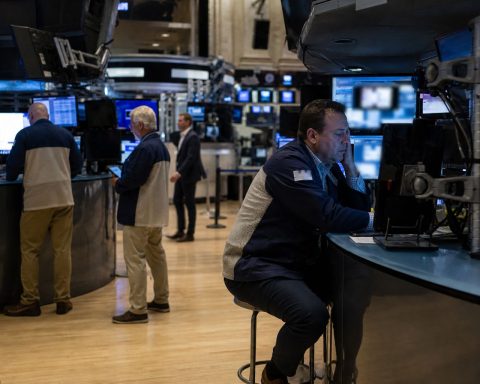
Benchmark crude prices ended Friday little changed despite the Venezuela headlines, with Brent settling at $60.75 a barrel and U.S. West Texas Intermediate (WTI) at $57.32. “Oil prices are locked in this long-term trading range,” said Phil Flynn, senior analyst with Price Futures Group. OPEC+, the Organization of the Petroleum Exporting Countries and allies, meets on Sunday and traders expect the group to keep pausing output increases in the first quarter. Reuters
Any interruption in Venezuela would be felt most acutely in heavier grades, which are less interchangeable than lighter crudes once a refinery sets its run plan. Disruptions also tend to show up first in shipping schedules rather than headline production numbers.
The next test is logistical: tankers need to load, clear and sail. When storage stays full and ships cannot depart, operators typically have to slow output to keep facilities running safely.
Sanctions add friction beyond the dock. They complicate payments, financing and insurance, because many counterparties avoid transactions that could expose them to U.S. penalties.
For PDVSA, keeping refineries stable matters as much as keeping exports moving, because bottlenecks in fuel oil and other byproducts can force unplanned cuts. That can cascade into lower crude runs and fewer export cargoes.
For buyers, the question is whether licensed flows can continue and whether shipping risk widens the discounts demanded for Venezuelan barrels. That calculus can shift quickly as new designations land.
Port activity and ship movements over the weekend should offer the first clues on whether Saturday’s attacks remain a political shock or become an oil supply event.