
London, May 24, 2026, 07:24 (BST)
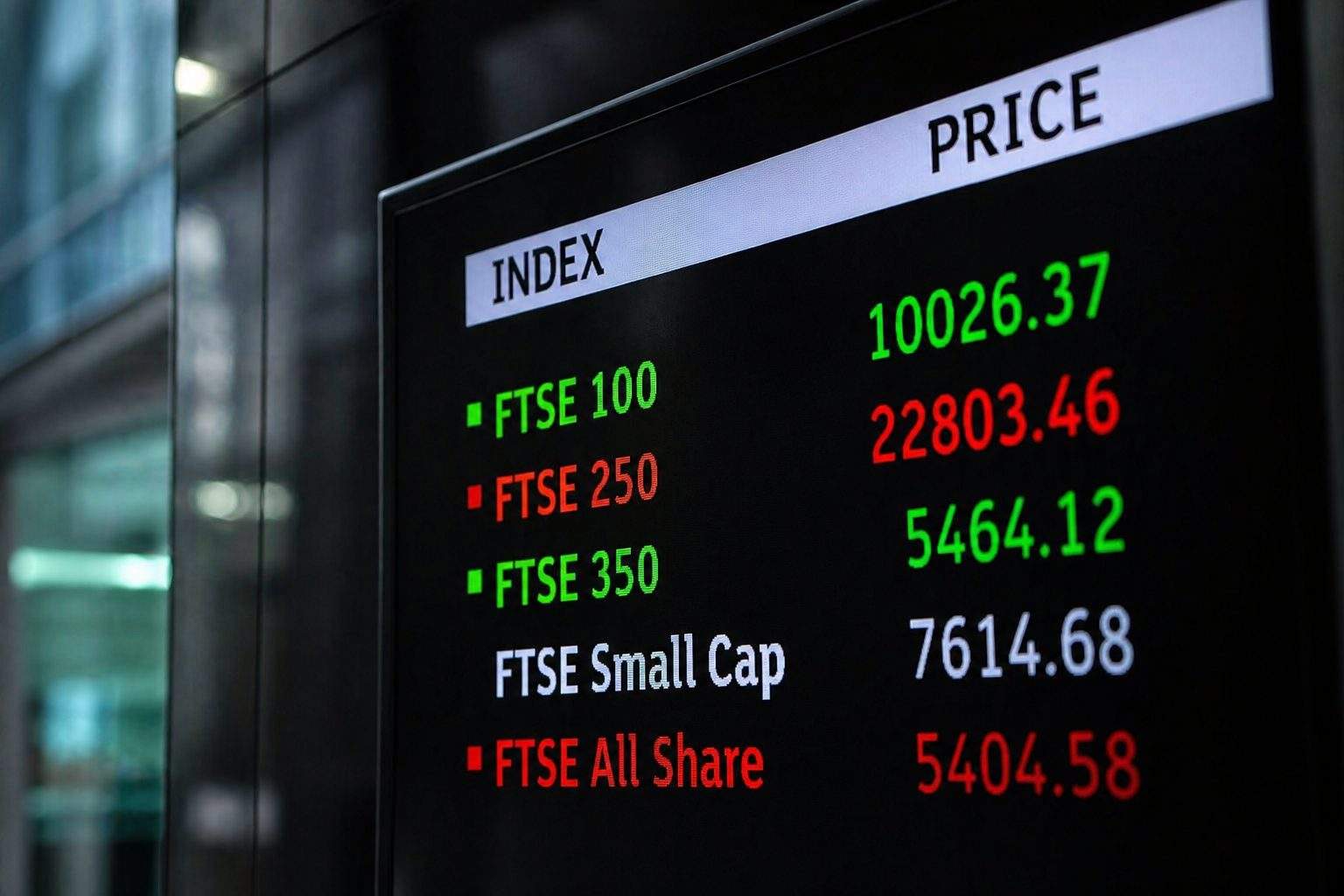
UK stocks start a holiday-shortened week after the FTSE 100 ended its four-week losing streak. London’s main index closed up 0.22% on Friday and added 2.66% over the week as traders backed off from expecting a near-term Bank of England rate hike. “The backdrop was much less conducive to a long-lasting bout of inflation than it was in 2022,” said Ruth Gregory, deputy chief UK economist at Capital Economics. Reuters
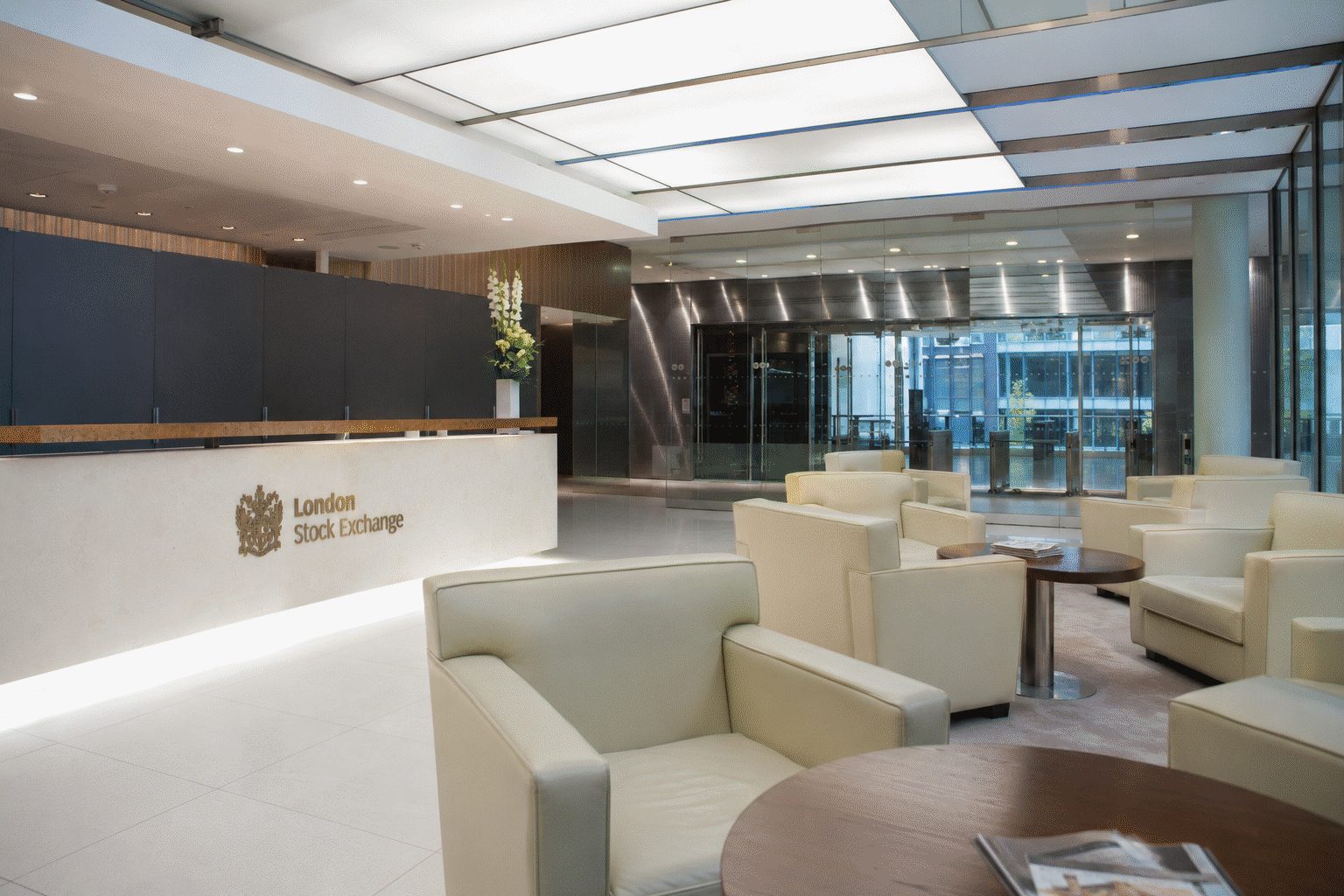
No full trading restart for markets on Monday. The London Stock Exchange stays shut May 25 because of the Spring Bank Holiday, so Tuesday’s session will pick up any weekend headlines around oil, politics, and the set of company results expected later this week.
The rebound stands out right now because it’s tied less to a strong growth story and more to hopes that weaker UK numbers could push back the Bank of England’s next rate move. Higher borrowing costs can hurt stock prices and consumer spending.
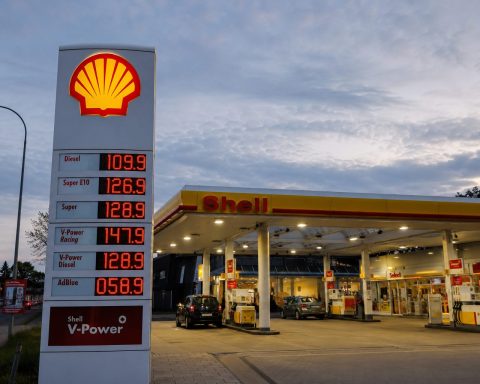
Consumer data remains weak. Retail sales volumes dropped 1.3% in April, the Office for National Statistics said. Automotive fuel sales fell 10.2% as higher prices kept drivers away from the pump and made them cut back on trips. Take out fuel, retail sales were still down 0.4%.
Business surveys kept pressure on, with S&P Global’s flash UK composite PMI dropping to 48.5 in May from 52.6 in April. Services pulled the index below the 50 contraction mark. Chris Williamson, chief business economist at S&P Global Market Intelligence, said “faltering economy and spiking price pressures” left the BoE in a “major quandary.”
The cleaner rate story stays wobbly. Reuters reported Sunday that Axios said the U.S. and Iran neared a 60-day ceasefire-extension deal to reopen the Strait of Hormuz. If talks break down, oil and fuel prices could again drive UK inflation and consumer-risk pricing.
Politics remains an overhang. According to Reuters on Saturday, British media said the UK proposed a single market for goods with the EU, but Brussels said no. The same report said Prime Minister Keir Starmer’s position at Downing Street looked shaky after weak local and regional election results.
Mid-cap M&A remains active. Bodycote said Friday it got an all-cash 885p per share offer from Apollo, putting a roughly £1.52 billion value on the thermal processor. Shares jumped as much as 19%. Reuters reported Bodycote is the latest UK-listed company—alongside Intertek and Tate & Lyle—to draw interest from foreign bidders.
Company events are light after the holiday, though there are still a few updates on domestic demand and infrastructure. Kingfisher has a first-quarter update set for Tuesday, according to Sharecast. Pets at Home and HICL Infrastructure report full-year numbers on Wednesday. Johnson Matthey and SSE both give updates Thursday. Aarin Chiekrie at Hargreaves Lansdown said SSE seemed “relatively immune” to the Middle East conflict. Sharecast
Retail investors want specifics, not just general optimism. Kingfisher’s numbers from B&Q and Castorama will show if home-improvement demand is holding up. Pets at Home results will gauge if shoppers are still spending on non-essentials while costs for fuel, food, and mortgages weigh on budgets.
Traders are watching for U.S. core PCE data on Thursday. The Fed prefers this inflation measure, which excludes food and energy. A stronger reading may send global bond yields up. A weaker number could add to hopes that central banks will stay on hold.
Households still face tough pressure in markets. Stephen Millard, deputy director at the National Institute of Economic and Social Research, told Reuters the recent inflation rise was “a bad hit at a bad time.” Oil prices are up nearly 50% since the Iran war started, Reuters said. Reuters
FTSE 100 trades on rate relief and a shortened week. But the margin for error is slim. Any negative oil news, a soft retailer readout, or higher yields could turn focus away from rate optimism to the UK’s growth worries.