
WASHINGTON, Jan 24, 2026, 03:23 EST
Electric bills are climbing across much of the U.S., with a Fast Company report on Thursday pointing to the AI data center boom as a major stress on the grid. In the Bay Area, PG&E’s average bill has jumped nearly 70% over five years, the report noted. A Bloomberg analysis it cited found electricity prices near some data centers have soared as much as 267% during the same stretch. Ryan Hledik of Brattle Group said, “We are seeing utilities run out of that spare capacity.” Fast Company added that Microsoft has pledged to cover grid upgrade costs tied to its new data centers. Oregon has taken a different approach, passing laws requiring data centers to pay their own bills. Some proposals would even classify these facilities as “interruptible,” meaning “they’re going to be the ones that get shut off first, not Grandma’s house,” said NRDC’s Jackson Morris. fastcompany.com
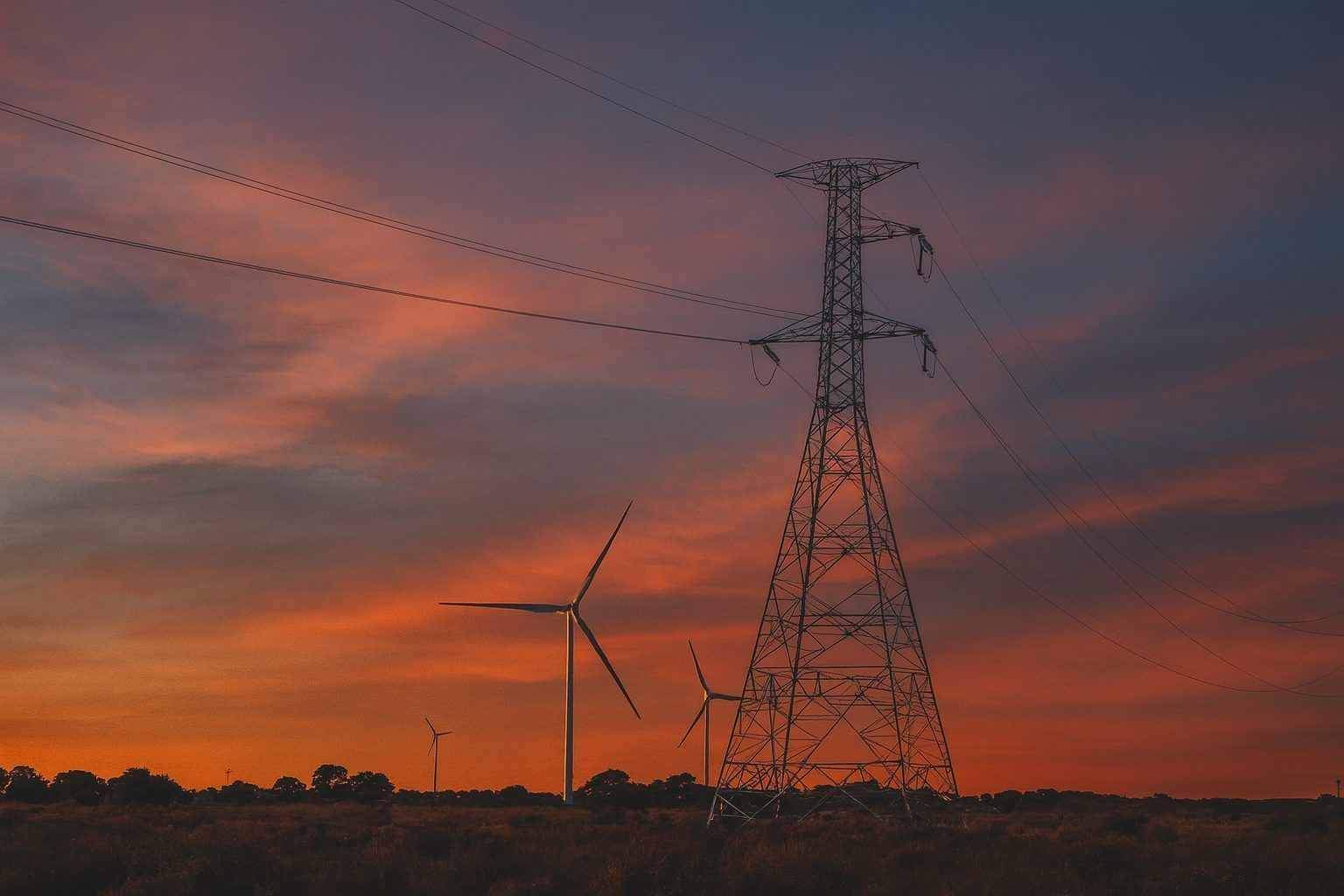
TIME reported average monthly residential electricity bills soared to about $156 in 2025, up from around $121 in 2021—a jump nearing 30%. From January to October alone, bills rose 12.7%. The magazine cited the National Energy Assistance Directors Association, which warned households may spend close to $1,000 this winter just heating their homes. It also flagged projections of as many as four million utility disconnections in 2025, tied to a drop in federal heating aid from $6.1 billion in 2023 to about $4 billion this year. The story pointed to an aging grid, noting that roughly 70% of U.S. transmission lines—high-voltage wires transmitting power long distances—are more than 25 years old. Christopher Knittel of MIT told TIME electricity prices have outpaced overall inflation, while Kenny Stein from the Institute for Energy Research said, “Anything that’s being built or installed right now costs more than it did just five years ago.” TIME
The issue has outgrown just fuel expenses. Attention now shifts to the next spending surge as utilities lay down wires, transformers, and fresh power plants to handle growing demand. Data centers—huge complexes packed with servers and cooling systems for cloud and AI services—are turning into hotspots because they frequently trigger major local infrastructure overhauls.
Electric utilities usually recoup large capital expenses through rates approved by state regulators, a process that slows bill relief amid high inflation. New projects tend to show up sporadically and under the radar, only catching attention months later.
One strategy gaining traction is creating a separate rate class for large new loads—a distinct billing category—so the “incremental costs,” or the added expenses of serving a new customer, aren’t shared by all customers. Another method is curtailment: offering “interruptible” service that allows utilities to reduce data center demand during peak periods, sidestepping the need to build excess capacity used only a few hours a year.
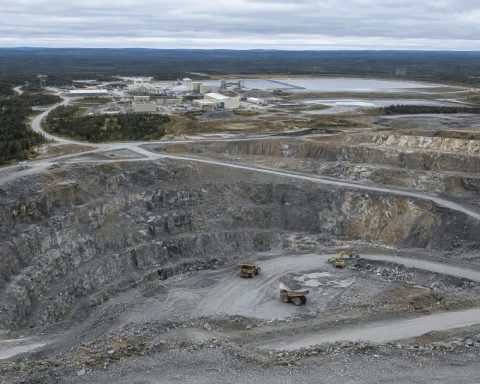
Delegate Andy Shamblin called out federal permitting in a West Virginia opinion piece this week. He said new mines, power plants, transmission lines, and gas pipelines often stall for years under layers of red tape and lawsuits before even starting construction. Those hold-ups, he added, push costs higher—costs that end up on consumers’ utility bills.
Senator Shelley Moore Capito, a Republican from West Virginia, chairs the Senate Environment and Public Works Committee, which oversees highways, water infrastructure, and EPA oversight. The committee lists Democrat Sheldon Whitehouse as the ranking member—a pairing Shamblin said could shape bipartisan moves on permitting.
None of these fixes guarantee lower rates. Utilities still need to cover grid upkeep, and shifting those costs to data centers might push service prices higher. The curtailment rules carry their own risks: if utilities misjudge demand, “interruptible” customers could push back, and communities expecting new jobs and tax income might see projects delayed or forced to change.
Timing is still the biggest hurdle for households. Regulators might shift who pays for new infrastructure, but the bills landing in mailboxes will still mirror years of past spending decisions. The rate cases ahead—where utility fees get the green light—are poised to fuel the ongoing debate.
Related articles: NASDAQ:MSFT