
New York, May 22, 2026, 17:01 (EDT)
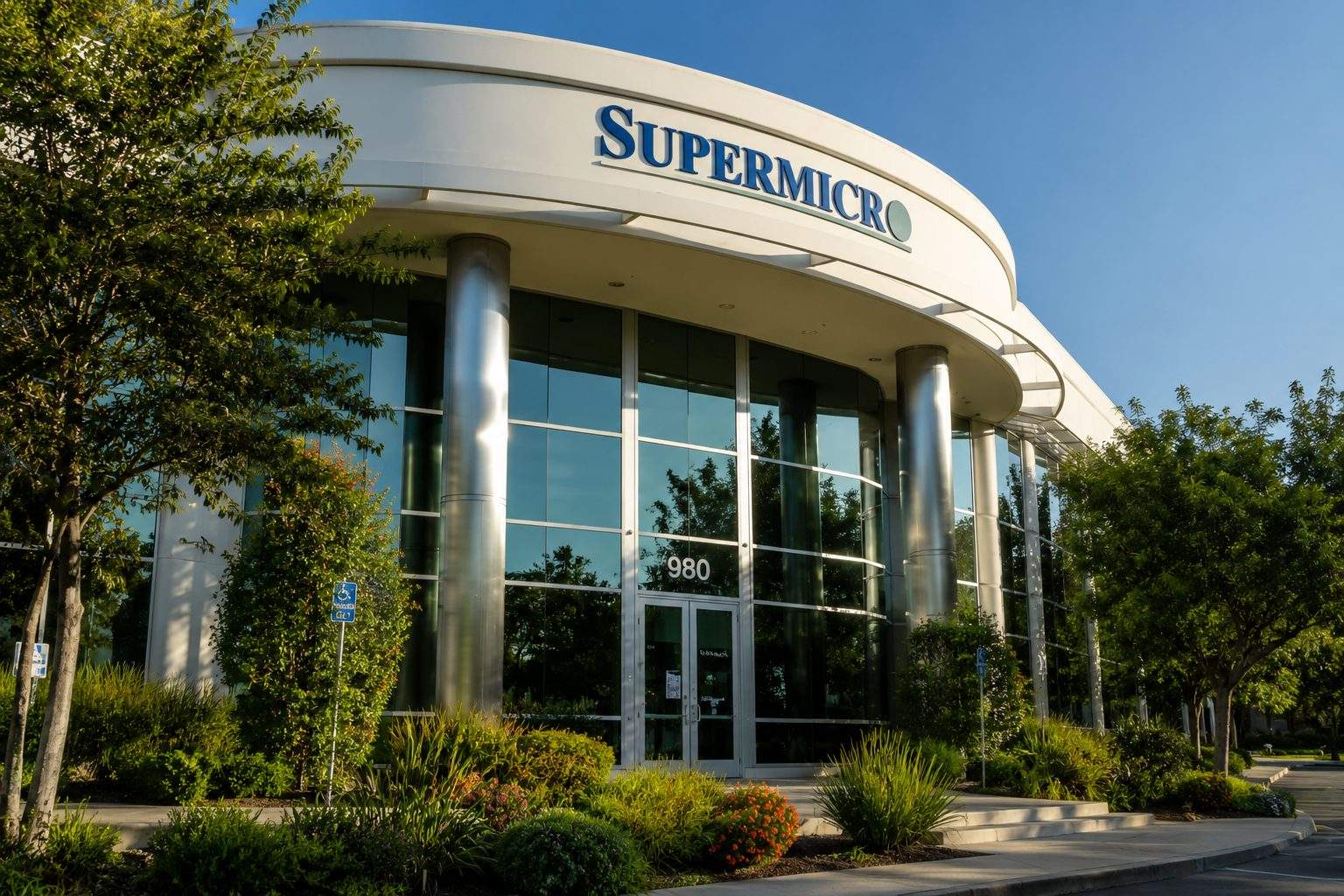
Super Micro Computer is back up Friday, jumping roughly 6.3% to finish at $35.58. Traders stepped back in despite Taiwanese prosecutors launching another probe into suspected illegal exports of the company’s advanced servers. SMCI opened at $33.80, hit a high of $35.94 and changed hands about 39 million times, according to market data.
Super Micro has become a key player in the AI hardware space. AI servers, which include chips, memory, networking and cooling for advanced model training, are still seen as a top way to play the big spending among cloud providers and AI developers.
Nvidia pushed the trade higher this week after it projected second-quarter revenue of $91 billion, topping Wall Street forecasts. The company reported data-center revenue of $75.2 billion for the quarter, keeping the focus on strong demand for AI infrastructure.
U.S. stocks climbed on Friday, as the Dow Jones Industrial Average closed at a record and the S&P 500 locked in its eighth weekly win in a row. The market got a boost from strength across the board ahead of Memorial Day weekend.
Super Micro’s day wasn’t trouble-free. Taiwanese prosecutors said Thursday they are looking into three people accused of exporting Super Micro AI servers with Nvidia chips to China, Hong Kong and Macau, using false documents. U.S. rules prohibit such sales. Reuters said Super Micro and Nvidia didn’t respond to requests for comment. Both companies have said they follow export laws.
The case comes after U.S. Justice Department charges in March accused three people tied to Super Micro, including one co-founder, of trying to smuggle at least $2.5 billion in American AI tech to China. Prosecutors did not charge Super Micro, and the company said it worked with investigators.
Investors looked at demand. Super Micro forecast fourth-quarter revenue in a range of $11 billion to $12.5 billion this month, and sees fiscal 2026 revenue hitting $38.9 billion to $40.4 billion. That follows third-quarter net sales of $10.2 billion and net income of $483 million. CEO Charles Liang said the company is “accelerating” its shift to a full data-center infrastructure business. SEC
Liang said Super Micro’s sites in Taiwan, Malaysia and the Netherlands are “ramping up aggressively.” CFO David Weigand told analysts on the post-earnings call there’s been “no change in allocations” from suppliers like Nvidia, AMD and Intel, Reuters reported. Reuters
Dell Technologies jumped 16.8% to hit a record finish Friday, as analysts flagged strong AI infrastructure demand driving into its May 28 earnings. That put renewed attention on server stocks, including Super Micro, which looked less like an outlier and more like another name riding Nvidia demand.
Carol Schleif, chief market strategist at BMO Private Wealth, summed up sentiment earlier this week as chip stocks jumped before Nvidia reported: “Technology is driving the bus again today, and the AI theme.” But after Nvidia’s report, eMarketer analyst Jacob Bourne asked the tougher question, wondering if the AI buildout has “durability into 2027 and 2028.” Reuters
But the stock isn’t a sure thing. Super Micro, in its earnings release, said an independent board review of export-control issues could impact forecasts, early results and past numbers. The company also flagged bigger customers, thinner margins, tariffs and choppier sales as risks. That’s the bear setup: demand holds up, but problems with compliance, margins or customer order timing stall the rebound.
Markets in the U.S. are shut Monday for Memorial Day. Investors will have to wait until Tuesday to see if AI-server demand can keep moving ahead of the legal issues hanging over Super Micro.
Related articles: NASDAQ:SMCI