WASHINGTON, Jan 25, 2026, 05:44 (EST)
U.S. grid operators on Saturday stepped up precautions to avoid rotating outages as frigid weather strained power systems, pushing spot wholesale prices on the PJM Interconnection above $3,000 per megawatt hour, a standard unit for electricity. PJM, which serves 67 million people in 13 states and Washington, D.C., raised its forecast for Tuesday to 147.2 gigawatts, an all-time winter high. Dominion Energy, whose Virginia territory hosts a major concentration of data centers, said ice could become one of the largest winter events to hit its operations. Reuters
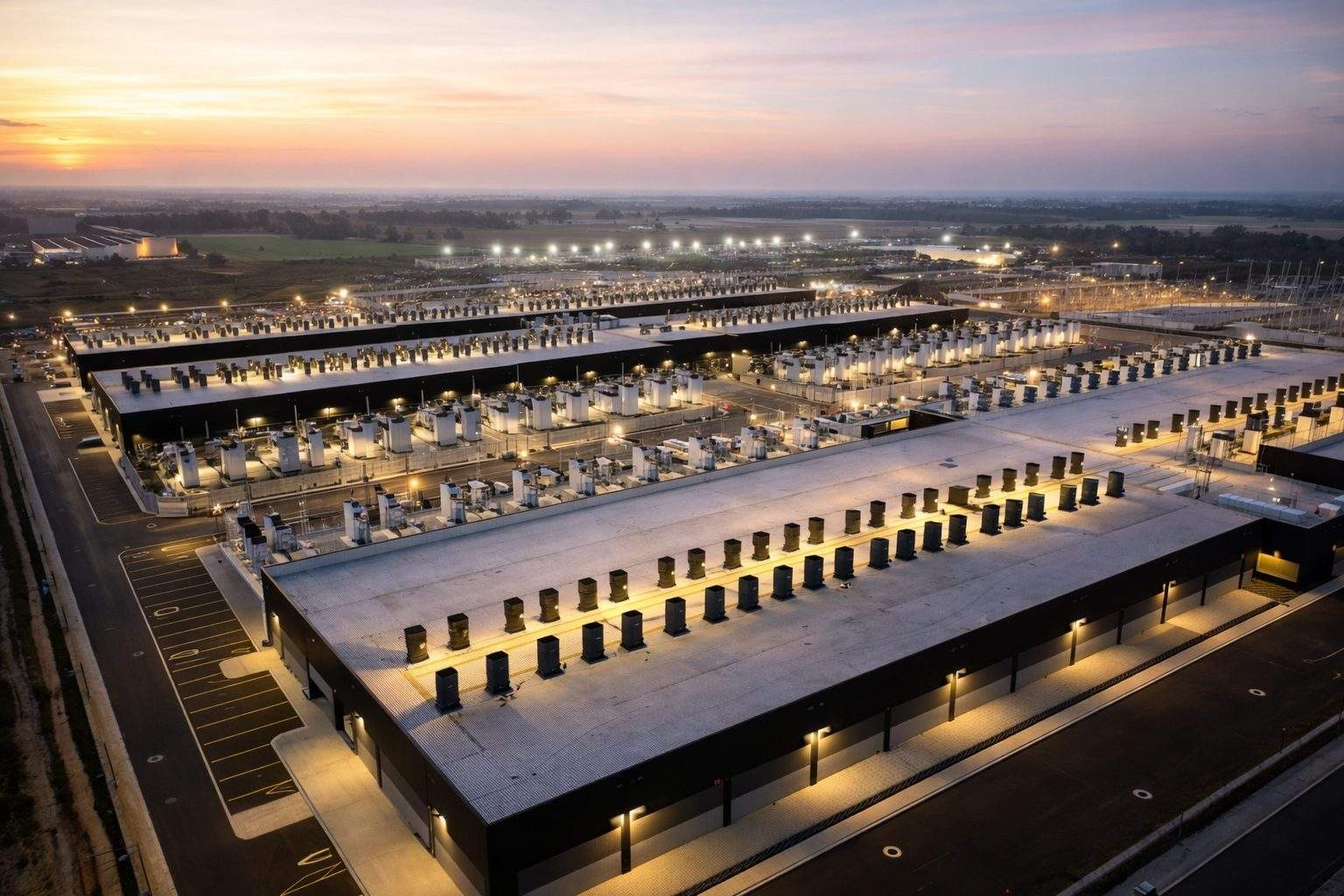
The cold snap lands as utilities and regulators try to adjust to around-the-clock demand from AI data centers, a type of load that does not fall much at night or in winter. Philip Krein, a power-grid expert at the University of Illinois Urbana-Champaign, said the narrowing gap between winter and summer peaks is squeezing maintenance windows for power plants. “The maintenance season is being squeezed like never before,” Krein said. Reuters
The Trump administration has also urged grid operators to treat data centers as part of the emergency toolkit. Energy Secretary Chris Wright asked operators to be ready to make backup generation at data centers and other major facilities available during the storm, Reuters reported, and the Department of Energy put unused backup generation at more than 35 gigawatts nationwide. Reuters
Democratic senators Elizabeth Warren, Chris Van Hollen and Richard Blumenthal said this week that Big Tech’s pledges to pay a “fair share” still do not spell out how households avoid footing the bill for grid upgrades. Warren said companies should be “more transparent … instead of forcing local communities to sign NDAs,” referring to nondisclosure agreements. warren.senate.gov
Google, responding to the senators, pointed to “demand response” — programs that pay large customers to cut electricity use during peak periods — and said its data centers are designed to be first to “power down” when utilities need relief. The company also said its sites have backup generators so they can operate independently if the grid goes down. warren.senate.gov
Inside PJM, the biggest U.S. grid, the board has moved toward a “reliability backstop” capacity procurement after its last capacity auction fell about 6.6 gigawatts short of its reliability target. Capacity auctions are where power plants and other resources get paid, years in advance, to be available when demand is highest; PJM’s board also pointed to extending a “price collar,” a floor and ceiling meant to cap auction prices and limit ratepayer shock. utilitydive.com
PJM told federal regulators it plans to review tariff language — the market rulebook — for an expedited interconnection track on Jan. 27 and file it around Jan. 30. It said the fast track, meant to speed up the process of connecting large new loads and related resources to the grid, could be in place by August 2026, subject to approval by the Federal Energy Regulatory Commission, which oversees interstate power markets.
PJM board chair David Mills cast the plan as a trade-off, not a ban. “This is ‘How can we do this while keeping the lights on and recognizing the impact on consumers at the same time?’” Mills said. PJM Inside Lines
Trump has tried to sharpen the message into politics, praising Microsoft after it agreed to pay more for its data centers and warning that big technology companies must “pay their own way” on power. He has said he does not want Americans paying higher electricity bills because of data centers. The Guardian
OpenAI, a Microsoft-backed AI developer, last week rolled out what it called a “Stargate Community plan” to “pay its way on energy,” saying each site would lay out a local approach that could include funding dedicated power and storage or paying for new generation and transmission. OpenAI linked the plan to Stargate, a $500 billion initiative to build AI data centers, according to Reuters. Reuters
Lawmakers say the details are still thin. The senators’ probe covers companies including Google, Amazon and Microsoft, along with data center developers and operators, and Blumenthal said the responses did little to assure families they would be insulated from higher utility bills. Axios
But the squeeze is not just about who pays. New power plants and transmission lines take years, and the stopgap tools — curtailment rules that force large users to cut demand, special rate classes, or running backup generators — bring their own costs and fights, including local air-pollution concerns and questions about how reliably those resources can be tapped in a crunch.