
CAPE CANAVERAL, Florida, Jan 7, 2026, 21:04 EST
- SpaceX is targeting a Jan. 10 launch of 29 Starlink satellites from Cape Canaveral.
- A second Starlink mission is scheduled for Jan. 8, setting up a quick turnaround from the same Florida range.
- The company has flagged a broader push to improve space safety as its constellation grows.
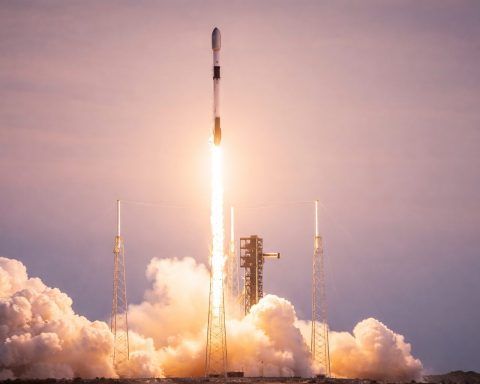
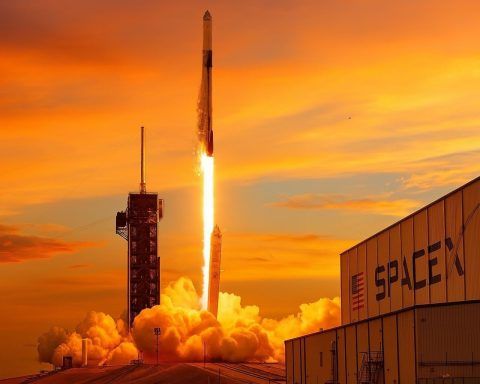
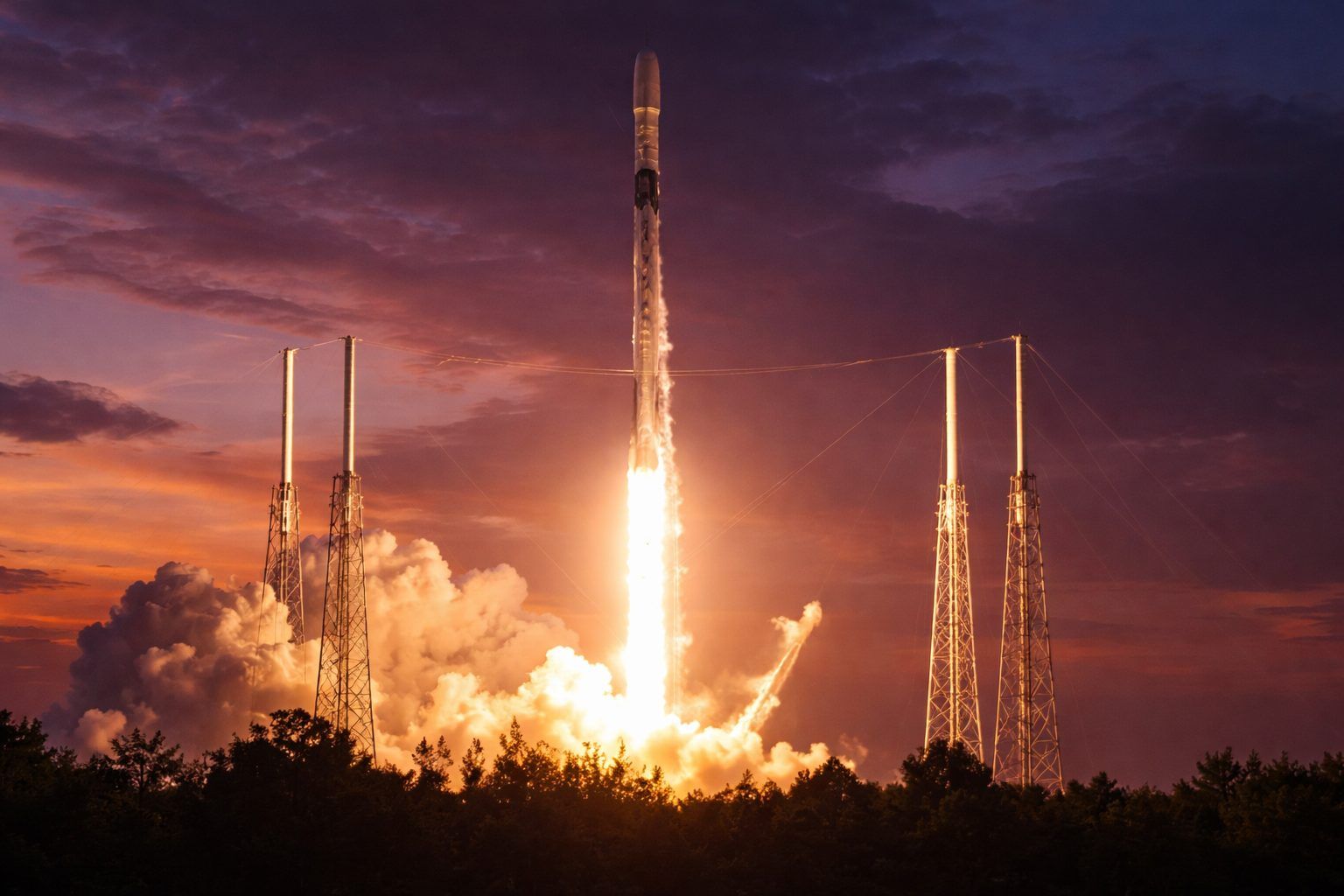
SpaceX is set to launch another 29 Starlink internet satellites from Cape Canaveral on Saturday, with liftoff listed for 1:34 p.m. local time.
The mission lands as SpaceX tries to keep expanding Starlink while addressing growing concerns about traffic in low Earth orbit — the band of space a few hundred miles above Earth where most broadband constellations operate. “Lowering the satellites results in condensing Starlink orbits, and will increase space safety in several ways,” Michael Nicolls, SpaceX’s vice president of Starlink engineering, wrote, citing lower debris levels below 500 km. Reuters
Space Launch Now also lists another Starlink flight, Group 6-96, due on Thursday, two days before the 6-97 mission. If both fly on schedule, SpaceX would add 58 satellites in three days from the Cape Canaveral area.
Launch trackers list Starlink Group 6-97 as a Falcon 9 mission from Space Launch Complex 40 with a four-hour window opening at 18:34 GMT, using a flight-proven booster and aiming for a droneship landing downrange.
The Jan. 10 flight would follow SpaceX’s first Starlink batch of 2026, which lifted off on Jan. 4 and deployed 29 satellites after launch from the same Florida complex, Space.com reported.
Starlink is not alone in the race to build low-orbit broadband networks. Amazon has FCC approval for a 3,236-satellite Kuiper constellation, while Eutelsat says its OneWeb fleet provides low-latency connectivity using a LEO constellation deployed “pole-to-pole.” FCC+1
The scale is already large. Data compiled by astronomer Jonathan McDowell showed 9,382 active Starlinks in orbit as of Jan. 2.
Still, the downside risks are familiar: weather, range constraints and last-minute technical holds can slip tight launch sequences. SpaceX has also pointed to the collision-and-debris problem it is trying to manage, after a recent satellite failure and a push to lower thousands of spacecraft into a less-crowded band of orbit, as the company and rivals add hardware.
For skywatchers, the deployments can have a more immediate effect. Newly launched Starlink satellites often show up as a bright “train” of lights before they spread out — a sight that can set off a round of UFO chatter online. Space
Related articles: Starlink