Tokyo, Jan 13, 2026, 15:11 JST
- Japan Airlines shares fell in Tokyo trade as investors reassessed outbound travel demand
- CEO says prices and the weak yen are “definitely involved” in young people staying home
- The carrier is leaning on youth-focused promotions and a tourism boom driven by inbound visitors
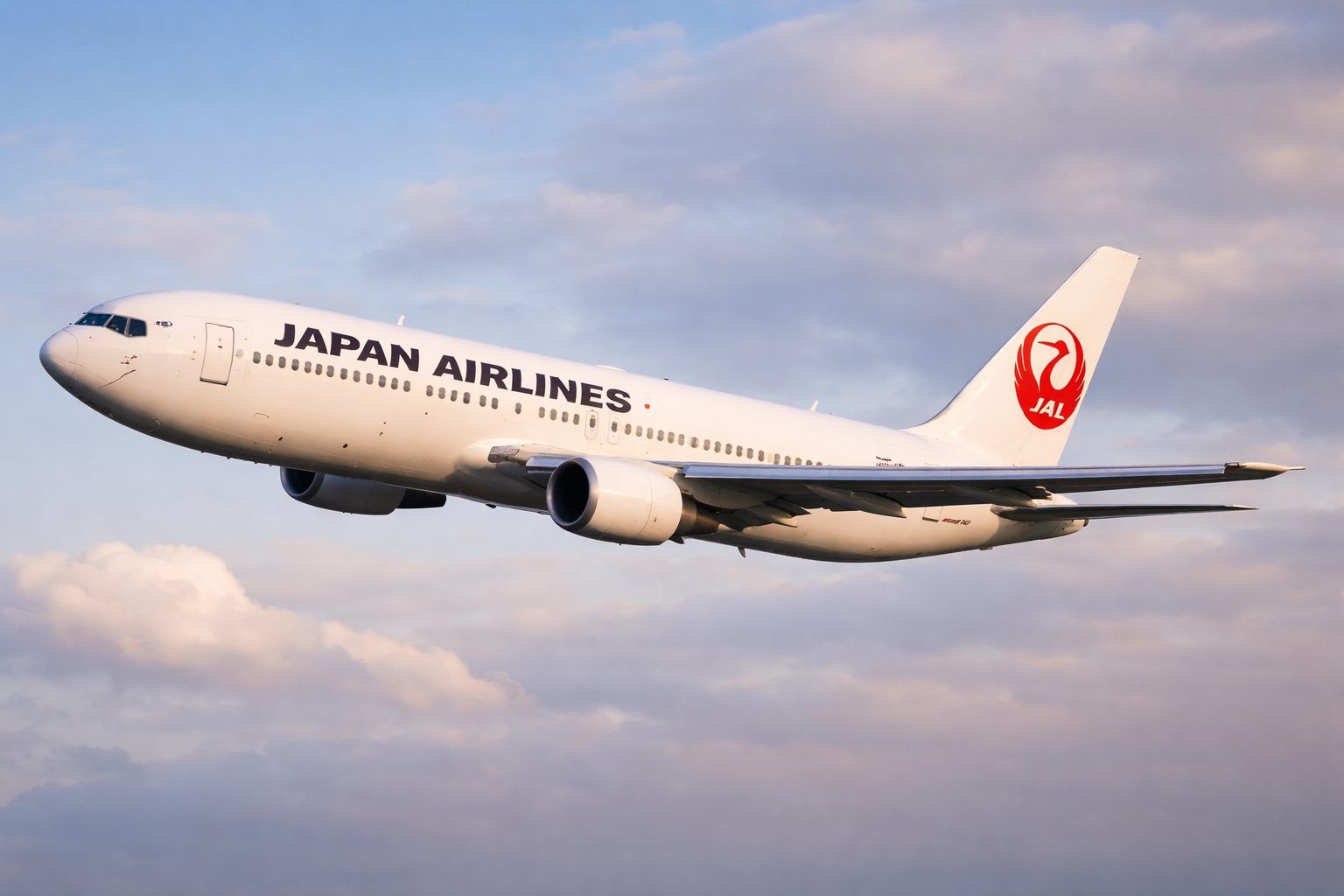
Japan Airlines (9201.T) shares were down 1.4% at 2,949 yen on Tuesday. Investors are watching whether demand for the carrier’s international network can keep rebuilding if fewer Japanese travelers head overseas.
The yen slid to 158.925 per dollar earlier on Tuesday, its weakest since July 2024, making foreign travel more expensive in yen terms. For airlines, the same move can also push up dollar-linked costs such as fuel and aircraft maintenance.
Travel industry reports this week have framed the drop in outbound travel — Japanese residents traveling abroad — as most visible among younger people who are choosing domestic trips instead. They pointed to the weak yen, rising overseas costs and high living expenses as reasons.
In a New Year interview with reporters on Jan. 6, JAL President Mitsuko Tottori said she wanted Japanese customers to travel overseas “from the bottom of my heart” and warned that if young people do not go abroad it would have “a huge impact” on Japan’s economic growth. She said “prices and the weak yen are definitely involved” and added the company was “praying” the currency would strengthen even a little. Tottori also said inbound demand remained firm and that domestic routes faced a structural squeeze because about 40% of related costs are denominated in foreign currencies. Aviation Wire
JAL has also tried to lower barriers for younger travelers with campaigns tied to travel and “experience inequality,” a phrase it used to describe how costs can limit mobility. In September 2024 it launched the “DREAM MILES PASS” initiative and rolled out a “DREAM SHO JET” aircraft featuring baseball star Shohei Ohtani as part of the campaign. JAL企業サイト
The airline has pushed discounted fares too. A 2025 company release said it introduced a domestic fare for JAL cardholders aged 25 and under, and ran a limited-time 4,950-yen price across routes around the launch.
The CEO’s comments have resurfaced in recent days on travel blogs, which also highlighted how the weak yen and higher costs in the United States and Europe have made overseas trips harder to justify for younger Japanese. One Mile at a Time described the trend as a long-term issue for the home market as the currency stays weak.
Aviation A2Z said the airline has pitched the shift as a structural challenge for long-term international growth, even as domestic tourism has absorbed some spending. The site also noted that inbound travel — foreign visitors coming to Japan — has benefited from favorable exchange rates.
Inbound tourism has been a bright spot for Japan’s travel economy. Foreign visitor spending hit records as arrivals surged in early 2025, helped by the weak yen, Reuters reported, providing a tailwind for airlines and hotels even while outbound travel by Japanese residents lagged.
But the currency cuts both ways. Japan’s finance minister said on Tuesday that she and U.S. Treasury Secretary Scott Bessent share concerns over the yen’s “one-sided depreciation,” a signal that policymakers are watching the slide closely. A sharper yen rebound could encourage outbound travel, while chipping away at the price advantage that has helped pack inbound flights. Reuters
Japan’s broader market rallied on Tuesday, with the Nikkei leaping 3.3% to record highs as the yen hit historic lows, underlining the uneven effects of a weaker currency across sectors. For airlines like JAL and rival ANA, the debate is still about demand mix — and how much of the “missing” outbound traveler comes back. Reuters