
New York, Jan 13, 2026, 07:00 EST — Premarket
- Brent and WTI rise in early trading, fueled by concerns over supply risks amid unrest in Iran.
- Exxon shares slipped in premarket trading amid ongoing political hurdles to Venezuela access.
- Wednesday brings U.S. inventory data for traders to digest.
Oil prices climbed early Tuesday, with Brent futures rising $1.06, or 1.7%, to $64.93 a barrel. U.S. West Texas Intermediate gained $1.02, also 1.7%, reaching $60.52, close to their strongest points since mid-November. Barclays estimated the geopolitical “risk premium”—the extra cost traders factor in for possible supply disruptions—at around $3-$4 a barrel. Brent’s premium over Dubai, a key Middle East benchmark, also stretched to its widest since July, according to LSEG data. John Evans, analyst at PVM Oil Associates, noted, “The oil market is building in some price protection against geopolitical drivers.” Reuters
This shift is significant because it challenges the market’s baseline outlook for 2026, which expects plenty of supply and growing inventories. Goldman Sachs maintained its 2026 price forecasts at $56 a barrel for Brent and $52 for WTI, cautioning that rising global stockpiles could create a surplus of 2.3 million barrels per day. That glut might force prices down to restore balance between supply and demand.
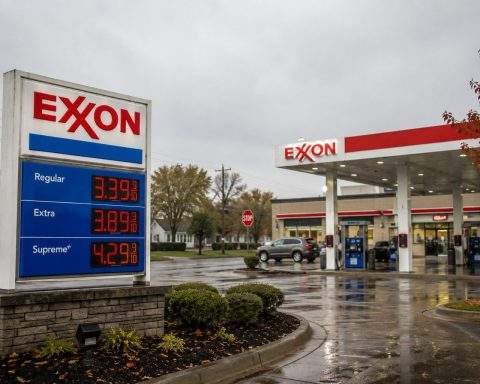
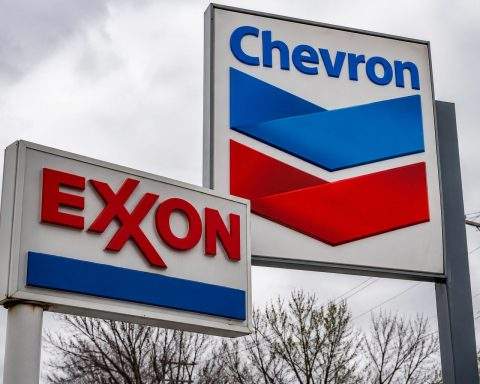
Oil-linked stocks showed mixed moves in U.S. premarket action. Exxon Mobil slipped 0.5% to $124.03, while Chevron edged up 0.2% to $162.34. ConocoPhillips took a bigger hit, falling 2.1% to $95.50. Despite President Donald Trump suggesting Exxon might be excluded, a source close to the company said Exxon still plans to evaluate Venezuela’s oil sector and could send a technical team there within weeks. American Petroleum Institute President Mike Sommers noted the “huge” asset base in Venezuela but highlighted concerns over debts and contract security. Reuters
When it comes to Venezuela, trading houses have taken the lead, not the U.S. oil majors. Vitol and Trafigura landed preliminary special licenses to negotiate and export Venezuelan crude. Trafigura CEO Richard Holtum told Reuters their first cargo should load this week. Meanwhile, at the same White House meeting, Conoco CEO Ryan Lance revealed his company is owed roughly $12 billion in compensation for past expropriations. Washington and Caracas are also close to a $2 billion deal to sell up to 50 million barrels of crude to U.S. refiners and others.
Building on a strong finish yesterday, Brent climbed 0.8% to close at $63.87 a barrel, while WTI added 0.6% to reach $59.50. Data from Kpler and Vortexa, cited by Reuters, revealed Iran now has a record volume of “oil on the water”—crude stored in tankers—amounting to roughly 50 days of output.
Bulls face the danger that geopolitics may lose steam before markets adjust. If Iran tensions ease or Venezuelan oil flows resume more smoothly than expected, the risk premium baked into the front end of the curve could shrink quickly.
Up next is the inventories data. The U.S. Energy Information Administration plans to release its Weekly Petroleum Status Report on Wednesday, Jan. 14, at 10:30 a.m. Eastern as usual.
In the meantime, crude traders are focused on two factors missing from the weekly inventory report: if Washington will turn its Iran policy into concrete trade restrictions, and when the pledged Venezuelan barrels will actually hit the market in volume.
Related articles: NYSE:CVX