
HONG KONG, Jan 14, 2026, 15:40 (HKT)
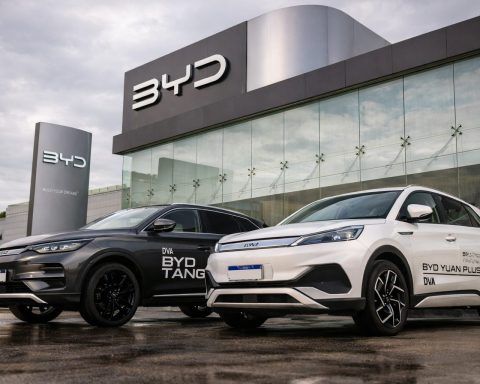
Shares of Chinese electric-vehicle makers rose in Tuesday trading after the European Commission mapped out a route that could let exporters swap EU tariffs for minimum price commitments. BYD climbed as much as 4.8% in Hong Kong, Xpeng gained 5.3% and SAIC Motor’s Shanghai-listed shares rose as much as 3.6%.
The rally comes as Brussels tries to contain a trade fight that has become a sore point with Beijing and a pressure point for carmakers selling into Europe. The Commission finalised an anti-subsidy probe in October 2024 and imposed definitive countervailing duties — extra import charges meant to offset subsidies — ranging from 7.8% to 35.3% on battery-electric vehicles from China.
A minimum-price deal would let exporters replace the duty with a “price undertaking” — a promise to sell each model above a floor price — rather than paying the tariff at the border. Traders see it as a direct read on whether Chinese brands can protect margins in Europe without surrendering too much of their price edge.
The Commission said on Monday that any minimum-price offer must remove the harmful effects of subsidies, have an effect equivalent to the duties and be workable, while minimising “cross-compensation.” It said offers should set prices for each EV model and configuration, based on the sales price to the first independent consumer in the EU, and it would also take Chinese EV investment in the bloc into account. It warned the cross-compensation risk rises for groups that also export hybrids, noting Chinese hybrid import volumes into the EU were five times higher in the first three quarters of 2025 than a year earlier; Beijing’s commerce ministry welcomed the guidance and said differences could be settled through dialogue. Reuters
European Commission spokesperson Olof Gill said, “If those conditions are met, then we can look at price undertakings in a serious way.” The EU is also reviewing whether a price-and-quota offer linked to Volkswagen’s China operations could replace tariffs on China-built EVs, while ING economist Rico Luman said minimum prices offer Chinese brands “comfort to continue their exports long term.” AP News
Macquarie Capital’s Eugene Hsiao said, “Overall, this should be positive for developing better ties between the EU and Chinese automakers.” Morgan Stanley analysts said they read the framework as constructive for Chinese EV sales expansion in Europe, and estimated China shipped 579,000 battery EVs to Europe in the first 11 months of 2025, with an average price around 25,000 euros, below the roughly 30,000-euro average for battery-EV imports. The Business Times
Nio, which is pushing into Europe, said on Tuesday it would continue to advance its business operations there. “We are pleased to see China and the EU making steady progress toward consensus on the basis of mutual respect,” the company said. Reuters
But the bar is high, and the Commission’s model-by-model demands leave little room for a broad, one-size-fits-all floor price. If talks bog down — or if Brussels rejects offers over cross-compensation concerns — the existing duties remain the default.
For now, the policy signal is doing the work in markets: anything that looks like a softer landing on tariffs can lift exporters’ share prices, even before the numbers on any minimum-price deal are on the table.
Related articles: HKG:1211