
New York, January 16, 2026, 11:13 ET — During the regular session
- Ford shares dropped amid reports that the company is negotiating with China’s BYD over hybrid-vehicle batteries.
- White House trade adviser Peter Navarro publicly slammed the report, underscoring the political risks tied to supply chains connected to China.
- Ford’s February 10 earnings report is under close scrutiny for insights on costs, hybrids, and capital expenditure.
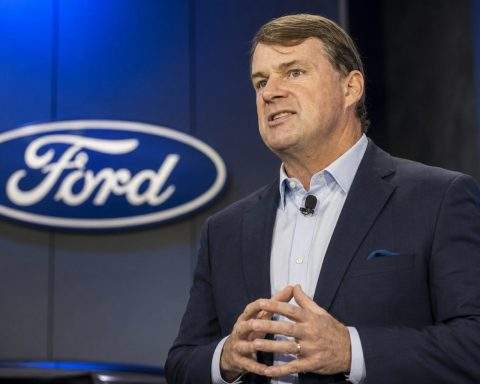
Ford Motor shares slipped about 0.9% to $13.68 on Friday following a report that the automaker is in talks with China’s BYD over a battery supply deal for certain hybrid models.
The chatter matters now because Ford is pushing harder into hybrids — gas-electric models — to protect margins amid a slowdown in full electric adoption. Batteries remain a major expense even for hybrids, and securing supply deals could heavily influence pricing and production strategies.
This comes at a sensitive time for manufacturers operating internationally. Any shift suggesting greater dependence on Chinese tech risks sparking political backlash quickly, even when those components never enter the U.S. market.
The Wall Street Journal reported that Ford and BYD are still ironing out details on how their potential deal might work, with one possibility being BYD batteries for markets outside the U.S. Ford commented, “We talk to lots of companies about many things.” BYD has yet to respond to a request for comment. https://finance.yahoo.com/news/ford-byd-discuss-hybrid-battery-111733766.html
White House trade adviser Peter Navarro took to X to slam the proposal, cautioning it might leave Ford “more vulnerable” to supply-chain pressures. He closed with a pointed, “What could go wrong here?” This incident highlights how sourcing choices are turning into political battlegrounds, not merely procurement decisions.
Ford is emphasizing its tightly connected North American operations amid rising trade tensions. CEO Jim Farley stressed this week that Canada, Mexico, and the U.S. function as “an integrated manufacturing system,” calling a trade deal across the region “very critical for us.” https://www.reuters.com/business/autos-transportation/ford-ceo-says-trade-deal-with-mexico-canada-is-critical-industry-2026-01-14/
Ford is facing ongoing safety challenges that could pressure investor sentiment, separate from supply-chain issues. The automaker has recalled 6,819 units of its 2026 F-250 and F-350 Super Duty trucks due to potential fractures in the right rear axle shafts, according to recall documents cited by Kelley Blue Book.
BYD isn’t merely a potential supplier; it stands as a giant in China’s electric and battery scene and a mounting challenge for traditional automakers aiming to trim expenses. For Ford, partnering with BYD means scrutiny beyond a routine vendor change.
Investors want to see if Ford’s hybrid strategy can deliver cleaner profits and more reliable cash flow, all while avoiding geopolitical pitfalls. Even the idea of a battery plan focused solely overseas raises concerns about technology transfer and tariff impacts.
Ford’s quarterly results land on February 10, post-close. Investors will be keen on how management addresses hybrid demand, battery sourcing, and their 2026 capital allocation strategy.
The risk scenario is straightforward: talks with BYD stall, Washington ramps up pressure, or costs surge beyond what Ford can counter with pricing and product mix. Even a whiff of shaky supply plans could rattle traders, especially with earnings on the horizon.
Related articles: NYSE:F