
NEW YORK, February 28, 2026, 05:45 EST — Market closed.
- U.S. and Israeli forces struck Iran on Saturday, putting energy supply risks and defense budgets back in the spotlight.
- Oil climbed Friday, lifted by U.S.-Iran tensions. Defense contractors and major oil names finished in the green, while the main U.S. indexes slipped.
- OPEC+ gathers Sunday, with traders sizing up whether producers will step in to counter potential disruption.
The U.S. and Israel carried out a “pre-emptive” strike on Iran on Saturday, jolting markets and pulling oil producers, defense contractors, and some shipping stocks into focus ahead of Monday’s U.S. session. Reuters
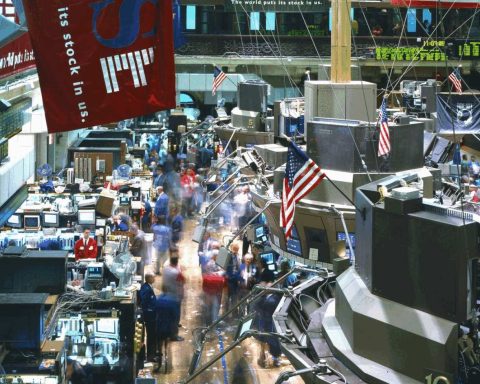
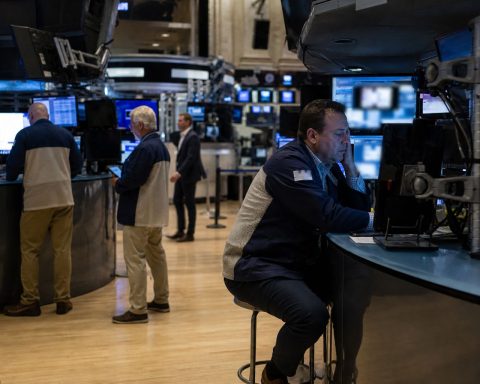
Wall Street’s weekend pause leaves Friday’s finish as the latest snapshot: oil surged, stocks edged lower, and traders braced for fresh turbulence tied to Middle East risks and possible disruptions to crude supply. Brent crude ended the session up 2.45% at $72.48 a barrel. The S&P 500 dropped 0.43%.
There’s a date circled now: eight top OPEC+ producers convene Sunday at 1100 GMT. Two sources with knowledge of the talks say a bigger supply boost could land on the table, a direct response to the heightened risk of outages after the Iran strike.
Shares of Lockheed Martin jumped 2.56% to close at $658.08 on Friday. RTX was up 2.52% at $202.62, with Northrop Grumman not far behind, adding 1.90% to finish at $724.38. All three names outperformed the broader market’s slide.
Energy names moved up with crude. Exxon Mobil tacked on 2.67% to finish at $152.50, while Chevron advanced 1.41% to $186.76. Occidental Petroleum wrapped up the session at $53.08, up 3.21%.
Here’s the dynamic: Iran produces close to 3.3 million barrels of crude daily, with the bulk of those shipments leaving through Kharg Island before heading out via the Strait of Hormuz. That tight waterway draws intense scrutiny from traders whenever regional tensions flare.
Oil’s climb owes plenty to “risk premium”—that extra money tacked on by buyers wary of disruptions. Norbert Rucker, who leads economics & next generation research at Julius Baer, calls oil “bloated with a decent geopolitical risk premium.” Over at Hamburg Commercial Bank, chief economist Cyrus De La Rubia singles out China’s recent stockpiling as another force shifting balances. Reuters
Barclays is out saying Brent might push up to $80 a barrel with any significant supply hit. Still, the bank adds, if outages don’t actually happen and risk premiums slip, those gains could just as quickly reverse.
Tanker operators stand to gain when shipping takes riskier or more expensive routes, and some investors are eyeing those names. On Friday, Frontline announced it’s selling eight older VLCCs for $831.5 million while snapping up nine scrubber-fitted VLCC newbuilds for $1.224 billion. The company also declared a $1.03 per share dividend for the quarter, according to its filing.
Frontline posted a fourth-quarter net profit of $227.9 million. CEO Lars Barstad pointed to “strong sequential improvement” and a solid liquidity position as evidence of the company’s resilience, based on a summary of results and the earnings call. Investing.com
The flip side: should crude prices stay hot but diplomatic talks pick up speed, that bullish oil trade could quickly lose steam. Oman’s foreign ministry described the most recent U.S.-Iran nuclear negotiations as having made “significant progress,” adding that technical talks are slated for Vienna next week. fm.gov.om
Looking to the coming week, all eyes are on Iran’s next move and any possible new barriers to Middle East shipping. But before any of that, OPEC+ meets Sunday. The group’s decision could send an early signal for oil and energy stocks ahead of cash equity trading on Monday, March 2.
Related articles: NYSE:CVX