
DUBAI, Feb 28, 2026, 15:06 (GST)
On Saturday, airlines scrapped and diverted flights bound for the Middle East after U.S. and Israeli strikes on Iran led to widespread airspace shutdowns in the area. Carriers were forced to avoid Iranian territory and routes through nearby countries. Flight-tracking maps showed an unusual pattern: traffic that would typically fill major corridors instead thinned out sharply over Iran as restrictions tightened.
The ripple effects stretch far outside the Gulf. Aircraft crossing between Europe and Asia rely on this key corridor; reroutes mean extra fuel burned and longer journeys, regardless of whether Middle Eastern airports are part of the plan. In an online update, Qatar Airways flagged that “once usual operations resume, we anticipate delays to our flight schedule.” Business Insider
Flightradar24 flagged that multiple countries had closed off their airspace, creating what it called a shifting patchwork of flight restrictions. According to NOTAMs and updates to FIRs—those are the air traffic control designations for flight information regions—closures and tighter controls have now taken hold across much of the Gulf. “The Emirates FIR technically remains open at this time — but no commercial aircraft is currently departing from or arriving at airports in the sector,” Ian Petchenik, Flightradar24’s director of communications, said. Flightradar24
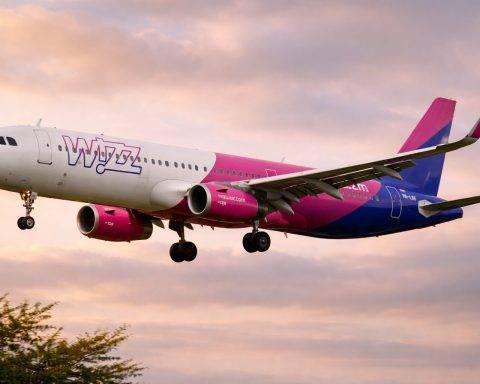
Lufthansa was quick to pull flights to and from Dubai over the weekend, also suspending service on routes like Tel Aviv and Beirut. Wizz Air, for its part, grounded connections touching Israel, the UAE, and Jordan until March 7. Japan Airlines axed its Tokyo-Doha route. A Warsaw-to-Dubai flight operated by LOT Polish Airlines ended up turning around mid-flight, Reuters reported in its airline roundup.
Turkish Airlines has expanded flight cancellations as new restrictions kick in, grounding routes to Lebanon, Syria, Iraq, Iran, and Jordan through March 2. Saturday flights to Qatar, Kuwait, Bahrain, the United Arab Emirates, and Oman have also been dropped, according to Anadolu Agency. Yahya Ustun, the airline’s senior vice president for communications, said the company is watching airspace updates “in real time,” and warned that more cancellations may be on the table. Anadolu Ajansı
Russia scaled back flights too. The transport ministry said Russian airlines halted trips to Iran and Israel, and officials were looking at different routes for flights bound for the Persian Gulf—though those journeys will take more time. Rosaviatsiya flagged rerouting after Bahrain, Iraq, Qatar, and Kuwait closed their airspace, and temporary flight limits turned up in the UAE.
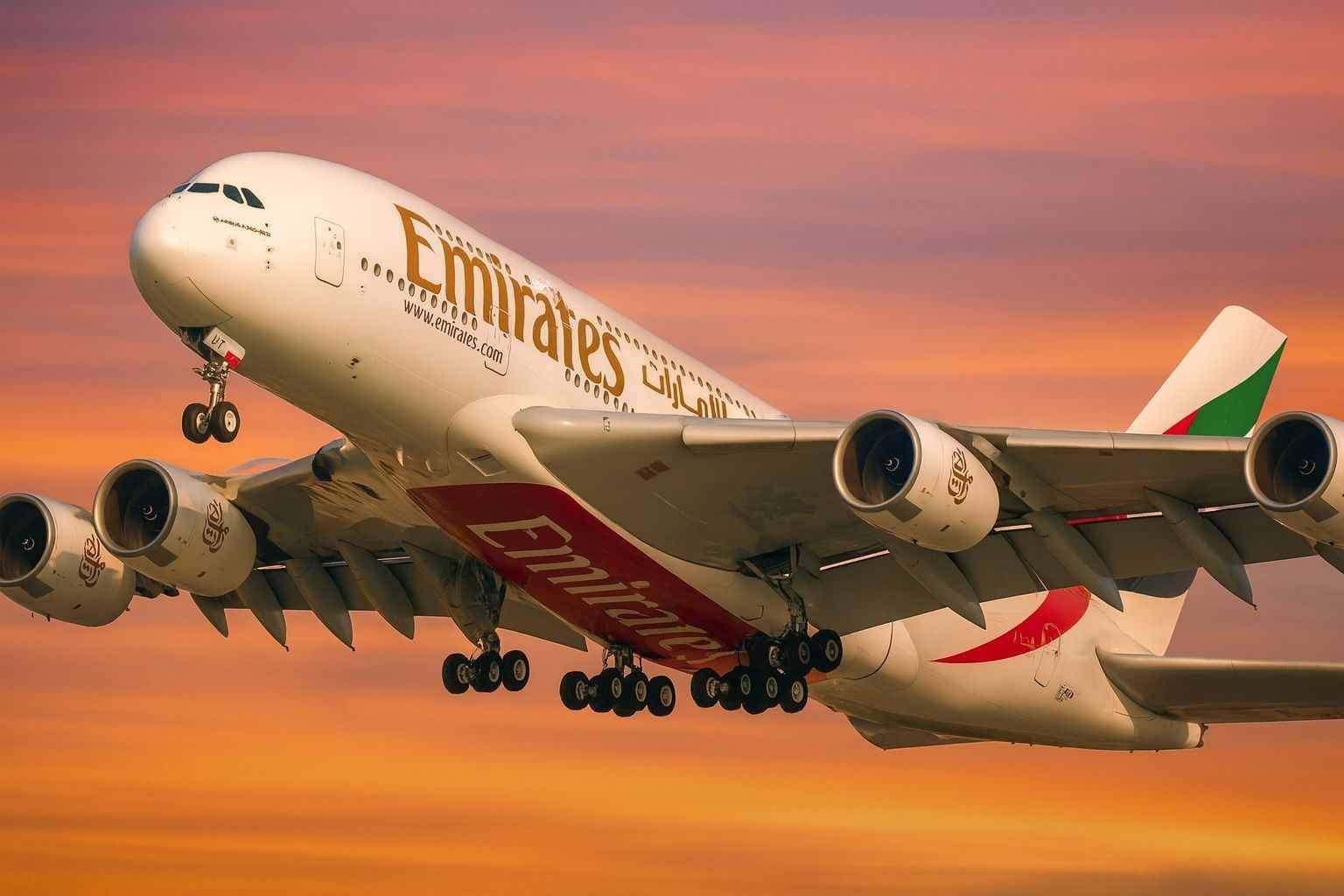
Disruption hit the Gulf’s major hubs. According to the Associated Press, airspace closures by the United Arab Emirates, Israel, and Qatar impacted Emirates and Etihad. Qatar Airways pulled its flights to and from Doha. Flights bound for Israel were rerouted, and planes already at Ben Gurion International Airport were ordered back, AP reported.
Several airlines have already extended cancellations into early March while they assess routing alternatives. British Airways opted “to cancel our flights to Tel Aviv and Bahrain up to and including 03 March,” the carrier said. Emirates, for its part, pointed to regional airspace closures creating disruptions for a number of its flights, Bloomberg reported, as cited by the Boston Globe. BostonGlobe.com
Flight disruption quickly intensified after events on the ground escalated. Israel launched what it described as a pre-emptive strike against Iran and closed its skies to civilian traffic, with airport authorities urging people to stay away from terminals. “The State of Israel launched a pre-emptive attack against Iran to remove threats to the State of Israel,” Defence Minister Israel Katz said. Reuters
Still, a fast resumption of normal operations looks doubtful. EASA, the European aviation safety body, put out a conflict-zone warning that stretches over all altitudes in airspace above Bahrain, Iran, Iraq, Israel, Jordan, Kuwait, Lebanon, Oman, Qatar, the UAE, and part of Saudi Arabia. The agency flagged “a high risk to civil aviation in the affected airspace,” telling operators to avoid those areas. The notice is set to last until March 2, unless EASA updates it sooner. EASA
Iran’s state-run news agency hinted the disruptions might be brief, but could last longer if needed. According to The Washington Post, IRNA reported Iran planned a six-hour closure of its airspace, referencing a NOTAM. Airlines were left to decide whether to bring back suspended routes or stick with their current detours.
Related articles: LSE:WIZZ