
London, March 2, 2026, 06:51 GMT
- Brent jumped more than 6% as Middle East conflict raised supply fears; FTSE futures slipped ahead of the London open
- The FTSE 100 ended February at a record close, extending its longest monthly winning streak in more than a decade
- Investors have been rotating into miners and “heavy-asset” stocks, but higher energy prices could test rate-cut bets
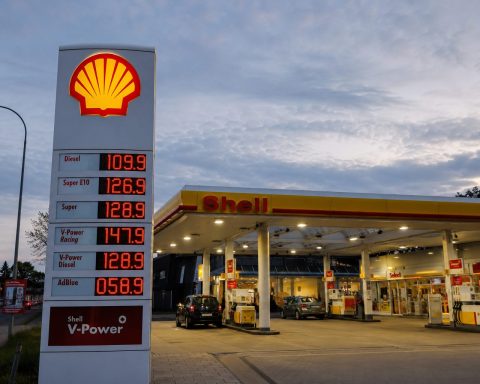
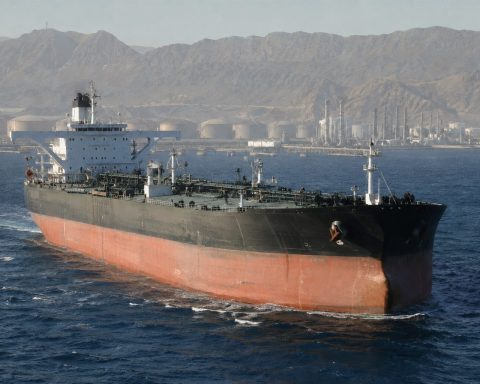
Oil prices surged and stock futures slid on Monday as U.S. and Israeli strikes on Iran kept markets focused on Middle East supply risks. Brent crude was up 6.4% at $77.57 a barrel, while FTSE futures fell 0.6%; EuroSTOXX 50 and DAX futures also dropped. Rystad Energy’s Jorge Leon flagged an “effective halt” in Hormuz traffic, and Wood Mackenzie’s Alan Gelder pointed to the “nearest historical analogue” of the 1970s oil embargo. Reuters
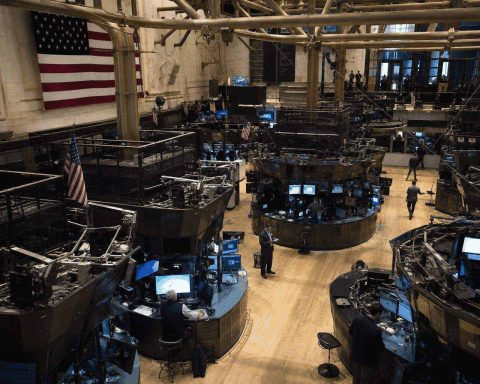
Britain’s FTSE 100, a gauge of the biggest companies listed in London, ended Friday at 10,910.55 for a third straight record close. It rose 6.7% in February, its eighth monthly climb in a row, as miners and other defensive names outpaced banks and domestically focused shares. Barclays fell on worries over its exposure to collapsed mortgage lender Market Financial Solutions, a reminder that credit headlines can still cut through the rally.
That run has been tied to a broader rotation into so-called “Halo” stocks — Goldman Sachs’ term for “heavy assets, low obsolescence” firms investors see as less exposed to an AI shake-up. “You still need this on Monday morning,” said Saxo strategist Ruben Dalfovo, arguing money is moving toward infrastructure and utilities as investors tire of paying for growth. Swissquote analyst Ipek Ozkardeskaya said the FTSE 100 looked “well positioned” for those inflows, with energy and mining names doing much of the lifting. The Guardian
London Stock Exchange Group gave the market another push after announcing its biggest-ever buyback of £3 billion, with its shares ending that day up more than 9%. “We were definitely keen for them to do a chunky buyback,” said Ninety One analyst Frederick Kerr-Smiley, while Blue Whale’s Stephen Yiu warned “the clock is ticking” on growth as activist Elliott presses for sharper execution. CEO David Schwimmer said it was “verging on impossible” for AI to replicate LSEG’s proprietary datasets, pointing to deals with OpenAI and Anthropic. Reuters
Rolls-Royce also helped set the tone, after reporting a 40% jump in annual profit and unveiling a £7 billion-£9 billion share buyback for 2026-2028 on top of its dividend. Shares rose about 6% to a record 1,383 pence as the company lifted forecasts and talked up demand linked to airline flying hours and data-centre power needs. CEO Tufan Erginbilgic said government support for further development of its UltraFan engine was “natural” as Rolls looks again at narrow-body aircraft engines. Reuters
Earlier in the week, HSBC surged 7.9% after raising a profitability target, with AJ Bell’s Russ Mould saying the bank’s slimmer, wealth-focused approach “appears to be working.” Miners rallied as copper and gold climbed, and traders took comfort from signs that businesses were adapting to AI after startup Anthropic partnered with other firms to develop new plug-ins. Diageo sank after a profit warning and dividend cut, while Aston Martin said it would cut up to 20% of its workforce ahead of a budget update from finance minister Rachel Reeves on Tuesday. Reuters
The Times reported the FTSE 100’s February advance was its biggest monthly gain in more than three years, taking the index past 10,900 for the first time and leaving it up 9.86% for the year so far. It cited mining and defence as key drivers and pointed to deal talk and buybacks — including Schroders’ jump after Nuveen’s £9.9 billion approach — as fuel for the month’s run.
But the market’s new problem is simple and old-fashioned: energy prices. If crude stays high, investors will have to weigh the lift to oil and mining shares against the risk of stickier inflation, tighter financial conditions and pressure on fuel-hungry sectors.
The FTSE 100 has been good at shrugging off bad headlines for months. Monday’s open will show whether that streak can survive a jump in oil and the kind of geopolitics that doesn’t care about valuations.